
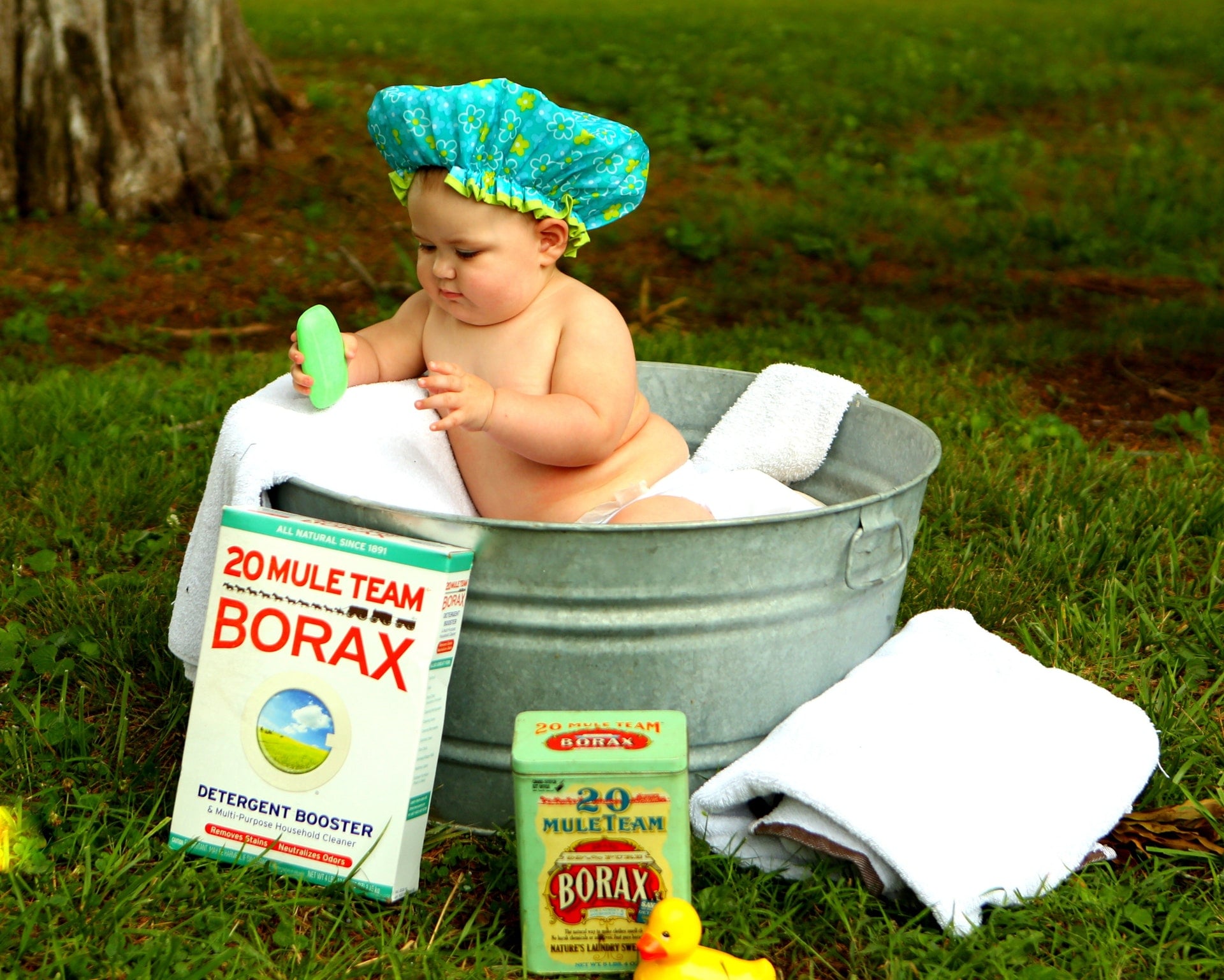
In Traditional Chinese Medicine and folk health practices passed down from ancient China, restrictions on pregnant and postpartum women were exhaustive—from mundane taboos like handling nails in daily life to washing hair during postpartum confinement (zuo yuezi). However, with deep modern cultural exchange between East and West, many women have questioned why Westerners can shower and wash their hair after childbirth while they are told they cannot.
“Can you really not touch water, bathe, or wash your hair during postpartum confinement?” This is an ancient rule that many have heard. Yet for women who value personal hygiene, being unable to shower or wash their hair feels like serving time in confinement prison. In reality, these concepts originated from ancient health preservation methods tailored to living conditions and medical standards far inferior to today’s.
After giving birth, a new mother’s body is comparatively weak. In past eras, people lacked sufficient changes of clothing, indoor heating, water heaters, and hairdryers. Taking a bath required elaborate preparation of boiling water, and it was impossible to dry hair quickly afterwards. Catching a chill in such an exhausted state could easily lead to serious illnesses, making bathing ill-advised at the time.
Under modern living conditions, however, mothers who had a vaginal delivery can take a shower with assistance once their physical strength recovers and they can walk. For mothers who had a cesarean section, as long as the surgical wound shows no sign of infection and is protected with waterproof dressing, showering is perfectly safe 3 to 5 days after delivery. Bathing promotes bodily cleanliness and significantly enhances comfort and mood—just remember to dry off and blow-dry hair promptly to keep the body and hair warm and dry.
According to experts at the Health Promotion Administration, as long as postpartum health permits, mothers can wash and comb their hair within the first month after delivery, provided they observe the following 4 key health precautions:
- Gently massage the scalp with finger pads rather than fingernails when shampooing, and dry off immediately afterward to avoid exposure to cold air or drafts.
- Ensure the water temperature is neither too cold nor too hot—keep it close to body temperature so the scalp feels comfortably warm without scalding.
- Postpartum hormone changes often lead to oilier hair and increased shedding; use mild, gentle shampoos and hair care products.
- Never go straight to sleep while hair is still damp to avoid catching a chill, headaches, or bodily discomfort.
While the headline mentions debunking traditional myths, the teachings handed down by ancestors were not baseless superstitions; they were practical adaptations to the technological and environmental constraints of their time. Still, if your current living conditions resemble ancient times without heated water or dryers, following grandmother’s old advice will undoubtedly keep you safe!
References:
- Peace of Mind for a Healthy Pregnancy, Chapter 3: Debunking 8 Major Myths of Pregnancy and Postpartum Care, Jiang Shou-shan (2017), New Naturalism, Taiwan Province.
- Mastering Postpartum Confinement, Worry-Free Recovery, Dr. Lin Shun-ku, Department of Traditional Chinese Medicine, Renai Branch, Taipei City Hospital.
Support Independent Perspectives & In-Depth Insights
Every thoughtful analysis and candid critique comes from our dedication to truth and quality. We choose not to follow sensational algorithms or clickbait headlines.
Sustaining independent research requires reader support. Make a one-time or monthly contribution, securely processed by Google.
Payments secured by Google · Manage or cancel anytime in your Google Account


Comments