
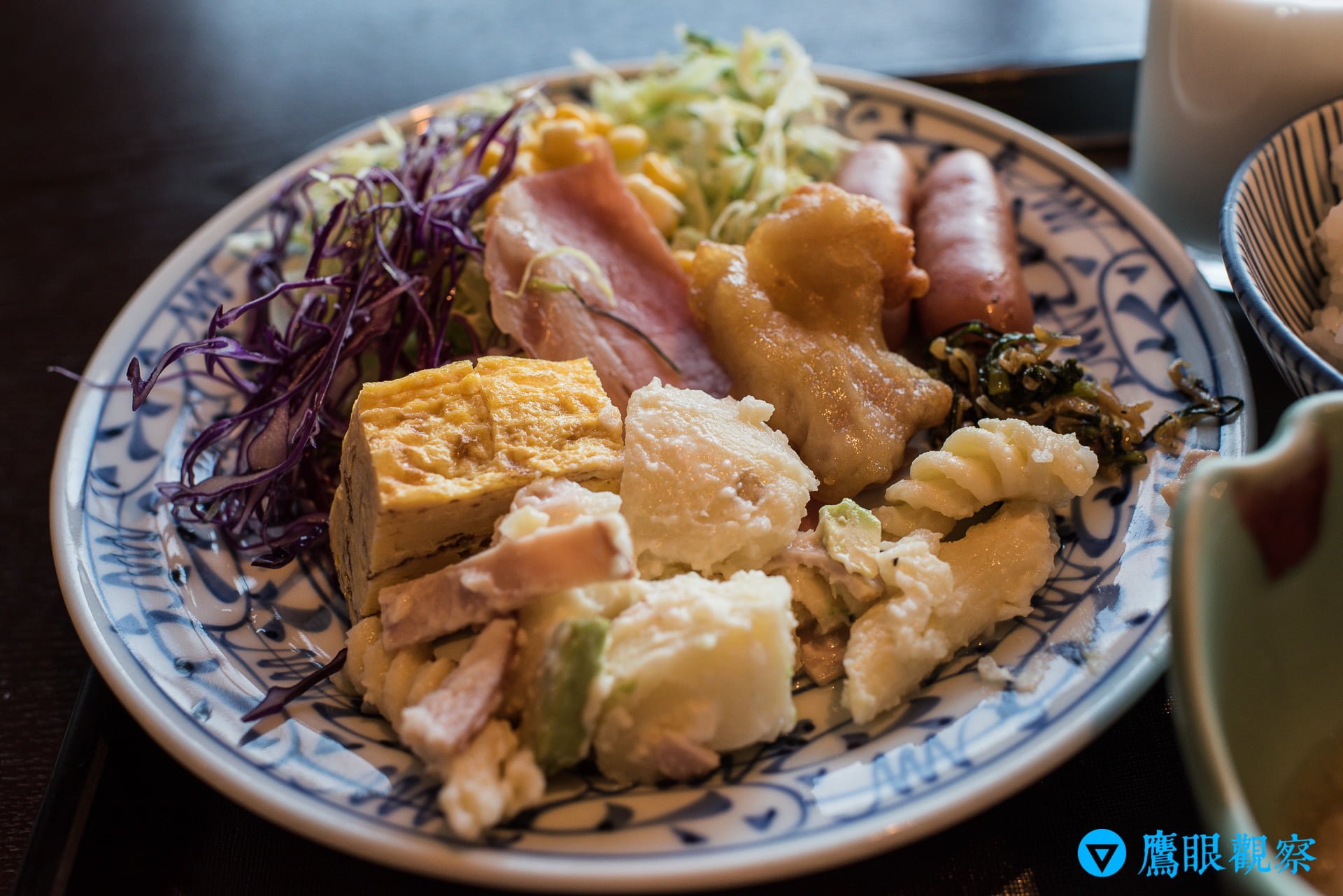
This summer has brought not only scorching temperatures but also serious public health hazards across Japan. Following a major outbreak of Escherichia coli O157 linked to food safety lapses in Saitama Prefecture this past August, neighboring Gunma Prefecture accumulated over 70 confirmed O157 infection cases as of September 14, tragically leading to the death of a three-year-old girl.
According to investigations by the Ministry of Health, Labour and Welfare (MHLW), the three-year-old child contracted the infection and fell ill after consuming fried foods at a prepared food (delicatessen) restaurant in Maebashi City, Gunma Prefecture, on August 11. Ten additional patients were infected on the same day after dining at the same establishment. Health authorities instructed the retail chain to temporarily suspend operations while epidemiologists traced the exact source of contamination.
While most strains of E. coli are harmless, commensal bacteria naturally present in human intestinal tracts that help inhibit pathogenic flora, certain strains are highly virulent.
Escherichia coli O157:H7 is an enterohemorrhagic bacterium (EHEC). Infected individuals frequently develop bloody diarrhea, severe abdominal cramps, and in critical situations, hemolytic uremic syndrome (HUS) and acute renal failure. O157:H7 infections disproportionately impact young children and the elderly. The pathogen spreads via the fecal-oral route, commonly traced back to undercooked or contaminated beef and pork, swimming in or drinking unchlorinated contaminated water, and unwashed raw salad greens commonly found in Japanese cuisine.
Patients infected with E. coli O157 typically experience severe acute hemorrhagic diarrhea (or non-bloody watery diarrhea) paired with intense stomach cramps. A subset of patients develops low-grade fever. While symptoms generally subside within 5 to 10 days, asymptomatic carriage is also possible.
Further Reading & Travel Recommendations
- Accommodation in Japan: Search room availability and book deals for vacation rentals, hotels, and traditional onsen ryokan.
- Car Rental in Japan: Search and reserve self-drive rental cars.
Support Independent Perspectives & In-Depth Insights
Every thoughtful analysis and candid critique comes from our dedication to truth and quality. We choose not to follow sensational algorithms or clickbait headlines.
Sustaining independent research requires reader support. Make a one-time or monthly contribution, securely processed by Google.
Payments secured by Google · Manage or cancel anytime in your Google Account



Comments