
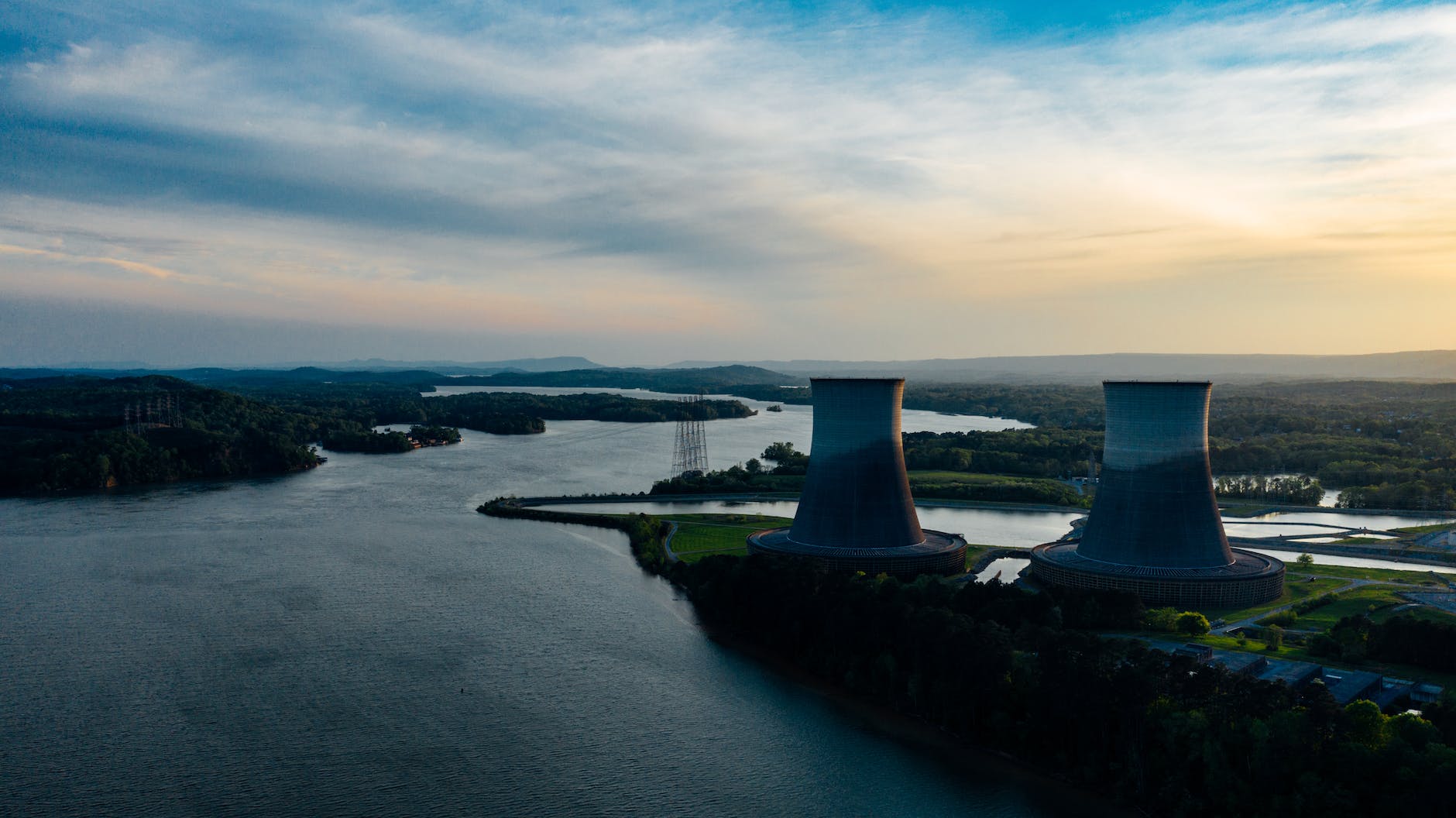
Today, we delve into an issue of profound global importance surrounding nuclear energy: the essential differences between routine “nuclear wastewater” and accident-induced “nuclear-contaminated water,” as well as the far-reaching repercussions that contaminated discharges pose to our environment and society, drawing from the lessons of the Fukushima Daiichi nuclear disaster.
Defining Nuclear Wastewater vs. Contaminated Water
To understand this debate, we must first establish the scientific distinction between the two terms:
- Nuclear Wastewater (Routine Plant Effluent): Refers to industrial wastewater generated during the standard, controlled operation of a nuclear power plant. While it contains low levels of radioactive isotopes (such as tritium), the isotopic composition is well-defined and predictable. Under normal operating conditions, these liquids undergo rigorous treatment, monitoring, and controlled dilution, allowing them to be managed safely without exceeding regulatory thresholds for environmental and human health.
- Nuclear-Contaminated Water (Accident-Derived Water): Refers to water that has come into direct physical contact with exposed, melted nuclear fuel cores following a severe reactor accident or structural containment breach. Unlike routine effluent, contaminated water contains significantly higher concentrations of long-lived radionuclides and heavy isotopes—such as cesium-137, strontium-90, and iodine-129—in addition to various chemical pollutants. Due to its complex composition, filtering and neutralizing this water poses unprecedented engineering difficulties. Despite diplomatic protests and deep concern from neighboring nations and global fishing communities, the Japanese government proceeded with plans to dilute and discharge treated water into the Pacific Ocean, a contentious measure driven in part by escalating storage challenges and economic costs.
The Multidimensional Impacts of Contaminated Water
The Fukushima disaster generated enormous volumes of contaminated cooling water and groundwater ingress. The primary risks and broader impacts of contaminated water are evident across four key dimensions:
-
Ecological and Marine Consequences: When persistent radioactive isotopes enter marine ecosystems or coastal soils, they present long-term, potentially irreversible hazards. Radionuclides can be absorbed by marine plankton and bioaccumulate across trophic levels, threatening coastal biodiversity and disrupting delicate marine food webs.
-
Public Health Risks: Chronic low-dose exposure to ionizing radiation through the consumption of contaminated seafood or environmental pathways is linked to increased risks of carcinogenesis and other chronic health complications. These hazards are especially acute for vulnerable demographics, such as children and pregnant women, who exhibit heightened physiological sensitivity to radiation.
-
Economic and Livelihood Fallout: Environmental degradation and contamination concerns deal an immediate blow to coastal industries, particularly commercial fisheries, aquaculture, and tourism. In addition to import bans from trading partners, reputational damage (“fuhyo higai”) undermines the livelihood of coastal communities and threatens regional economic stability.
-
Societal Anxiety and Cross-Border Panic: Uncertainty over radiation safety reliably ignites public panic and diplomatic friction. Following discharge announcements, consumers in neighboring East Asian countries engaged in panic buying of sea salt and seafood. This erosion of public trust underscores the persistent psychological and social scars left by nuclear accidents.
Conclusion
The ramifications of nuclear-contaminated water extend far beyond immediate technical fixes—they reverberate across marine ecosystems, public health, local economies, and international relations. The enduring lesson of the Fukushima disaster is that nuclear safety demands uncompromising transparency, rigorous scientific oversight, and flawless institutional coordination between state regulators and utility operators to safeguard the planet for future generations.
Support Independent Perspectives & In-Depth Insights
Every thoughtful analysis and candid critique comes from our dedication to truth and quality. We choose not to follow sensational algorithms or clickbait headlines.
Sustaining independent research requires reader support. Make a one-time or monthly contribution, securely processed by Google.
Payments secured by Google · Manage or cancel anytime in your Google Account




Comments