
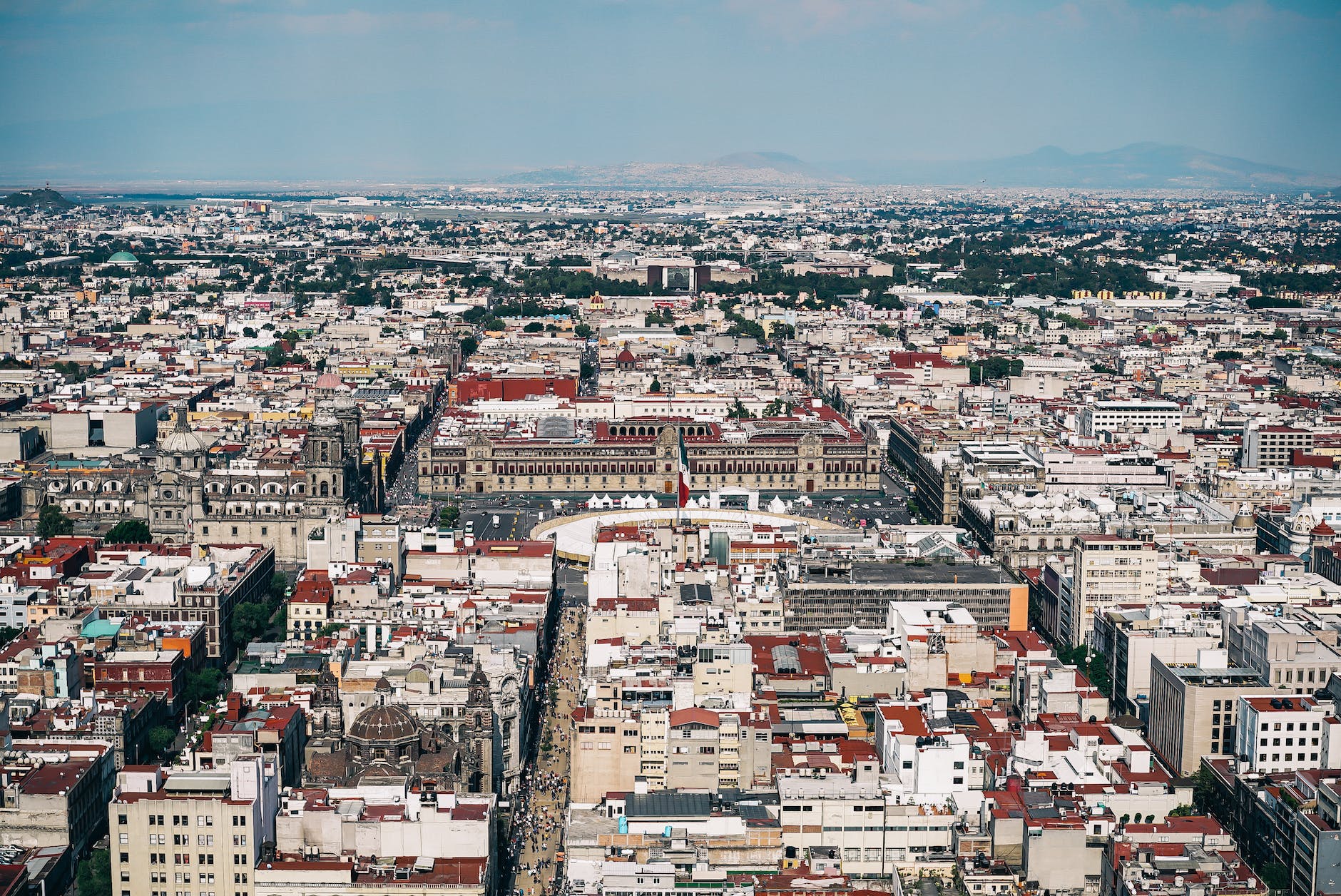
In 2022, severe violent crime and elevated homicide rates continued to plague numerous metropolitan areas around the world, deeply impacting local communities and residents. To help travelers heighten their situational awareness and understand regional security conditions, we have compiled the list of the top 20 cities with the highest homicide rates per capita in 2022.
Here are the 20 cities with the highest recorded homicide rates:
-
Colima, Mexico (181.9 per 100,000 residents)
Colima topped the global ranking in 2022, cementing its status as one of the world’s most perilous metropolitan areas due to intense cartel conflicts. -
Zamora, Mexico (177.7 per 100,000 residents)
Following closely behind, Zamora struggles with persistent violent crime, requiring urgent and comprehensive security interventions. -
Ciudad Obregón, Mexico (138.2 per 100,000 residents)
Ranking third, Ciudad Obregón further exemplifies the acute public safety hurdles confronting northwestern Mexico. -
Zacatecas, Mexico (134.6 per 100,000 residents)
Zacatecas has seen a dramatic escalation in cartel turf warfare, drawing major national and international concern. -
Tijuana, Mexico (105.1 per 100,000 residents)
Despite being a major border economic hub, Tijuana’s homicide rate remains stubbornly elevated in fifth position. -
Celaya, Mexico (99.6 per 100,000 residents)
Located in Guanajuato state, Celaya’s position highlights the localized volatility across central Mexican manufacturing corridors. -
Uruapan, Mexico (78.3 per 100,000 residents)
Uruapan’s high homicide rate reflects chronic clashes over extortion and transit routes in Michoacán. -
New Orleans, United States (70.6 per 100,000 residents)
Standing out as a prominent American metropolitan entry on the list, New Orleans landed at eighth globally, reflecting severe gun violence and law enforcement strains. -
Juárez, Mexico (67.7 per 100,000 residents)
Long historically associated with border violence, Juárez ranks ninth as local authorities struggle to suppress violent crime syndicates. -
Acapulco, Mexico (65.6 per 100,000 residents)
Once an iconic Pacific resort paradise, Acapulco sits tenth, plagued by chronic neighborhood insecurity outside tourist bubbles. -
Mossoró, Brazil (63.21 per 100,000 residents)
Mossoró ranks eleventh globally, underscoring ongoing factional violence across northeastern Brazil. -
Cape Town, South Africa (63.00 per 100,000 residents)
Cape Town continues to battle rampant gang violence in its outlying townships, requiring coordinated socio-economic and police initiatives. -
Irapuato, Mexico (61.60 per 100,000 residents)
Ranking thirteenth, Irapuato remains another focal point of violent crime in central Mexico. -
Cuernavaca, Mexico (60.20 per 100,000 residents)
Just south of Mexico City, Cuernavaca’s fourteenth-place ranking demonstrates how criminal networks have permeated suburban regions. -
Durban, South Africa (59.37 per 100,000 residents)
South Africa’s major eastern port city faces severe crime challenges, prompting enhanced security patrols. -
Kingston, Jamaica (58.46 per 100,000 residents)
Kingston ranks sixteenth, as community violence and illicit firearm trafficking continue to pressure law enforcement. -
Baltimore, United States (57.76 per 100,000 residents)
Baltimore represents the second major U.S. city in the top twenty, highlighting deep-seated systemic challenges regarding neighborhood safety. -
Nelson Mandela Bay, South Africa (56.99 per 100,000 residents)
Another South African urban area facing steep hurdles in curtailing violent street offenses. -
Salvador, Brazil (55.68 per 100,000 residents)
Salvador ranks nineteenth, reflecting persistent gang disputes across coastal northeastern communities. -
Port-au-Prince, Haiti (54.75 per 100,000 residents)
Rounding out the top twenty, Haiti’s capital has experienced profound political destabilization and widespread territorial gang control.
The statistical reality presented by these numbers emphasizes that public safety remains an urgent challenge requiring concerted cooperation among governments, communities, and international bodies. In particular, the Americas—from Mexican transit hubs to specific major urban centers in the United States and Latin America—continue to bear a disproportionate burden of global gun violence. Genuine personal freedom cannot exist without foundational public security, making it imperative that societies work toward providing safe, stable living environments for all citizens.
Support Independent Perspectives & In-Depth Insights
Every thoughtful analysis and candid critique comes from our dedication to truth and quality. We choose not to follow sensational algorithms or clickbait headlines.
Sustaining independent research requires reader support. Make a one-time or monthly contribution, securely processed by Google.
Payments secured by Google · Manage or cancel anytime in your Google Account



Comments