
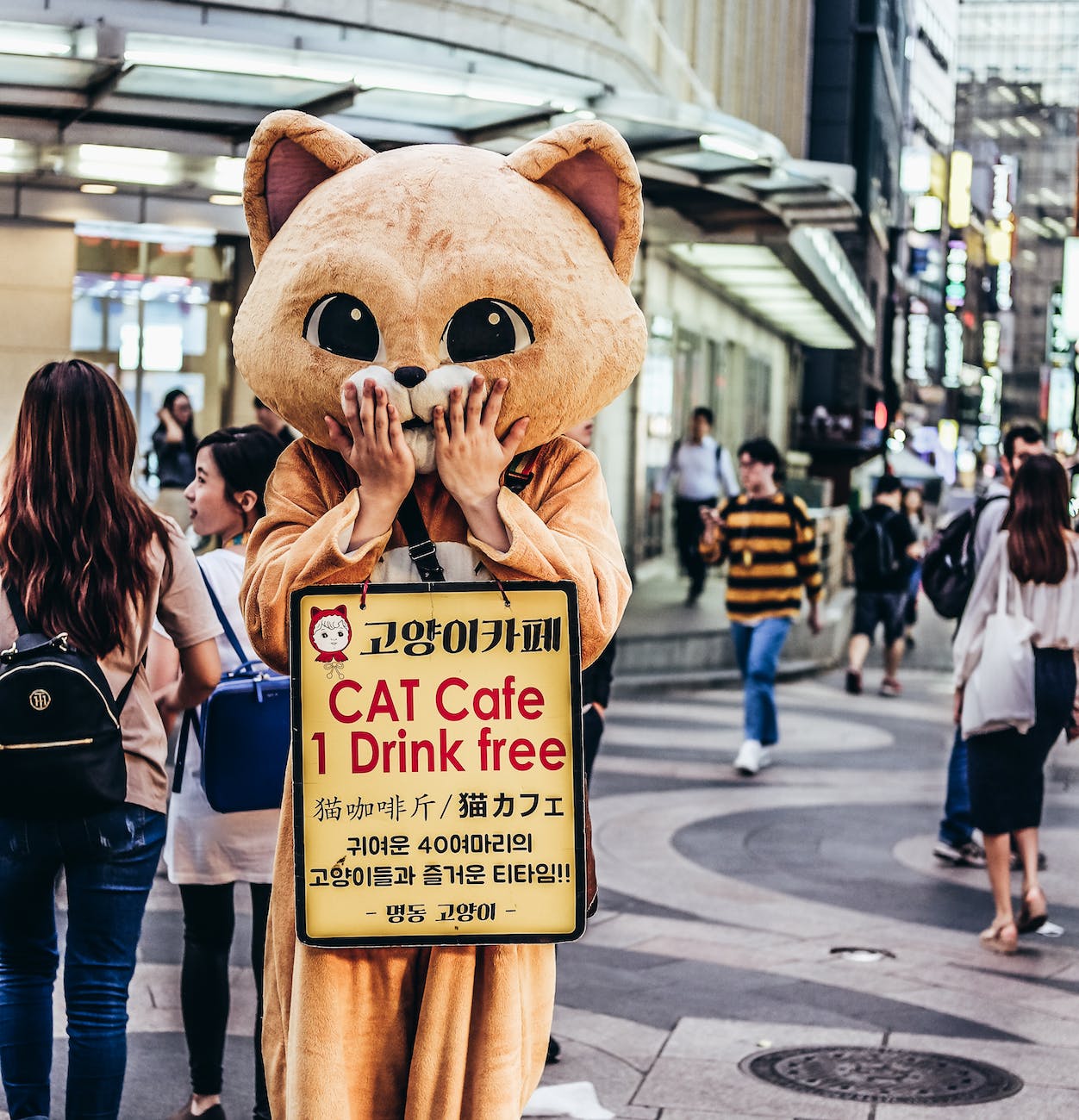
When traveling in the Republic of Korea (South Korea, Korea), food is an important part not to be missed. But recently there is not-so-good news: according to data from the Korea Consumer Agency’s price information platform dated April 19 of this year (ROC 112), based on March prices in the Seoul area, the prices of 8 everyday foods beloved by Korean consumers continued to rise in March. Half of them cost more than 10,000 won (about NT$232, 1NT$=43₩).
Let’s first look at the food with the biggest increase: “jjajangmyeon” (black bean noodles). Its increase reached 16.3%. A bowl of jjajangmyeon rose from 5,846 won in March 2022 to 6,800 won this March, about to exceed 7,000 won.
Ginseng chicken soup, beloved by foreigners, also rose 12.7% to 16,346 won, and pork belly (per 200 grams) rose 12.1% to 19,236 won.
In addition, gimbap (10.3%), bibimbap (8.5%), kalguksu (7.5%), kimchi stew (7.5%), and cold noodles (7.3%) all rose.
Last March, you could still eat cold noodles and bibimbap for 10,000 won, but now among the 8 popular dishes, only gimbap, jjajangmyeon, kalguksu, and kimchi stew cost less than 10,000 won.
Although the consumer price increase narrowed in March, restaurant prices remain high. According to data from Statistics Korea, the increase in restaurant prices has been higher than the consumer price increase for 22 consecutive months since June 2021. This may lead some travelers to start considering their budget.
According to a report by the Korea Disease Control and Prevention Agency, during the COVID-19 pandemic, some changes occurred in Koreans’ dietary habits. People reduced the frequency of dining out and relatively increased the number of times they took dietary supplements and ordered takeout. These changes contributed to some reasons for restaurant price increases, because restaurants needed to add corresponding costs for takeout and delivery.
However, these price increases will not affect Korea’s appeal as a travel destination. Besides dining, the Republic of Korea has rich cultural heritage, stylish shopping venues, beautiful natural scenery, and many other activities and entertainment options. As a traveler, you can still enjoy food and explore local culture in Korea; you just need to be more careful with your budget and choice of restaurants.
Easily Enjoying Korean Food
So, as travelers, how can we better enjoy Korean food without breaking our budget?
First, you can choose to dine at small stalls or restaurants favored by locals. These places usually have delicious traditional Korean food at relatively affordable prices. Try to avoid places where tourists gather, where dining prices may be higher.
Second, consider buying food at Korean convenience stores or supermarkets and enjoying it in your hotel or accommodation. These places offer a variety of Korean food options, including instant noodles, grilled meat slices, and kimchi, at relatively affordable prices, while also letting you experience the local food culture.
Third, you can also try enjoying a local lunch set during the lunch period, which is usually much cheaper than during the dinner period. Locals usually dine at lunchtime, so this is also a great opportunity to experience local culture.
Finally, if you really want to taste local high-end cuisine, consider booking a restaurant before your trip and choosing to dine on weekdays, which may be relatively affordable. In addition, many restaurants also offer special lunch menus, so you can ask whether the restaurant has related discounts. We can even get restaurant flyers at hotels and stations, which usually offer discounts.
Support Independent Perspectives & In-Depth Insights
Every thoughtful analysis and candid critique comes from our dedication to truth and quality. We choose not to follow sensational algorithms or clickbait headlines.
Sustaining independent research requires reader support. Make a one-time or monthly contribution, securely processed by Google.
Payments secured by Google · Manage or cancel anytime in your Google Account


Comments