
Among the hundreds of culinary gadgets crowding modern kitchens, for pastry and baking enthusiasts, the oven and the kitchen food scale are the two foundational tools that simply cannot be improvised.
While savory cooking relies on intuitive dashes of salt and splashes of soy sauce, Western baking is a precise chemical reaction:
- Altering the ratio of flour to water by just 5% completely destabilizes gluten development and dough hydration.
- An extra gram of active dry yeast over-ferments bread into sour dough with coarse cavernous air pockets; a gram too few leaves loaves dense and unrisen.
- Imbalanced baking powder or baking soda collapses cake structures while leaving bitter metallic aftertastes.
Consistent culinary success demands reliable, repeatable measurement.
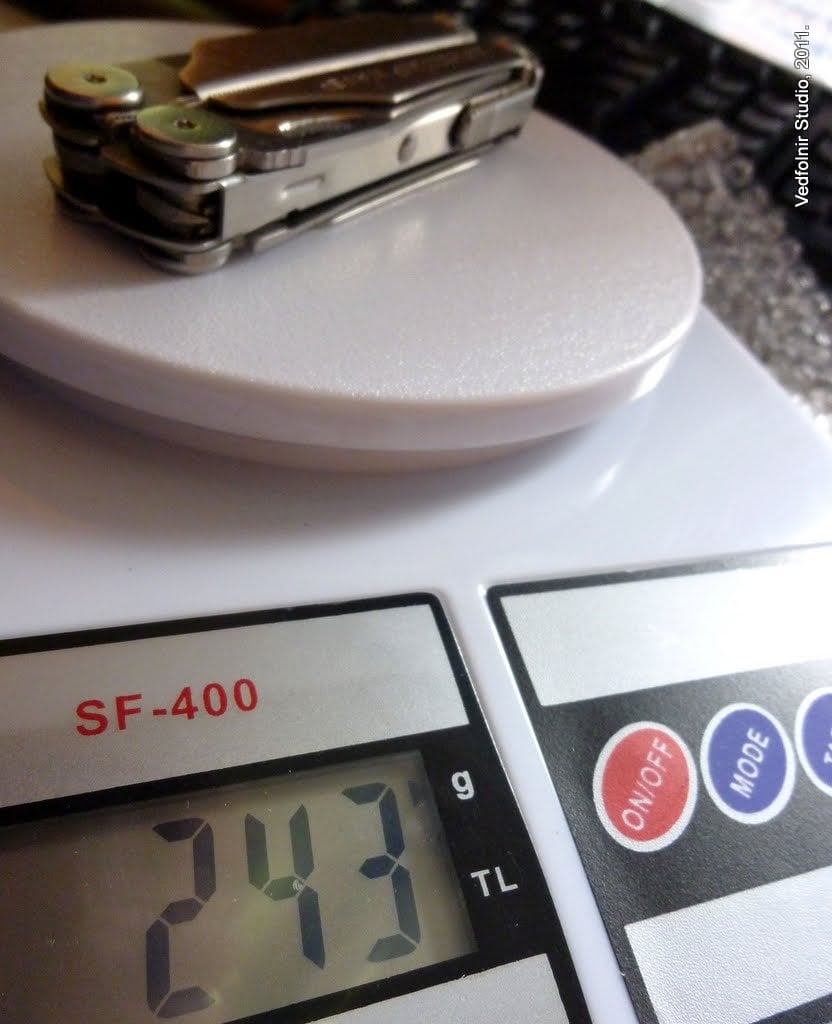
Dial Spring Scales vs. Digital Electronic Scales
When shopping on a modest budget, shoppers often deliberate between retro spring dial scales and modern digital units.
Why Mechanical Dial Scales Fail in Modern Kitchens
- Spring Fatigue and Drift: Mechanical scales rely on coiled tension springs. In humid kitchen environments, springs corrode easily. Sustained loading inevitably induces metal fatigue, drifting out of calibration by tens of grams within months.
- Parallax Error: Physical space separates the needle from the printed dial face; viewing from slight angles alters readings by 5 to 10 grams, making micro-measurements unreliable.
- Cumbersome Tare Calibration: While mechanical units provide a manual wheel to reset the dial, turning gears every time you swap bowls is tedious and accelerates mechanical wear.
In contrast, budget digital scales utilize semiconductor strain gauge load cells paired with clear LCD readouts. With a single tap of the Tare button, the scale zeroes instantly, outperforming mechanical scales in precision and convenience.
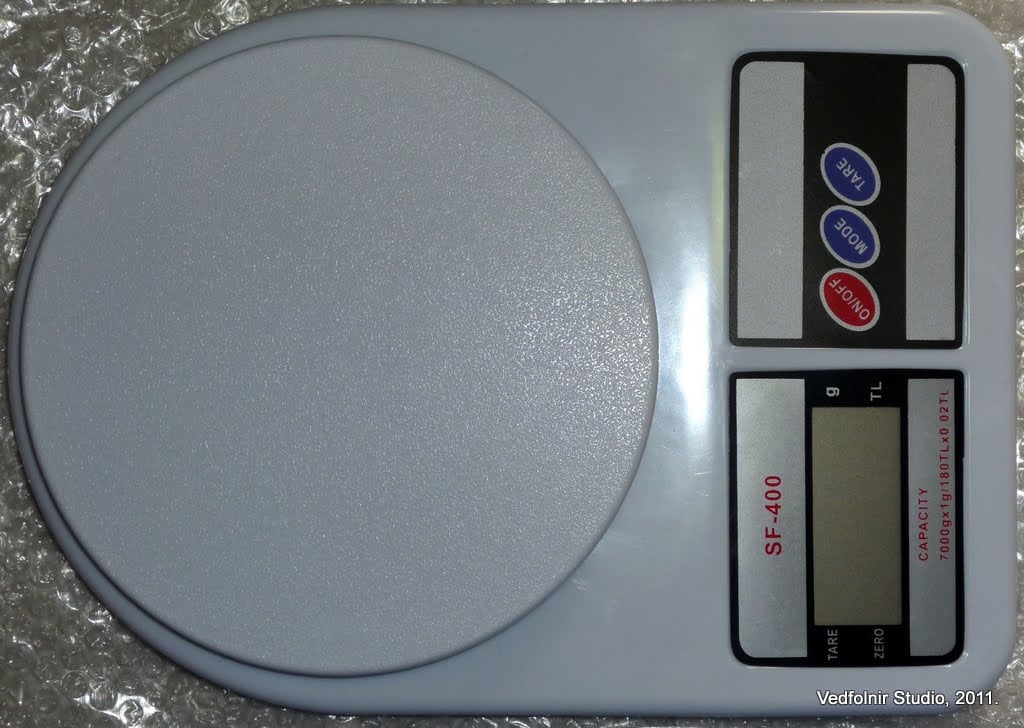
Two Gimmicky Design Traps to Avoid
Manufacturers frequently introduce novelty features that photograph nicely but prove disastrous during actual cooking:
Trap 1: Scales Lacking Physical Power Buttons (“Press-to-Wake” Platforms)
Some minimalist scales omit physical power switches, claiming the scale wakes automatically upon applying palm pressure.
Avoid this design!
- Inadvertent battery drain: When stored inside drawers or cabinets, any cookware resting against the weighing platform wakes the unit quietly, draining the battery before your next bake.
- Sluggish response and zeroing issues: Working with flour-coated or buttery fingers makes force-pressing the platform awkward, and heavy pressure risks damaging internal strain gauges.
Trap 2: Integrated, Fixed Measuring Bowls
Other novelty units feature a permanently mounted plastic or metal bowl permanently fixed to the base.
This setup is impractical for versatile cooking:
- Zero bowl flexibility: Baking requires swapping between dry flour bowls, melted butter ramekins, and stand mixer bowls. A fixed bowl forces constant dumping, washing, and drying mid-recipe.
- Cleaning hazards: With delicate circuit boards and battery compartments directly beneath the bowl, cleaning spills risks water entering internal seams and shorting circuits.
- Storage bulk: A bulky three-dimensional bowl occupies excessive vertical space, unlike a slim flat scale that slips neatly into narrow bookshelf slots.
Technical Specifications: Capacity vs. Precision
| Scale Category | Max Capacity | Readability (Resolution) | Ideal Kitchen Use Case |
|---|---|---|---|
| Standard Home Scale | 3 Kilograms (3 kg) | 1 Gram (1 g) | Universal best choice. Supports heavy ceramic and stainless mixing bowls for breads and family baking. |
| High-Precision Micro Scale | 1 to 2 Kilograms (1–2 kg) | 0.1 Gram (0.1 g) | Artisanal pastries, pourover coffee brewing, and measuring 1–3 grams of yeast, salt, or gelatin. |
| Heavy-Duty Commercial Scale | 5 to 7 Kilograms (5–7 kg) | 1 Gram (1 g) | Whole roasts, large batch stocks, commercial food prep, and handmade soap production. |
For most home bakers, a flat digital scale rated for 3 kg with 1-gram increments delivers the optimal balance. Supplementing it later with a 0.1 g coffee scale provides complete kitchen versatility.
Pre-Purchase Checklist
Before checking out, verify these three operational details:
- Instant Tare Response: Zeroing out a bowl should happen within a second without lag.
- Generous Auto-Off Timer: Scales that shut off after 60 seconds of inactivity can wipe out your active measurements while you retrieve eggs from the fridge. Look for a 2-to-3-minute auto-off threshold or manual power toggles.
- Hygienic Wipe-Down Surface: Brushed stainless steel or seamless tempered glass platforms wipe clean instantly without trapping flour dust in crevices.
Support Independent Perspectives & In-Depth Insights
Every thoughtful analysis and candid critique comes from our dedication to truth and quality. We choose not to follow sensational algorithms or clickbait headlines.
Sustaining independent research requires reader support. Make a one-time or monthly contribution, securely processed by Google.
Payments secured by Google · Manage or cancel anytime in your Google Account



Comments