
In Kichijoji, Tokyo, there is a tiny shop measuring just three square meters (roughly one tsubo) that sells only two traditional confections—yokan (sweet red bean jelly) and monaka (wafers with red bean paste). Yet it generates a staggering annual revenue of over 300 million yen. This modest storefront is “Ozasa,” renowned for treats crafted so beautifully people hesitate to take the first bite.
They look too gorgeous to eat, yet taste so heavenly you cannot stop yourself.
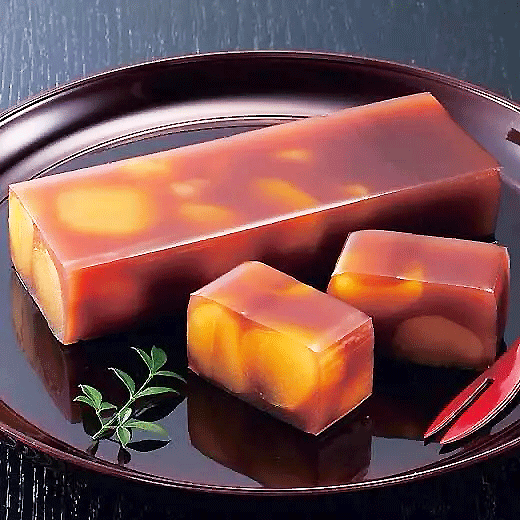 Ozasa yokan and monaka confections in Tokyo, Japan
We often hear people sigh:
“Making money is so difficult these days!”
“Indeed, we just missed the golden era.”
“Costs are sky-high, and competition is fierce.”
Yet right in Kichijoji, Tokyo, this little shop occupies a mere three square meters, sells only yokan and monaka, and generates 300 million yen in revenue every year. That legendary shop is Ozasa.
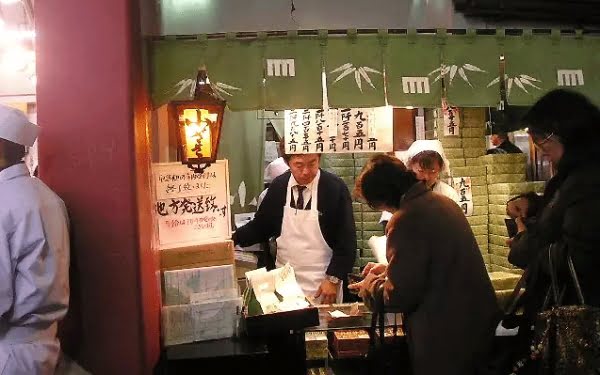 Ozasa yokan and monaka confections in Tokyo, Japan
Ozasa limits its yokan production to just 150 blocks per day, with each customer permitted to buy a maximum of five. Patrons queue up as early as 4:00 or 5:00 AM. On holidays, some wait in line from 1:00 AM—a ritual that has repeated continuously for 46 years.
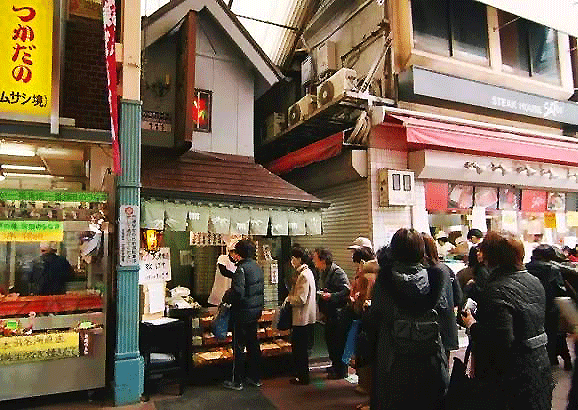 Ozasa yokan and monaka confections in Tokyo, Japan
Remember crowds of tech enthusiasts camping overnight for the latest iPhone launch? At Ozasa, that has happened every single morning for over four decades.
Moreover, Ozasa has never run advertisements or granted interviews. The shopfront is unpretentious and lacks parking spaces, yet eager customers return day after day.
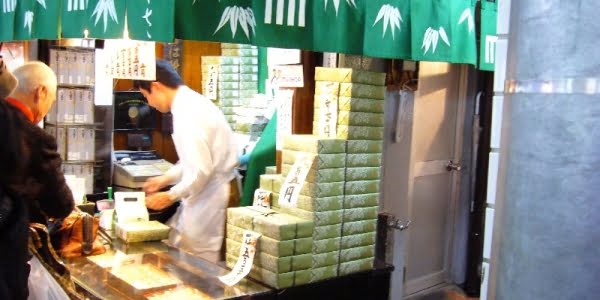 Ozasa yokan and monaka confections in Tokyo, Japan
What exactly is yokan? Is it really an otherworldly delicacy?
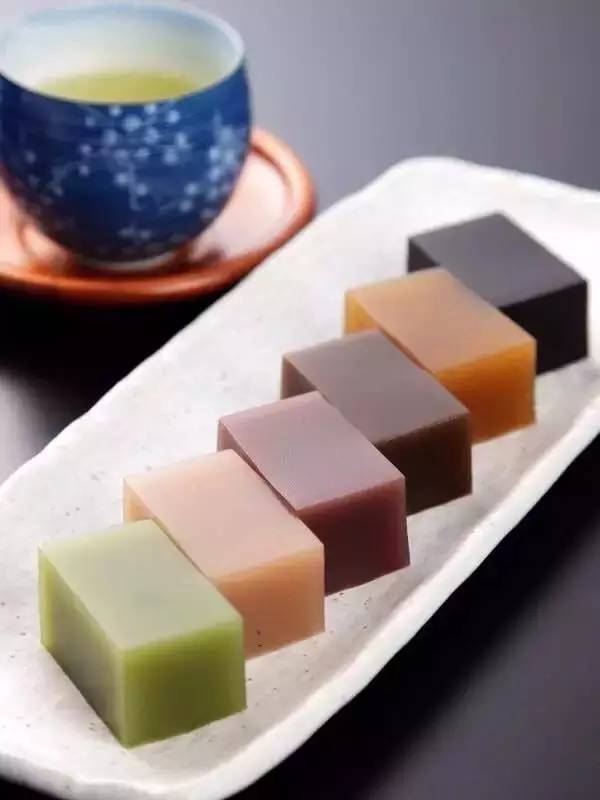 Ozasa yokan and monaka confections in Tokyo, Japan
Yokan originally came from ancient China, where it was initially a thick soup made from simmered mutton that gelatinized upon cooling. During the Tang dynasty, it made its way to Japan via Zen Buddhist monks. Since Buddhist monks abstained from meat, they substituted adzuki beans and flour, steaming the mixture. Over time in Japan, yokan evolved into a firm, jelly-like confection made with sweetened beans.
The underlying recipe sounds deceptively straightforward: simmer adzuki red beans until tender, mash them, stir in sugar and agar-agar, cook down the mixture, and pour it into molds to cool.
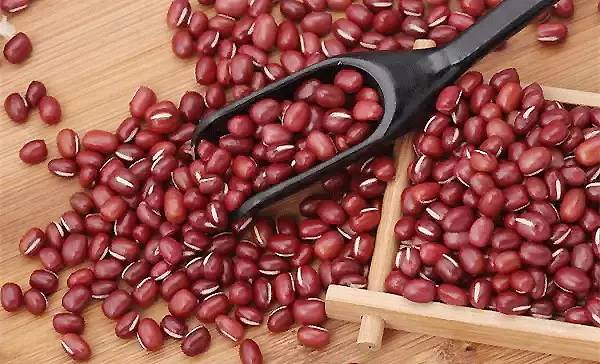 Ozasa yokan and monaka confections in Tokyo, Japan
Today, variations of yokan are sold all over the world.
You might wonder: how could an everyday treat like this generate 300 million yen?
Take a look at what Ozasa’s yokan looks like:
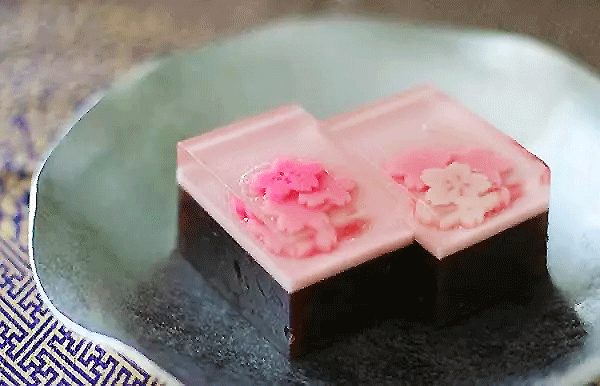 Ozasa yokan and monaka confections in Tokyo, Japan
Listen to what devoted patrons say:
“Taking one bite felt as though the entire cosmos was weeping with beauty.”
“Eating a slice felt like plunging into the depths of the ocean.”
“A shimmering koi lives within this yokan; take a bite, and your wishes feel bound to come true.”
“Delightful enough that your ears can hear the flavor—turns out that wasn’t a myth.”
“So stunning you hesitate to bite, but so delicious you cannot stop yourself.”
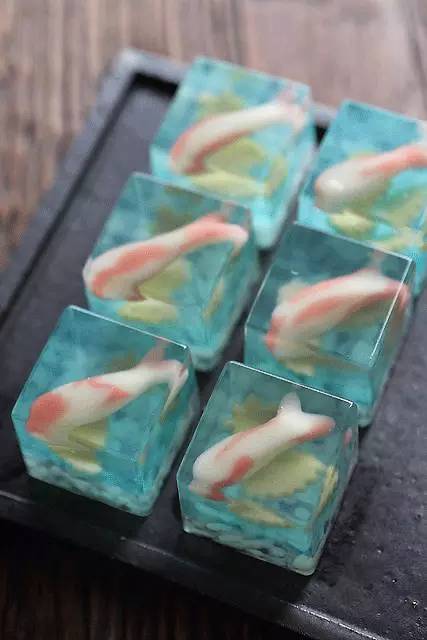 Ozasa yokan and monaka confections in Tokyo, Japan
Hearing praise like this, one quickly understands why so many people travel hundreds of kilometers through the night just to secure a spot in line.
The master artisan and owner behind this shop is Atsuko Inagaki.
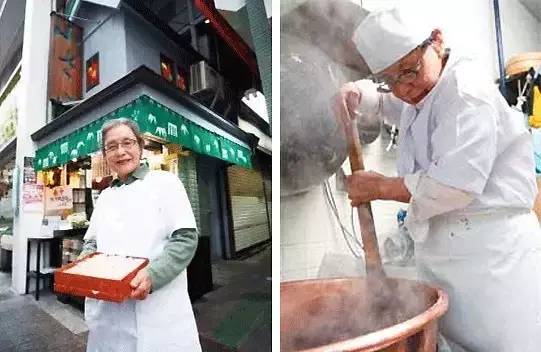 Ozasa yokan and monaka confections in Tokyo, Japan
Inagaki believes that at one specific moment during the cooking process, the finest yokan will flash with a subtle purple radiance.
“When the copper pot sits over burning charcoal, for a fleeting instant, the simmering adzuki bean paste flashes with an ethereal purple glow.”
“It carries a translucent, breathtaking luster, making one feel as if the red beans are bursting into bloom.”
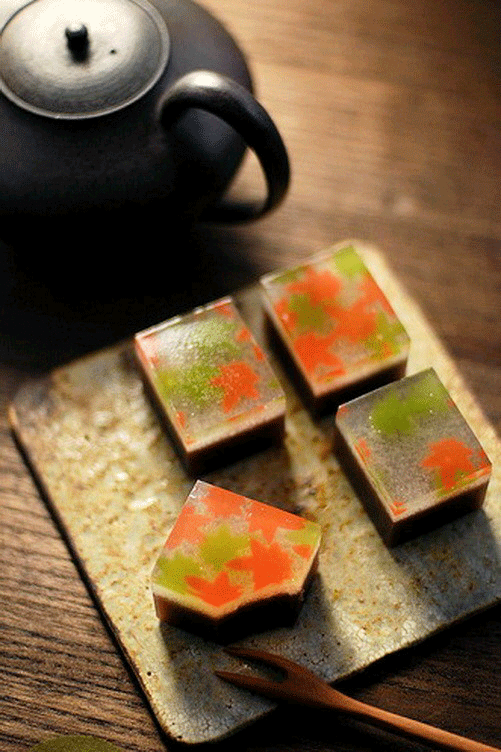 Ozasa yokan and monaka confections in Tokyo, Japan
Atsuko Inagaki has dedicated her entire life to capturing that momentary flash.
Yokan and monaka.
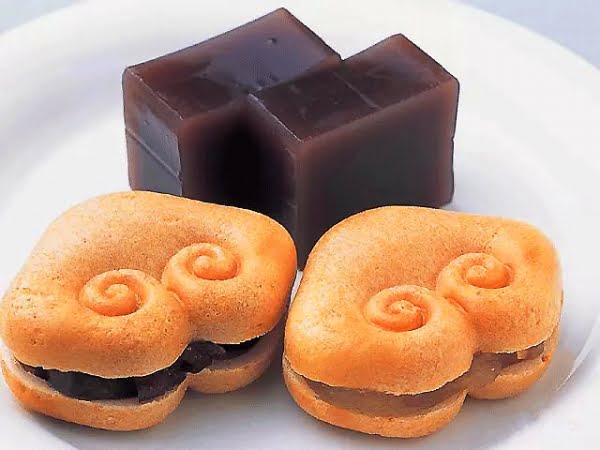 Ozasa yokan and monaka confections in Tokyo, Japan
In 1951, upon graduating from high school, Inagaki began assisting at her father’s traditional confectionery shop.
Her father was an uncompromising taskmaster. Out of six children, Inagaki was the only one who persevered to inherit his craft.
None of the others could endure his relentless standards.
Early every morning, Inagaki lit the charcoal fire.
Then came rinsing the beans, steaming, mashing, and stirring…
Once cooked down, yokan requires a full day of cooling before it can be served.
Each morning, her father tasted the batch she made the day before.
With a severe expression, he would render his verdict: “Under-simmered,” or “The flame was too weak.”
Without further word, he tossed her entire day of hard labor straight into the waste bin.
Her father demanded only one thing: “Above all else, craft the most delicious product imaginable.”
Inagaki first caught that mystical purple radiance after nearly a decade of trial and error.
On that morning, as she stirred the pot, the elusive purple sheen flashed before her eyes. The following morning, when her father tasted the slice, he paused, nodded, and finally uttered a quiet “Mm.”
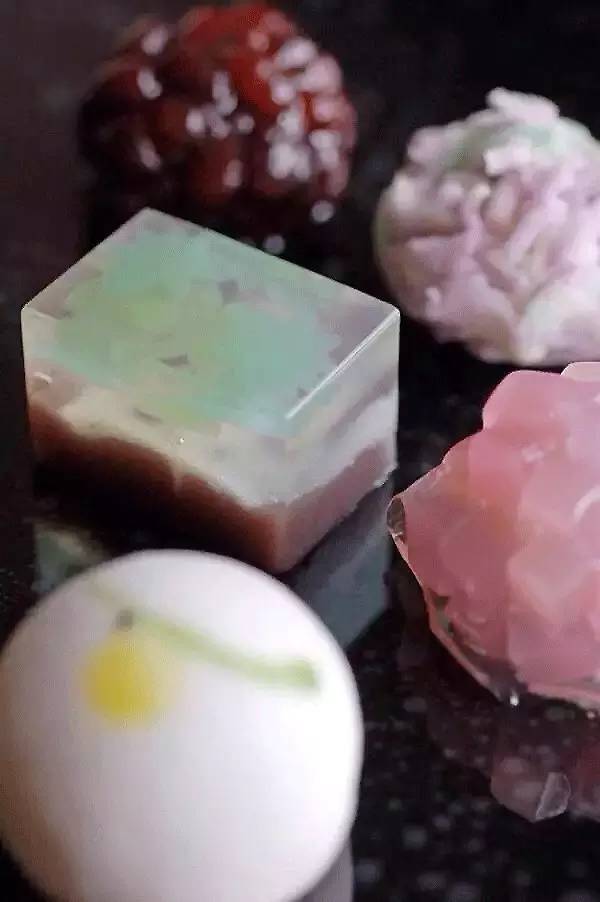 Ozasa yokan and monaka confections in Tokyo, Japan
Yet success today never guaranteed success tomorrow.
Adzuki beans are living ingredients, and so is yokan.
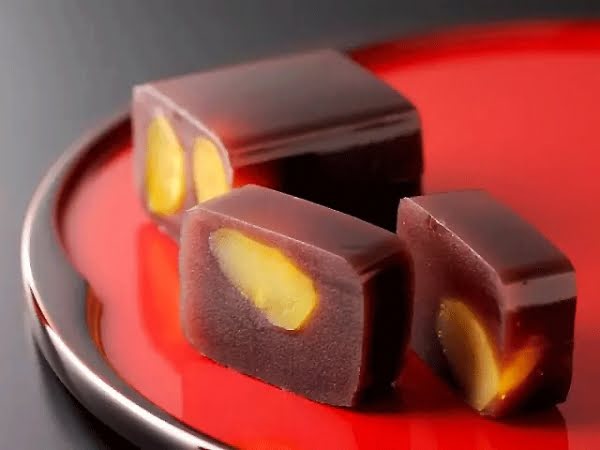 Ozasa yokan and monaka confections in Tokyo, Japan
Daily temperature and humidity fluctuate, bean origins and harvest batches vary, and even charcoal burns differently each day—all altering the final texture and flavor.
“To summon that purple gleam, you must bring all these variables into perfect harmony.”
That is what makes making yokan so difficult—and so endlessly fascinating.
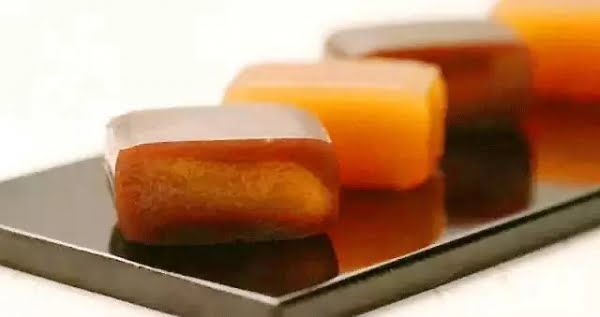 Ozasa yokan and monaka confections in Tokyo, Japan
It took Inagaki another ten years to master that balance consistently.
“When I am simmering yokan, it is just me and my world. It is an uninterrupted space where yokan and I meet face to face, a sacred time requiring complete, unclouded presence. I forget the shop, interpersonal worries, and the sweltering heat; I let go of everything, listening only to the whisper of the beans as I stir. And when that purple light emerges, an indescribable sense of exhilaration washes over me.”
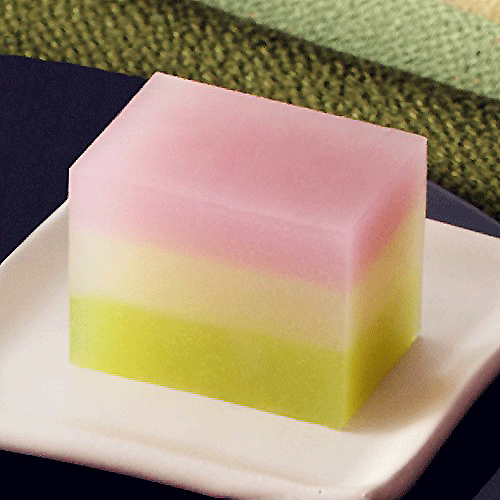 Ozasa yokan and monaka confections in Tokyo, Japan
After thirty years of relentless honing, Inagaki’s mastery surpassed even her father’s.
Why cap production at 150 blocks a day? It was never a gimmick for artificial scarcity.
“One pot holds three kilograms of adzuki beans, which yields exactly 50 blocks. If you exceed three kilograms, you lose control over the delicate flavor.”
“Cooking three pots takes ten and a half hours, which pushes human endurance to the limit. Thus, 150 blocks per day is our absolute ceiling.”
Scarcity is the natural consequence of chasing perfection.
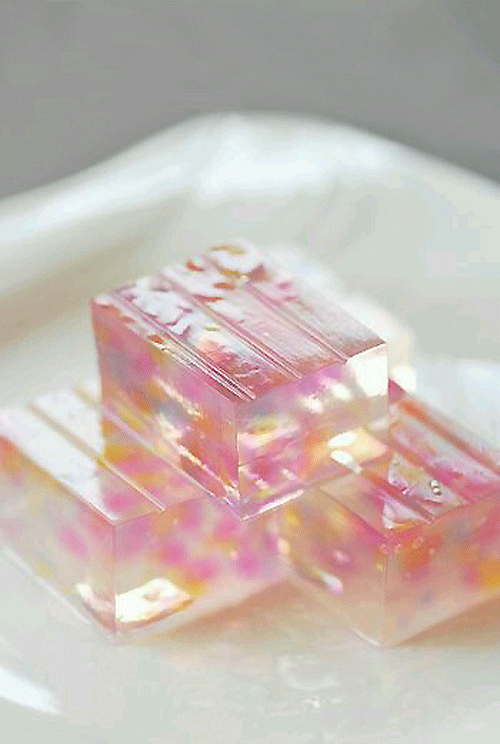 Ozasa yokan and monaka confections in Tokyo, Japan
Customers understand this completely. Out of genuine admiration, loyal patrons formed the “Ozasa Club.”
It was actually the Ozasa Club that suggested capping purchases at five blocks per person.
Without limits, the first few people would buy out the entire stock, leaving latecomers empty-handed.
In response to her customers’ dedication, Inagaki pours her whole heart into every batch.
Because open fires are used, the workshop is intensely hot, especially during summer.
No matter how hot it is outside, stepping out of the cooking room feels like a cool breeze.
Simmering the pots causes sweat to pour down: “So after completing every batch, I change into fresh clothes.”
To prevent any sweat from falling into the copper pot, she wraps a bandana firmly across her forehead.
“Before starting a batch, I splash cold water over my face and drink a glass of ice water.”
This drops her body temperature momentarily to suppress perspiration.
There are dozens of minute disciplines like this.
“These are all parts of my lifelong ritual,” Inagaki explains.
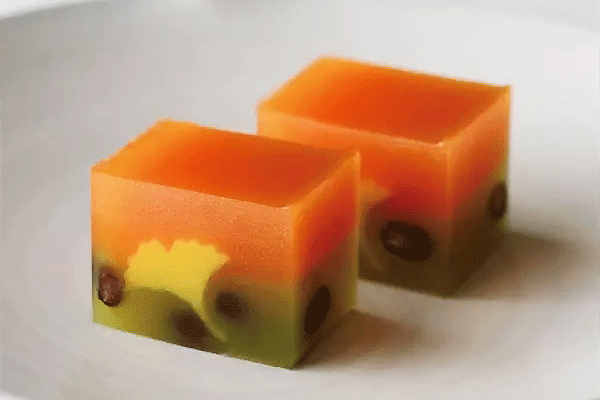 Ozasa yokan and monaka confections in Tokyo, Japan
Her father always instilled in her never to compromise or approach customers and craft with mediocrity.
“Dedicate your whole life to mastering one thing—any single thing will do.”
“It does not matter if you move slowly now, as long as you keep moving forward.”
“Once you commit to doing something, never give up halfway.”
“When you possess the courage to shoulder a burden, you discover the strength within you to bear it.”
These life lessons have become Inagaki’s unwavering lifelong creed.
This is the secret behind how a three-square-meter shop generates 300 million yen.
The secret comes down to one word: focus.
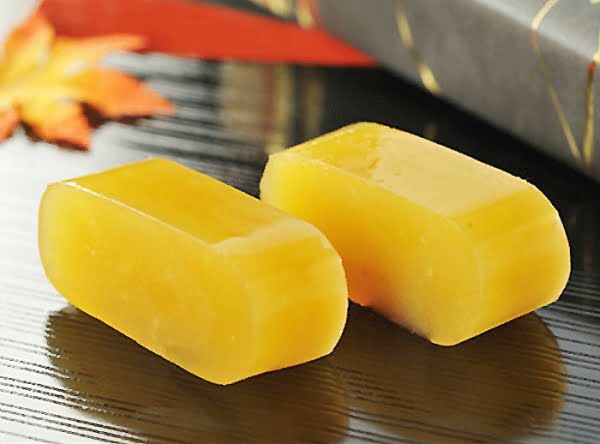 Ozasa yokan and monaka confections in Tokyo, Japan
“Above all else, craft the most delicious product imaginable,” Inagaki reminds us.
Do not blame a sluggish economy or complain about demanding customers. Even with a tiny three-square-meter space and just two products, you can build extraordinary success and earn deep respect.
The secret lies in whether you hold the artisan heart that strives to bring your craft to absolute perfection.
If you enjoyed this story, share it with friends to celebrate the inspiring dedication of Ozasa!
Support Independent Perspectives & In-Depth Insights
Every thoughtful analysis and candid critique comes from our dedication to truth and quality. We choose not to follow sensational algorithms or clickbait headlines.
Sustaining independent research requires reader support. Make a one-time or monthly contribution, securely processed by Google.
Payments secured by Google · Manage or cancel anytime in your Google Account

Comments