
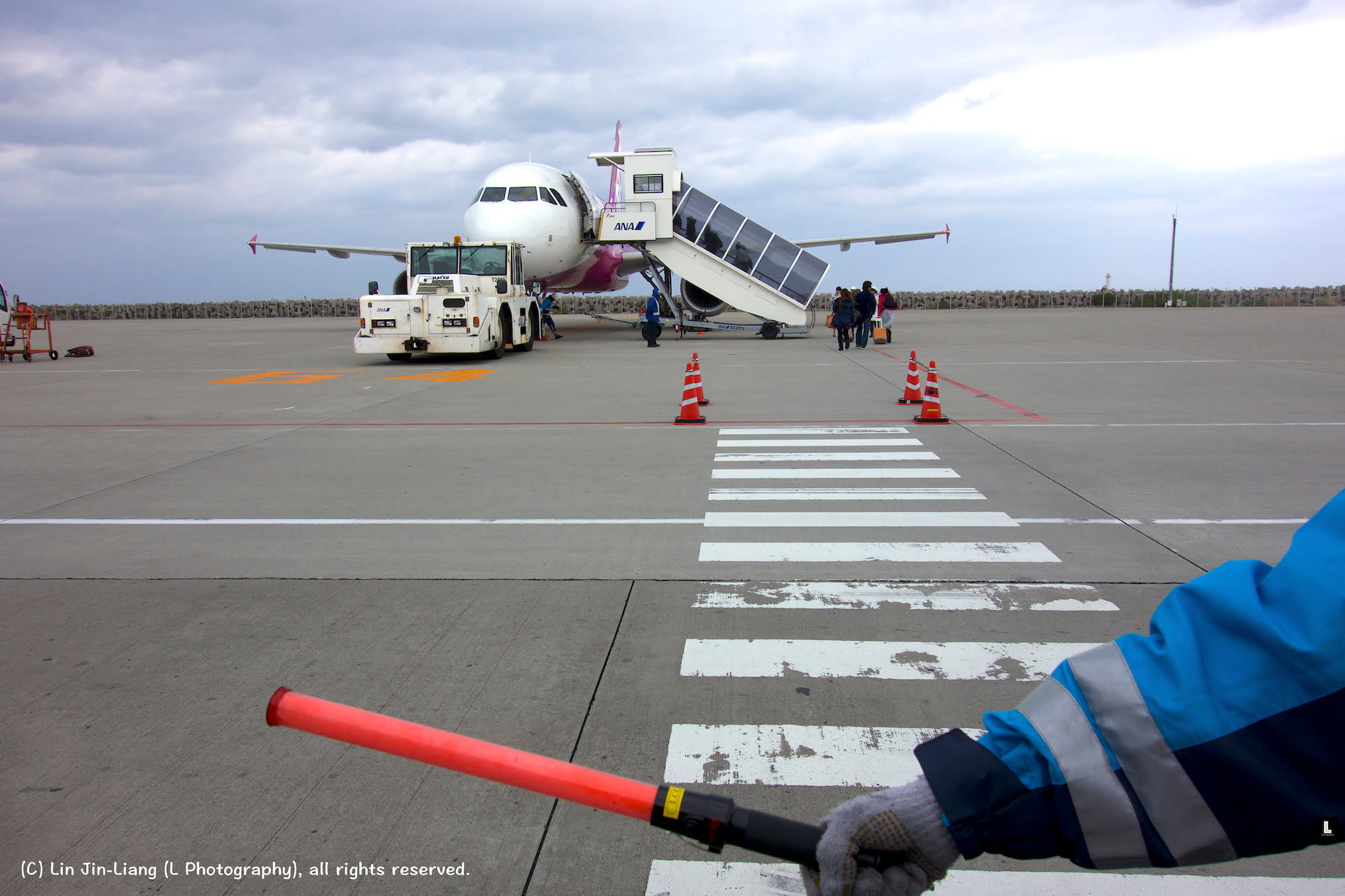
The Central Epidemic Command Center (CECC) announced that starting March 1, Taiwan would conditionally restore entry permissions for non-citizens and resume international passenger transfers at Taoyuan International Airport to facilitate business exchanges.
However, across the sea, Japan remained under strict nationwide state-of-emergency border closures, explicitly refusing entry to all foreign non-residents regardless of their business status.
The Diplomatic Fantasy of One-Sided “Travel Bubbles”
Despite extensive media fanfare in Taiwan promoting bilateral “travel bubbles” (旅遊泡泡) with regional partners:
- Unilateral Concessions: Taiwan’s administration repeatedly lowered entry barriers unilaterally without obtaining reciprocal travel exemptions for Taiwanese business executives or travelers heading to Tokyo.
- Japan’s Pandemic Reality: Japan was grappling with severe domestic infection waves and mutant virus strains, making any bilateral easing of immigration controls an impossible political proposition for Tokyo authorities.
- Airlines and Tourism Frozen: Major international carriers operating routes between Taipei and Japanese hubs continued to operate near-empty skeleton flights, facing prohibitive quarantine requirements on both sides.
True diplomatic agreements must be built on mutual reciprocity, objective epidemiologic alignment, and reciprocal trust. Unilateral domestic proclamations cannot replace substantive international negotiation.
Support Independent Perspectives & In-Depth Insights
Every thoughtful analysis and candid critique comes from our dedication to truth and quality. We choose not to follow sensational algorithms or clickbait headlines.
Sustaining independent research requires reader support. Make a one-time or monthly contribution, securely processed by Google.
Payments secured by Google · Manage or cancel anytime in your Google Account




Comments