
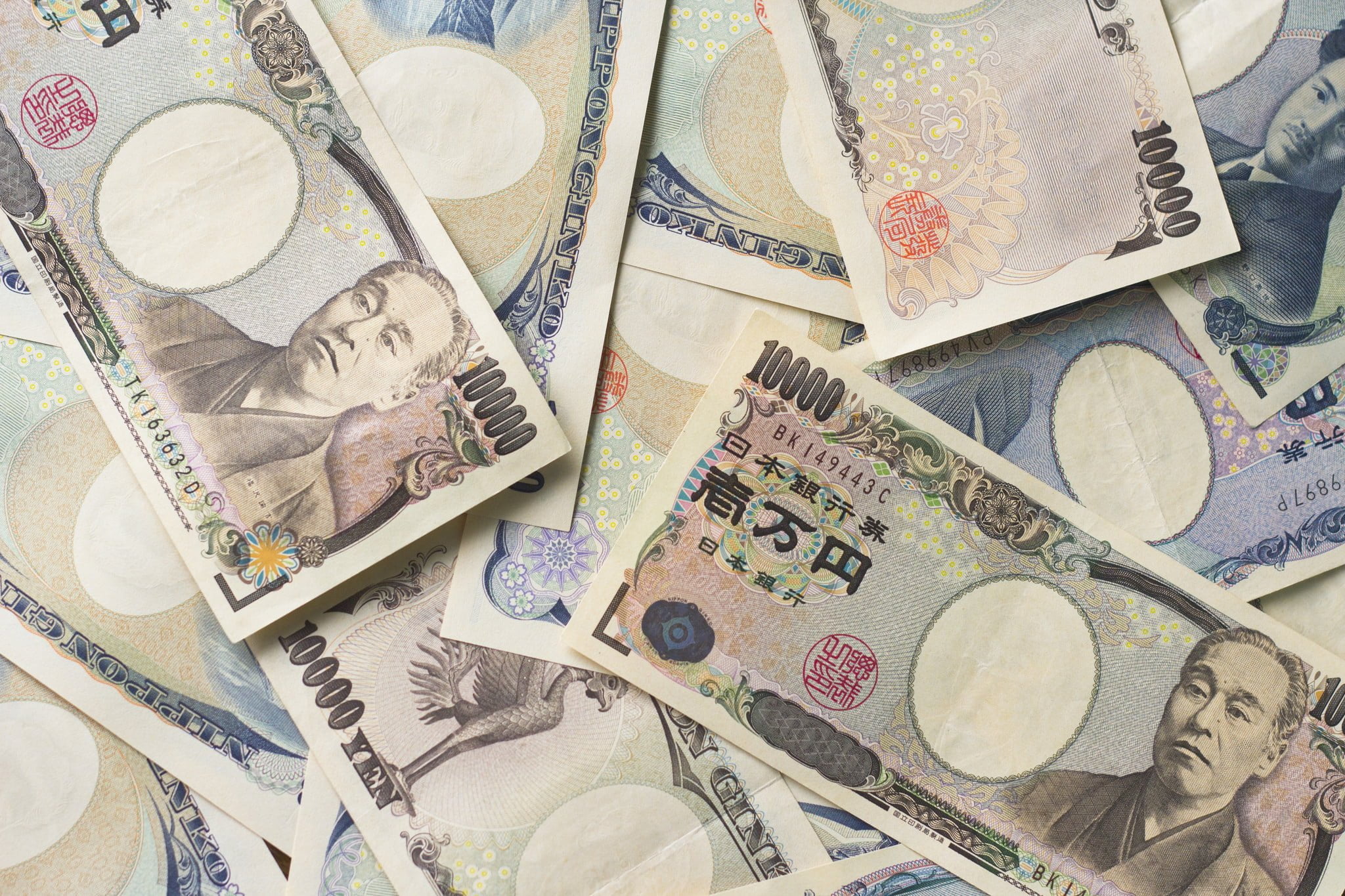
As the yen weakens, more and more travelers skip travel agencies, buy a cheap airfare online themselves, and skip the checked-baggage add-on for the outbound leg. Then they book a hotel online, pack a small bag, and head to Japan freely.
However, I’ve noticed that because the news has hyped it up so much, many travelers who originally had no plans to visit Japan now want to go shopping there too. Whether it’s a one-day Osaka shopping itinerary or news about buying an oversized TV in Okinawa, these are all driving forces behind Japan’s inbound tourism revenue (the Japanese gateway?).
Basic Rules for Tax-Free Shopping in Japan
The most exciting thing about shopping in Japan is the “tax-free” system. Here are the basic rules for tax-free shopping:
- Food and drugstore cosmetics are tax-free: A single-store purchase of 5,000 yen or more qualifies for a refund.
- Electronics: Purchases must reach 10,000 yen or more to qualify for a refund.
- Tax-free threshold: The consumption tax is 8% (the current rate has been adjusted; refer to the store’s posted notice).
The Tax-Free Shopping Process
- Look for the “Tax Free” sign at the store entrance.
- Tell the clerk at checkout that you want to shop tax-free.
- The clerk will ask to see your passport and explain the relevant rules.
- Tax-free goods will be sealed in a special bag.
Important Reminders About Tax-Free Goods
- Do not open the packaging: Tax-free goods cannot be opened while in Japan; if customs finds them opened, you must pay the tax.
- Drugstore sealing: Drugstore items are indeed sealed in a separate bag and cannot be opened while in Japan.
- Liquid checked baggage: If drugstore items include 100 ml liquids, they can go in checked baggage, but still cannot be opened.
- Immediate use: If you want to use something right away, pay for it separately without tax-free treatment.
Asking Japanese Hotels to Receive Online Purchases
Actually, when traveling in other countries, I don’t particularly recommend broadly accepting online purchases delivered to hotels, because finding hotels with the consistently good quality and service spirit of Japanese hotels is rather difficult.
Japanese hotels generally offer meticulous service, and receiving parcels (takkyubin) is a fairly common and accepted service. If you want to buy items online before departure and have them shipped to your hotel, you can refer to the following approach:
Preparation Before Receiving Parcels
- Notify the hotel in advance: Be sure to inform the hotel by email or in the booking notes that they will receive a parcel, and obtain their consent.
- Recipient name: The recipient name must match the booking name; it’s best to add the booking number and check-in date.
- Mark the check-in date: Write check-in information such as “check-in on [month] [day]” on the parcel so the hotel can identify it easily.
Notes on Receiving Parcels
- Don’t ship valuables: Avoid sending expensive or fragile items to prevent disputes.
- Mind the shelf life: Hotels cannot receive some items (such as fresh or refrigerated goods).
- Pickup time: Confirm at the front desk upon check-in whether the parcel has arrived.
- Collect before checkout: Be sure to collect everything before checkout to avoid inconveniencing the hotel.
Differences Between Department Stores and Online Shopping
| Shopping Method | Receiving Difficulty | Notes |
|---|---|---|
| Department store | Lower | Can choose direct delivery to the hotel or in-store pickup |
| Online shopping | Higher | Must notify the hotel in advance and confirm they can receive it |
| Electronics retailer | Lower | Some stores can help pack items for shipping |
Electronics Shopping and Packing for Shipping
If you buy electronics, Don Quijote (Don Quijote, the “Exciting Store”) can help you pack them for shipping if needed.
When buying large appliances, keep the following points in mind:
- Check the voltage: Japan’s voltage is 100V; confirm before purchase whether it works in Taiwan.
- Packing service: Some stores offer packing services to make shipping easier for travelers.
- Baggage weight: Checked baggage on budget airlines costs extra; confirm your baggage allowance before buying.
- Warranty issues: Appliances bought overseas may be troublesome to repair under warranty.
Mizuc’s Shopping Advice
Shopping in Japan is convenient and cost-effective, but here are a few reminders:
- Don’t open tax-free goods: This is the most easily overlooked point and the most likely reason customs will charge you tax.
- Ask the hotel first about receiving parcels: Not all hotels are willing to receive parcels; be sure to get consent in advance.
- Calculate your baggage allowance first: Confirm your return baggage allowance before shopping to avoid overweight fines.
- Keep your receipts: It’s advisable to keep tax-free receipts and proof of purchase for customs inspection.
As long as you master these principles, you can shop freely in Japan and bring your haul back to Taiwan smoothly.
Reader FAQ Q&A
1. Can tax-free goods really not be opened? What happens if I open them? (Readers Xiaomei and Ahong)
Reader Questions
- Xiaomei: I bought drugstore items and want to use them right away. Can I open them?
- Ahong: Will customs really check if I’ve opened the packaging?
Mizuc’s Sharp Analysis: Tax-free goods indeed cannot be opened while in Japan; this is a rule of the tax-free system. If you open tax-free goods while in Japan, customs may find out during departure inspection
Support Independent Perspectives & In-Depth Insights
Every thoughtful analysis and candid critique comes from our dedication to truth and quality. We choose not to follow sensational algorithms or clickbait headlines.
Sustaining independent research requires reader support. Make a one-time or monthly contribution, securely processed by Google.
Payments secured by Google · Manage or cancel anytime in your Google Account



Comments