
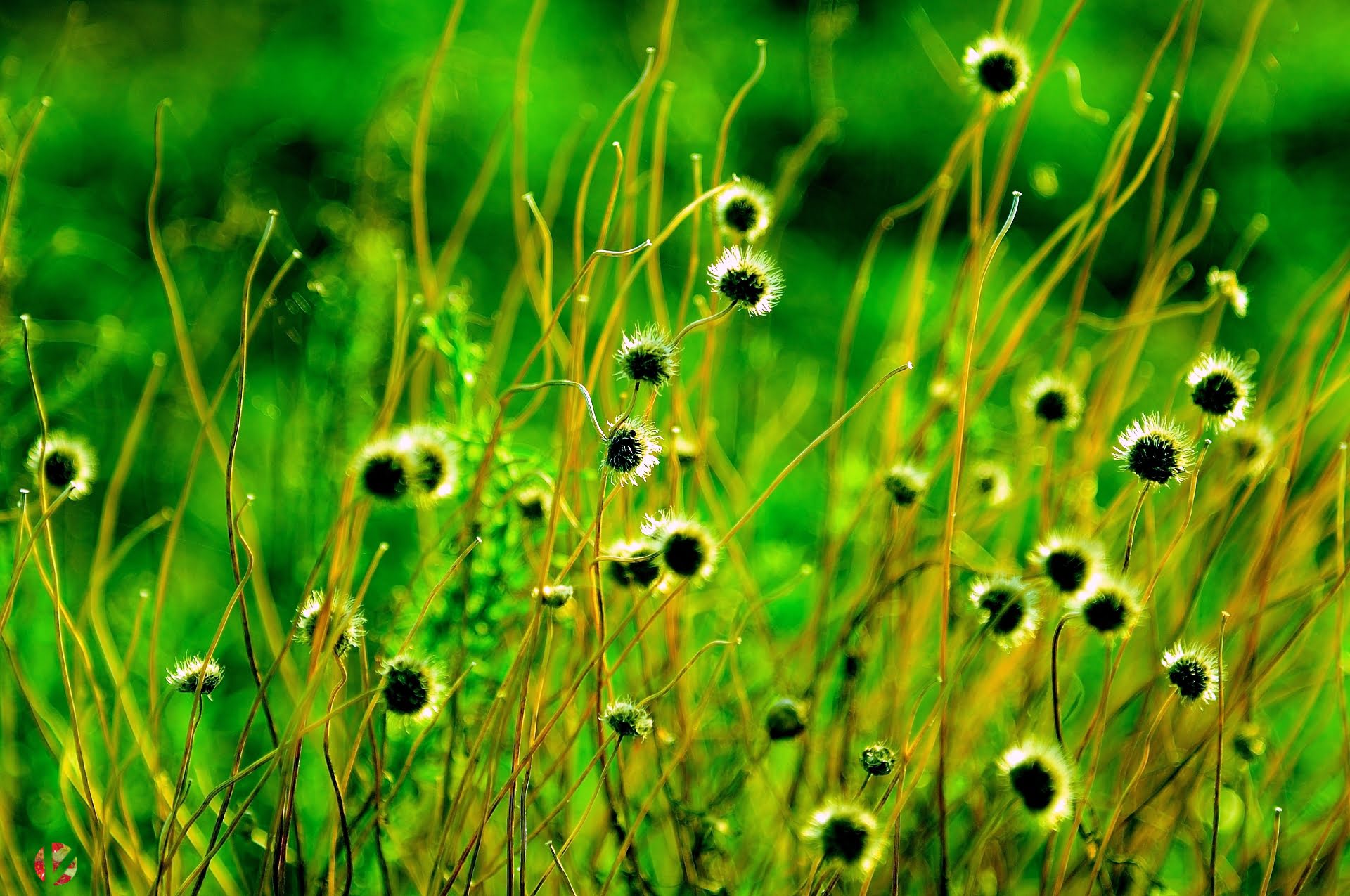
As March arrives on nature’s calendar, the unfolding days remind us that one of the most perilous periods in nature occurs precisely at this threshold where winter turns into spring.
To borrow the catchphrase of a once-viral YouTube persona: “Break your chains!”
In subtropical regions, this seasonal transition might merely cause runny noses or achy, arthritic joints. But for snow-bound countries, the hazards brought by unexpected early snowmelt can be far more catastrophic than one might imagine.
This is especially true in an era of accelerating global warming. Scientists comparing satellite imagery of the Himalayas over the past century have discovered that melting glacial ice has formed hundreds of precarious glacial barrier lakes of varying sizes.
The director of a monitoring center in Kathmandu once stated: “A dam breach is bound to happen; it is only a question of when.” Shockingly, nearly ten of these colossal moraine-dammed lakes sit directly upstream from densely populated urban settlements.
Years ago, Mizuc visited an overseas country during the mid-transition between late winter and early spring. Snow was nowhere to be seen in the streets. Yet during a morning chat with a friendly hostel receptionist at the local YHA, she revealed a heartbreaking truth: “It snowed on the next block last night.”
As the popular folk proverb goes: “Spring has a stepmother’s heart”—its capricious, fickle skies always leave one at a loss for words.
When people speak of spring, poetry and literature herald it as a season rich with vital life and rebirth.
Yet viewed from another perspective, that surging vitality also means it is the season when spiders and cockroaches begin roaming rampant, and multi-legged or winged creepers multiply aggressively, invading homes and living rooms—a reality that is hardly endearing.
For all these reasons, I find myself eagerly wishing that summer would hurry up and arrive.
Support Independent Perspectives & In-Depth Insights
Every thoughtful analysis and candid critique comes from our dedication to truth and quality. We choose not to follow sensational algorithms or clickbait headlines.
Sustaining independent research requires reader support. Make a one-time or monthly contribution, securely processed by Google.
Payments secured by Google · Manage or cancel anytime in your Google Account


Comments