
When traveling or on business across Southeast Asian countries like Thailand and Vietnam, you will often notice a large bucket filled with water accompanied by a plastic dipper or ladle sitting right beside the toilet bowl. First-time travelers might reasonably assume this is a traditional cultural practice—an eco-friendly bidet system using scooped water to wash yourself instead of wasting toilet paper.
Wrong! That is not what it is for. While manual cleansing with water is traditional in parts of South Asia like India, even there the standing water in that large bucket is not meant to be ladled directly over yourself.
So what is this water bucket actually for?
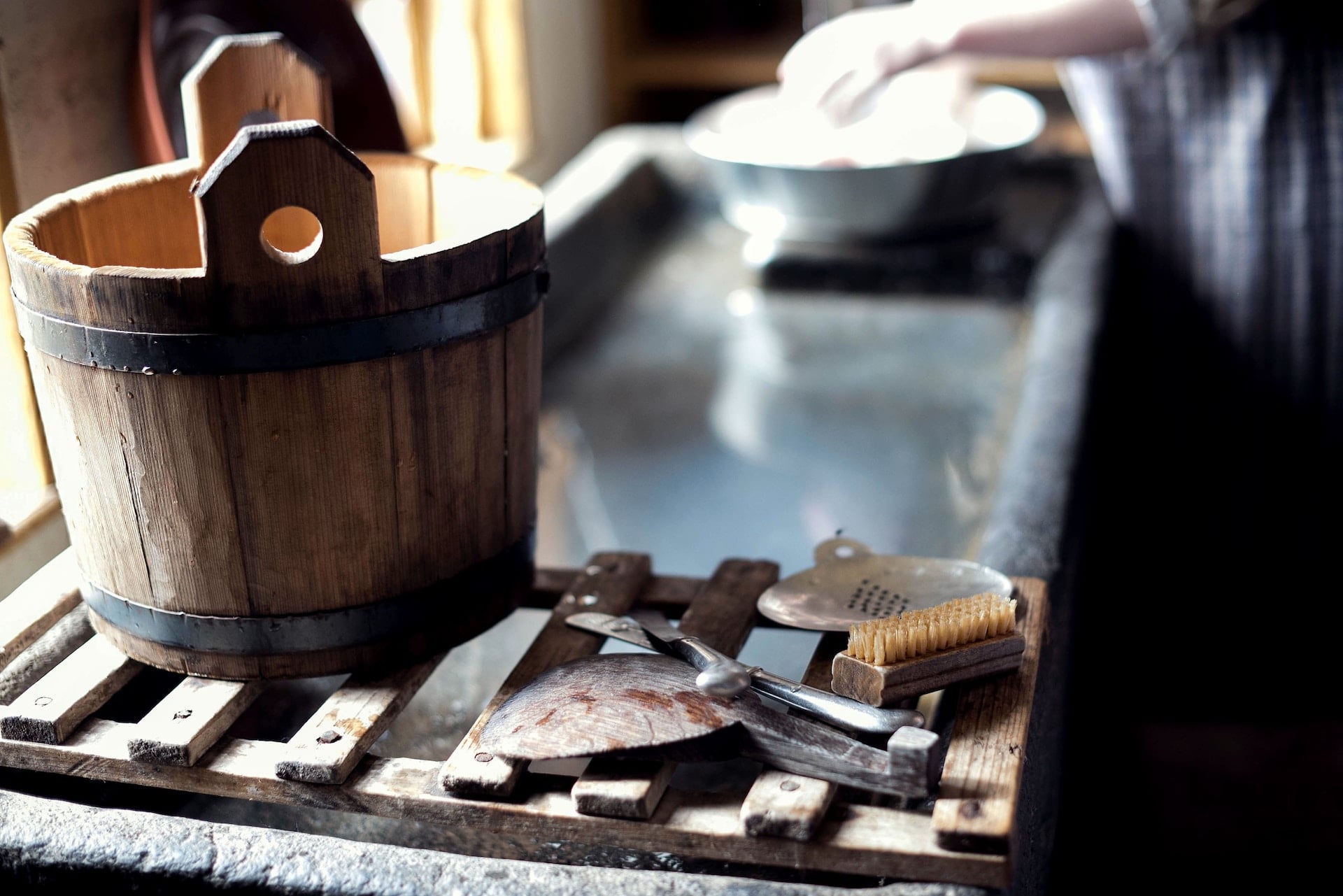
These buckets vary in size and material. You will spot them not only in modest family homes and guesthouses, but also along rural highway rest stops, train stations, and even restrooms in museums and tourist attractions that emphasize public hygiene. The buckets are replenished either via an adjoining low faucet or topped up manually on a regular schedule by cleaning staff.
While the custom of placing water buckets dates back generations, their modern primary function is simply manual toilet flushing. That is why there is a large plastic ladle—it is meant to dump water into the bowl to flush waste away, not for washing your bottom or taking a sponge bath.
I definitely won’t admit that this article was written purely to tease a gullible friend who genuinely scooped bucket water to wash their rear end.
You might wonder: if a restroom already features a modern flush toilet with an intact cistern tank, why is there still a full bucket standing next to it?
In developing regions, municipal electrical grids and municipal water pressure can experience sudden outages or fluctuations—unlike in Taiwan where power networks have historically maintained steady baseload supply. Whenever localized power or pump failures disrupt municipal water lines, the toilet tank cannot refill. When that happens, this bucket of water serves as the indispensable manual backup flush.
Thailand originally planned to construct five nuclear power plants between 2020 and 2025 to secure stable baseload electricity for its growing population. However, following the 2011 Fukushima Daiichi nuclear accident in Japan, the projects were placed on indefinite hold.
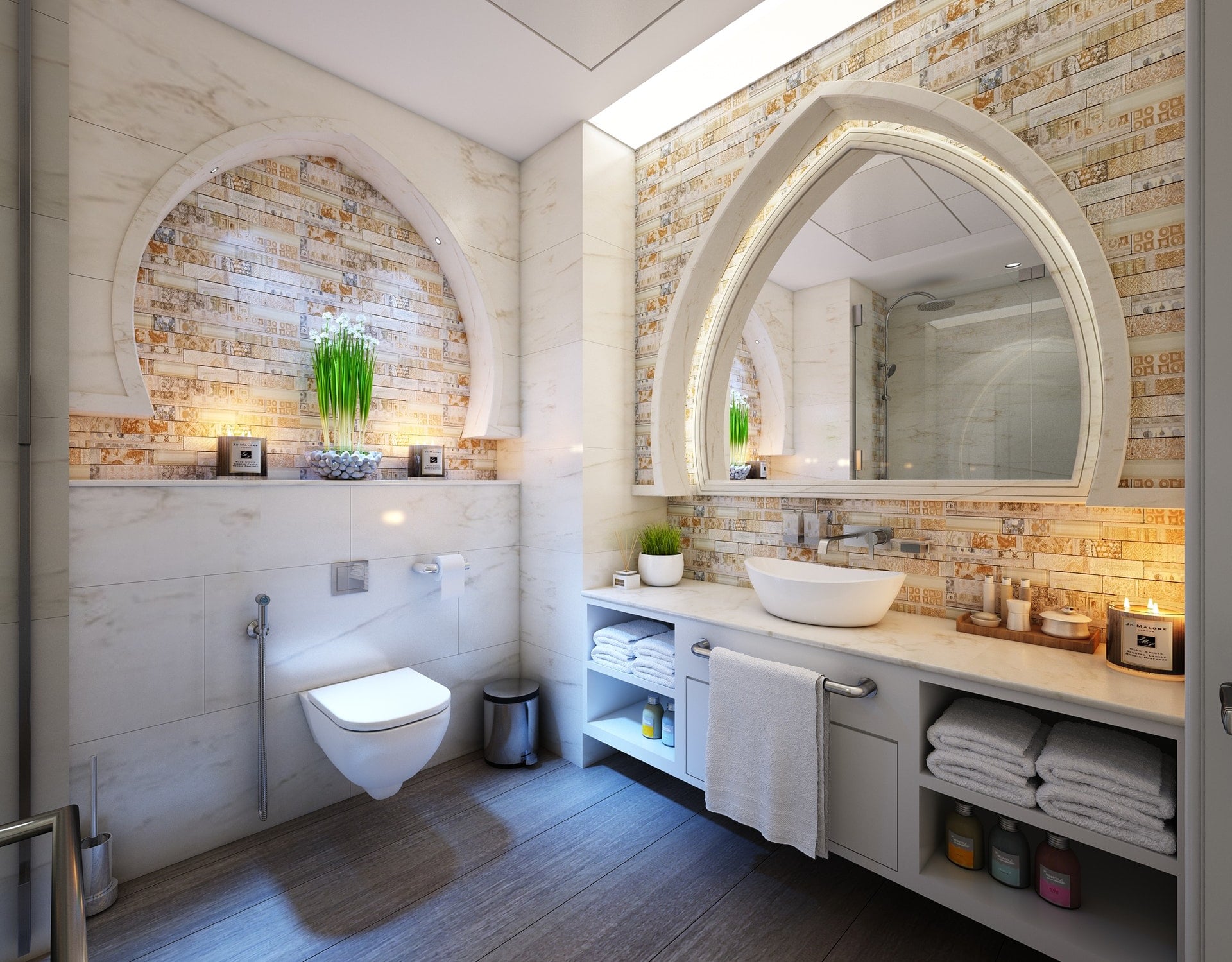
Incidentally, in Southeast Asia and parts of India, even though the bucket is for flushing, you will frequently find a handheld bidet sprayer attached to a flexible hose beside the commode (pictured below). That handheld sprayer—often nicknamed the "**bum gun**"—is indeed designed for personal cleansing (and convenient for female hikers freshening up[3]). In many ways, it was the functional precursor to the modern Japanese washlet bidet.
Travel Guide
- Thailand Accommodation: Search and book discounted hotel rates in Thailand.
- Vietnam Accommodation: Search and book discounted hotel rates in Vietnam.
- In outdoor trekking jargon, when nature calls, women euphemistically say they are going to
"**pick flowers**"while men say they are going to"**shoot wild pheasants**".
Support Independent Perspectives & In-Depth Insights
Every thoughtful analysis and candid critique comes from our dedication to truth and quality. We choose not to follow sensational algorithms or clickbait headlines.
Sustaining independent research requires reader support. Make a one-time or monthly contribution, securely processed by Google.
Payments secured by Google · Manage or cancel anytime in your Google Account


Comments