
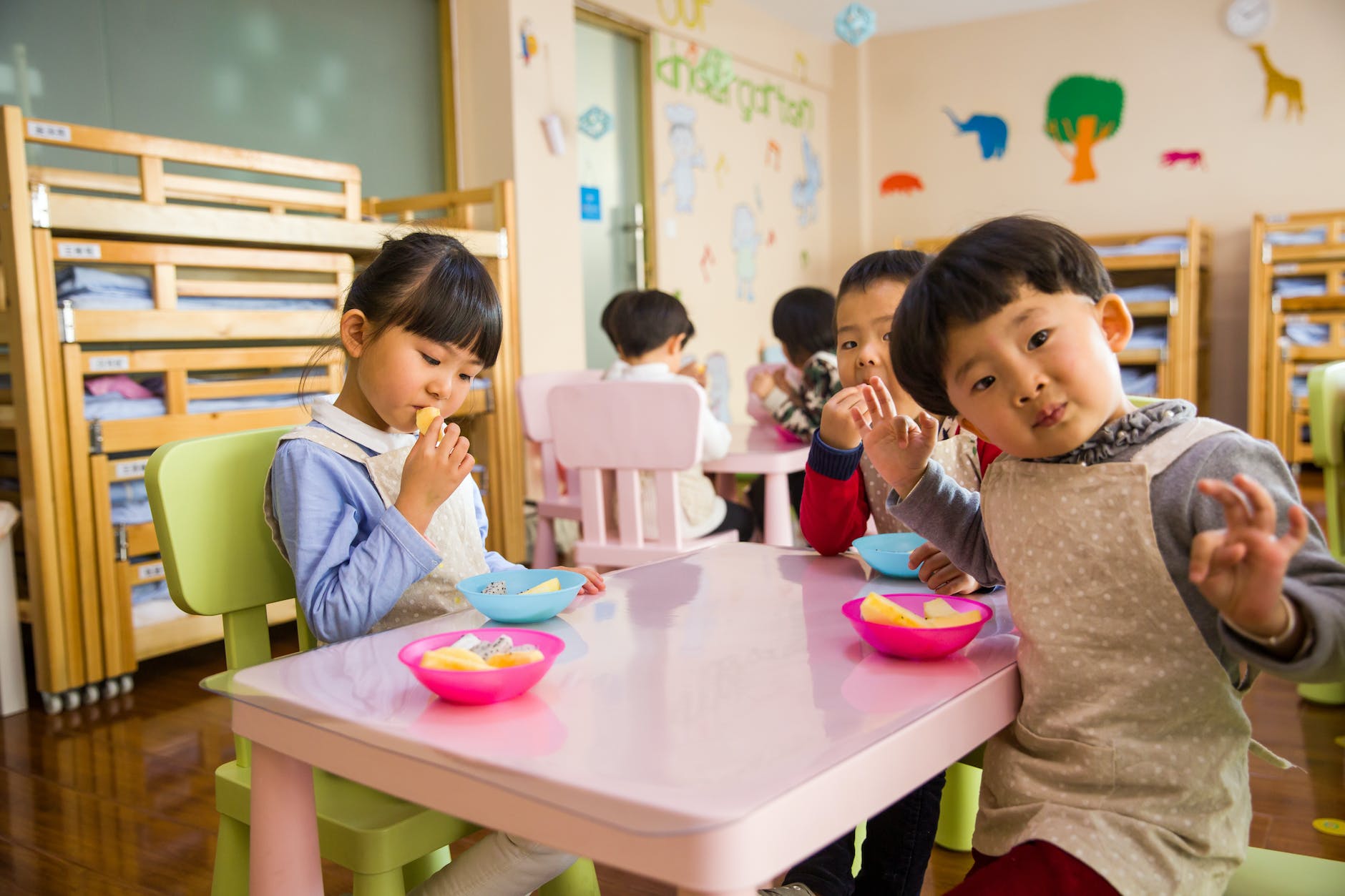
Choosing a suitable kindergarten (also known as a preschool or nursery) is crucial for parents, but from well-known brand names to management styles, there are many factors to consider. This article will share some basic principles to help parents make wise decisions when choosing a chain kindergarten.
Principle One: Don’t Be Blinded by a Well-Known Brand Name
A well-known brand name does not mean everything, because a chain franchise sign can be put up for a fee. When choosing a kindergarten, parents should look beyond the surface image and gain an in-depth understanding of the school’s actual situation and operating model.
Principle Two: Seek Schools That Are Willing to Disclose the Facts
Choosing a school willing to fully disclose the facts is key. This means they are willing to transparently share the management differences between franchised branches and directly operated branches. Schools that disclose the facts are willing to provide parents with more information about teaching quality, faculty conditions, and safety management.
Principle Three: Understand the Differences in Management
There may be differences in the management of chain kindergartens. Directly operated branches are usually more thorough in safety inspections and management in all aspects, while franchised branches may only take things seriously when their renewal qualification is being inspected. By understanding these differences, parents can better choose a suitable kindergarten.
Principle Four: Value the Faculty Conditions
The stability and turnover of faculty are crucial to a kindergarten’s teaching quality and the care of children. Directly operated branches usually have lower turnover, and teachers who stay long-term at directly operated branches are better suited to caring for children. Understanding the kindergarten’s faculty conditions will help you make a better choice.
Principle Five: Teaching Methods and Curriculum Content
Understand whether the kindergarten’s teaching methods and curriculum content align with your values and expectations for your child’s education. An excellent kindergarten should focus on holistic development, provide appropriate learning opportunities and challenges, and encourage children’s creativity and curiosity.
Principle Six: Safety and Hygiene Measures
Understand in detail the kindergarten’s safety and hygiene measures, including fire prevention, anti-theft, and emergency response. A good kindergarten should have strict safety standards and implementation rules to ensure children’s physical and mental health and safety.
Principle Seven: Parent Participation and Communication Mechanisms
Consider whether the kindergarten values parent participation and communication, such as holding parent meetings, parent workshops, or providing regular reports. Such interaction and cooperation can promote a good cooperative relationship between parents and the kindergarten, jointly focusing on children’s development and needs.
Principle Eight: Facilities and Resources
Assess whether the kindergarten’s facilities and resources can provide a good learning and growth environment, including classrooms, play areas, libraries, music rooms, and so on. High-quality kindergartens usually invest in providing advanced learning resources and facilities to support children’s diverse development.
Principle Nine: Reputation and Reviews
Gather the reputation and reviews of other parents and the community to understand their views and experiences of the kindergarten. This can provide practical user feedback and reference, helping you better evaluate the kindergarten’s quality and value.
Conclusion
Looking at the choice of a chain kindergarten from a factual perspective, it is wise to choose a school that is willing to disclose the facts, has proper management, and has stable faculty. Parents can, by studying relevant research reports and communicating with other parents, gain a more comprehensive understanding of each kindergarten’s situation to ensure their child receives a safe, high-quality educational environment. At the same time, factors such as teaching methods, safety and hygiene, parent participation, facilities and resources, and reputation and reviews should also be considered to provide more comprehensive guidance. Through an in-depth understanding of the kindergarten’s actual situation, reference to relevant research reports, and additional considerations, you will be able to make a wise choice and lay a good educational foundation for your child.
Support Independent Perspectives & In-Depth Insights
Every thoughtful analysis and candid critique comes from our dedication to truth and quality. We choose not to follow sensational algorithms or clickbait headlines.
Sustaining independent research requires reader support. Make a one-time or monthly contribution, securely processed by Google.
Payments secured by Google · Manage or cancel anytime in your Google Account




Comments