
For frequent travelers constantly on the move, choosing lodging and stepping into a hotel room often comes with personal preferences and superstitions. The more seasoned the traveler, the more attention they tend to pay to these unwritten rules.
I have always been relatively thick-skinned and carefree when traveling. Regardless of the lodging—be it boutique B&Bs, star-rated hotels, business lodgings, vintage Japanese-style inns, or backpacker hostels, or even roughing it outdoors when rooms are fully booked during peak season—I can usually fall asleep in seconds. Yet my travel companions, to varying degrees, often take traditional folklore, feng shui, and supernatural taboos quite seriously.
Urban Legend No. 1: The Open Bible in the Room
Ask anyone about the most widely known hotel taboo, and the number one spot undoubtedly belongs to “the Bible in the hotel room”—especially one that has been “deliberately left open.”
The exact origin of this urban legend is difficult to trace. However, back in the golden era when Hong Kong horror and supernatural films were at their peak, virtually every script involving eerie lodgings in the wilderness featured this spine-chilling trope.
As for why Western hotels place Bibles in drawers (a charitable initiative started by Gideons International) and why rumors say an “open Bible” signifies that something tragic or unsettled once occurred in the room—most people understand the implied meaning, so there is no need to embellish further.
Yet such legends are not limited to Western traditions.
I remember once traveling with friends through Hualien and Taitung, staying at an old-school local hot spring inn. Pulling open a dresser drawer scented with damp wood, what met my eyes was an aged, yellowed Buddhist sutra lying neatly inside!
Set against the dim lighting, peeling wallpaper, and the faint scent of sulfur drifting through the window, my inner rationalist and atheist felt no fear at all. In fact, I secretly wondered whether we might actually experience some kind of “supernatural encounter” that night.
Room Selection Nuances: Avoid Corner Rooms, Skipped Floors, and Mysterious Talismans
In general lodging wisdom, the most common piece of advice is: “try to avoid the corner room at the far end of the hallway.” Corner rooms typically have lower occupancy rates, receive less sunlight and ventilation over time, and are said to accumulate colder, darker energy.
Beyond corner rooms, an even more crucial rule is: never choose a room that triggers an uncomfortable intuitive hunch or a heavy sense of oppression.
Taking that hot spring inn in Hualien-Taitung as an example: we arrived very late in the small town, with no choice but to pick an open inn along the street. The innkeeper casually handed us a key, announcing that our room was on the fifth floor, room number 6.
Anyone familiar with local customs in Taiwan will immediately notice why I paused at “fifth floor.”
In local construction numbering habits, buildings often deliberately skip the “fourth” floor due to its homophonic resemblance to death, jumping directly from three to five—much like Western buildings avoiding the number 13.
In other words, we were physically staying on the fourth floor! What’s more, the room directly across from us was number 5 (having skipped room 4 as well).
On an actual fourth floor with skipped numbers across the hall, it seemed only natural that sensitive travelers might let their imaginations run wild.
Even more intriguing: when we curiously nudged the number plate of room 6 upwards at the door, we discovered a faded yet distinct cinnabar-inked warding talisman hidden right between the loose metal plate and the wooden door seam!
My travel companion froze on the spot, but my pragmatic side prevailed. In the end, we did not go downstairs to request a room change—partly because the innkeeper had already stated earlier that this was the last vacant room for the night, and partly because driving all day had exhausted us too much to hunt for a new place at midnight.
Nonetheless, if your sixth sense triggers an overwhelming, uncomfortable “vibe” the moment you push open a door, trust your intuition and ask the front desk for a room change immediately (unless you are as thick-skinned as I am).
Traveler’s Essential: The 7-Step Check-In SOP
Aside from room selection intuition, travelers over generations have cultivated a well-established “Standard Operating Procedure (SOP)” when entering a hotel room.
Whether you believe in unseen presences or not, these seven actions actually carry very practical, scientific value in terms of modern safety and hygiene:
| Step No. | Check-In SOP Action | Folk Custom Meaning | Modern Practical & Safety Rationale |
|---|---|---|---|
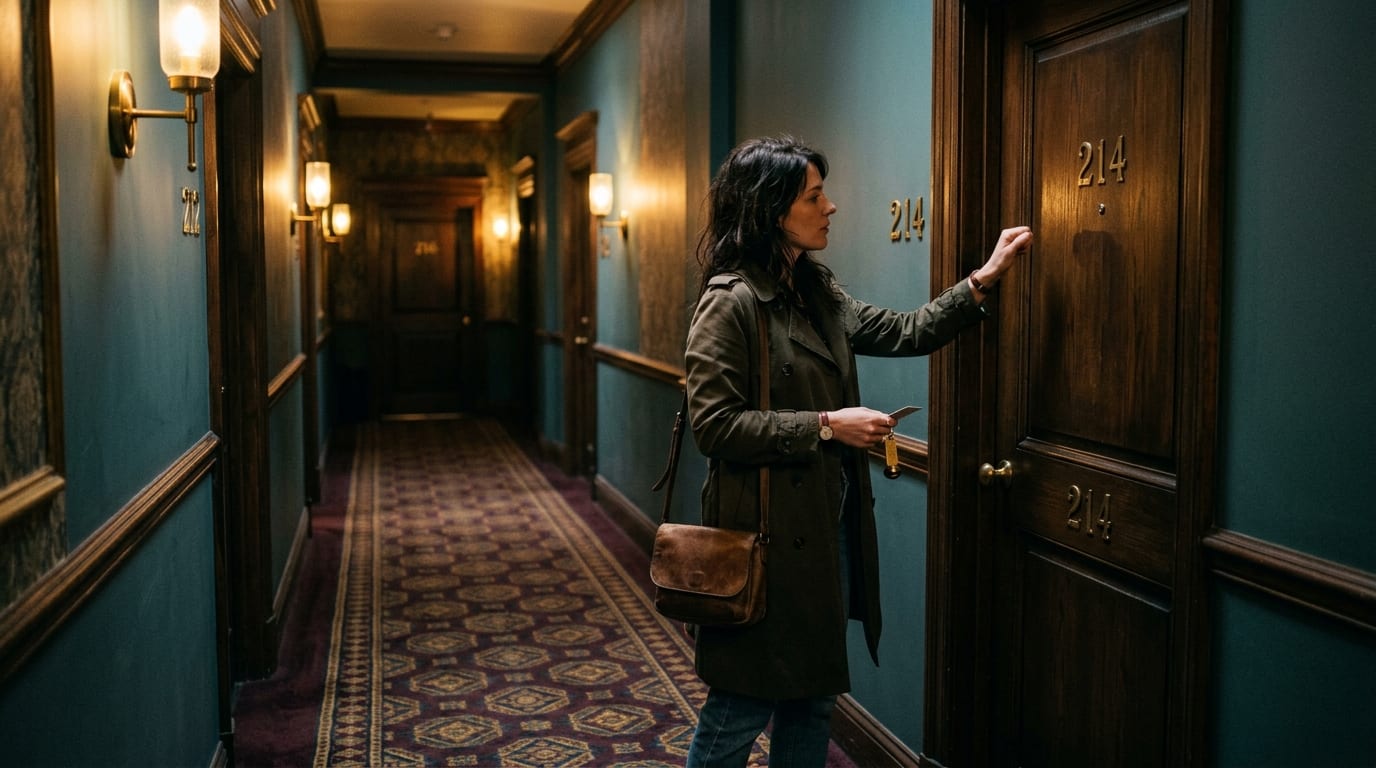
| 01 | Knock three times, then step aside before entering | Symbolizes asking for permission to borrow the space, softly murmuring courtesy, and stepping aside to let unseen occupants depart. | Prevents startling housekeeping staff inside or handling duplicate key errors; grants occupants time to react and prevents door impact injuries. |
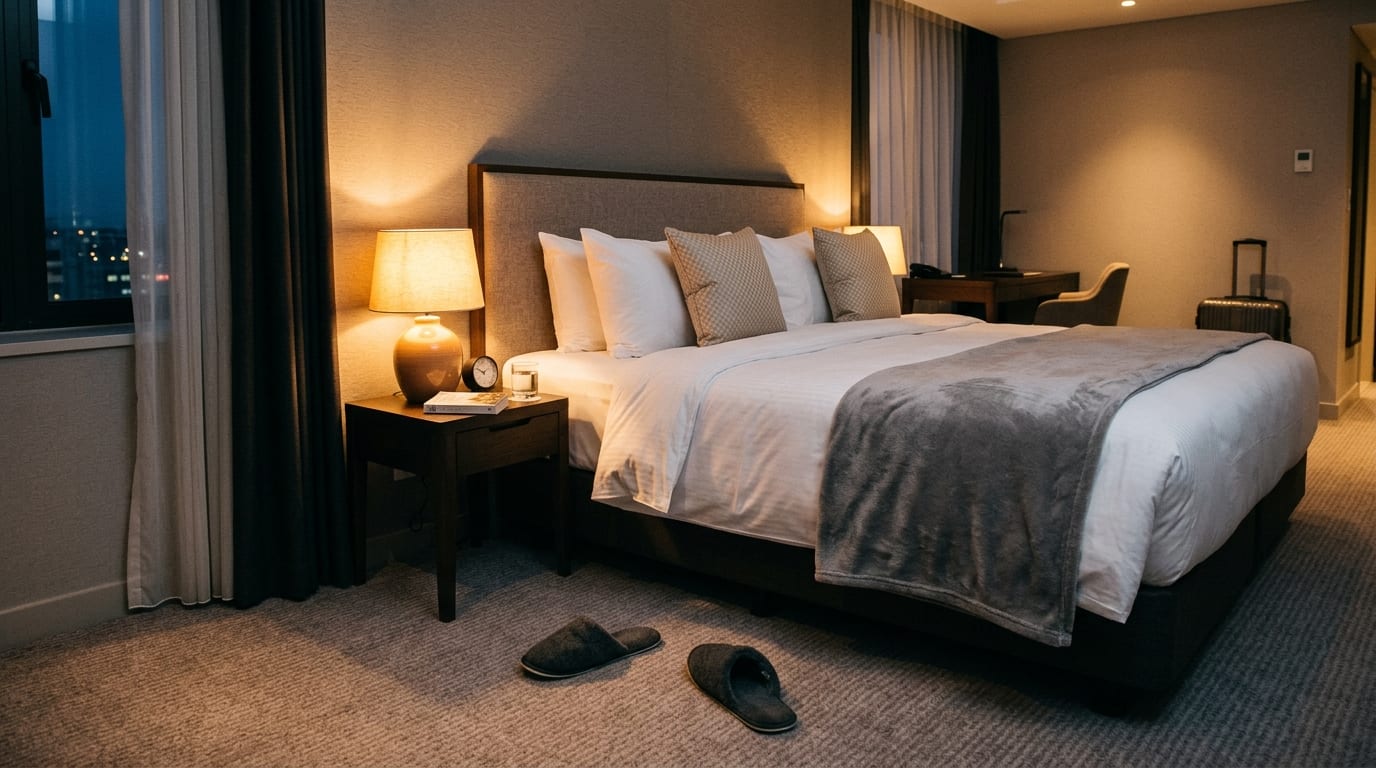
| 02 | Place slippers one facing in, one facing out | Avoid pointing shoes neatly toward the bed (folklore says spirits might step into them to climb up); place them casually or inverted. | Casual arrangement breaks subconscious tension; inverted placement makes slipping into shoes effortless when getting up at night. |
| 03 | Turn on bathroom lights, open the door, and flush the toilet | Dispels dampness and chill, while flushing symbolizes washing away stagnant energy and bringing in fresh vitality. | Flushes stagnant water and sewer gases out of plumbing traps; verifies that water supply and drainage function properly. |
| 04 | Inspect and open all closets and drawers | Checks dark compartments, claiming the space and ensuring no unseen entities linger in gloomy corners. | Ensures previous guests left no hazardous items or disturbing opened scriptures, and helps detect hidden spy cameras. |
| 05 | Avoid four unlucky bed positions | Avoid beds facing directly toward the entrance, bathroom door, large dressing mirror, or large TV screen. | Avoids cold drafts from the entryway; prevents being startled by shadows and reflections in mirrors or dark screens when waking up at night. |
| 06 | Always drain the bathtub after soaking | Stagnant water gathers heavy, humid energy; pulling the plug lets running water carry away lingering residue. | Prevents the bathroom from staying humid and steamy all night, guarding against slippery floors, condensation, and mildew. |
| 07 | Keep a soft nightlight on by the bed or entryway | Avoid complete darkness at night; keep a soft light on to preserve vitality and guard the room. | Prevents trips and falls in unfamiliar surroundings; allows instant identification of evacuation routes in case of fire or earthquake. |
Conclusion: A Clear Conscience Brings Sound Sleep
As the old proverb wisely observes: “A quiet conscience sleeps in thunder.”
When away on journeys, staying in a hotel is merely a temporary resting stop on life’s path. These time-honored check-in rituals and small actions serve fundamentally as a “psychological soothing mechanism” that eases anxiety in unfamiliar environments, cleverly blending with modern common sense for self-protection while traveling.
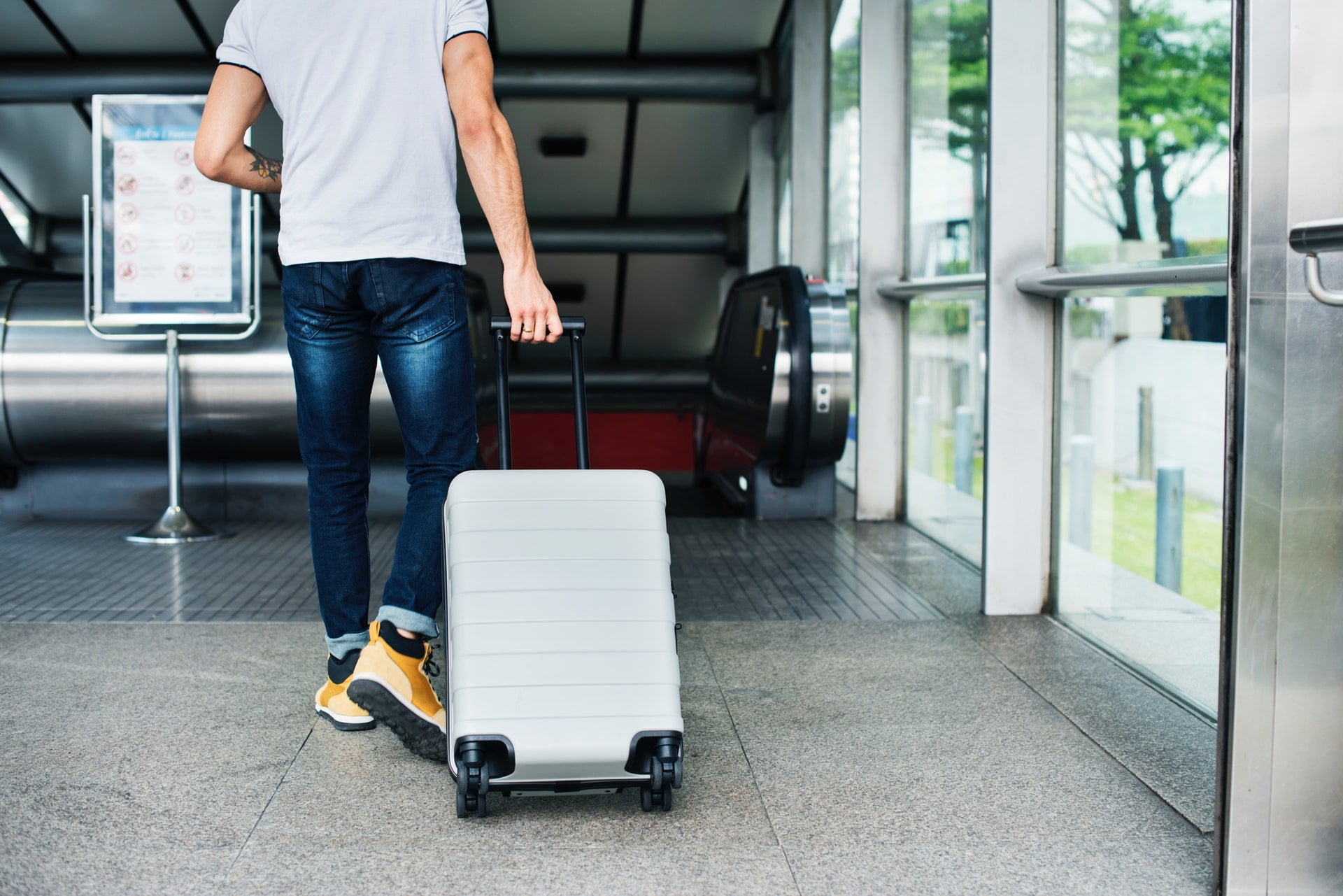
Next time you wheel your suitcase up to a hotel room door and feel a slight pang of unease, consider following this SOP with a respectful mindset—after all, when your mind is at ease, every night away from home brings sound, restorative sleep!
Support Independent Perspectives & In-Depth Insights
Every thoughtful analysis and candid critique comes from our dedication to truth and quality. We choose not to follow sensational algorithms or clickbait headlines.
Sustaining independent research requires reader support. Make a one-time or monthly contribution, securely processed by Google.
Payments secured by Google · Manage or cancel anytime in your Google Account


Comments