

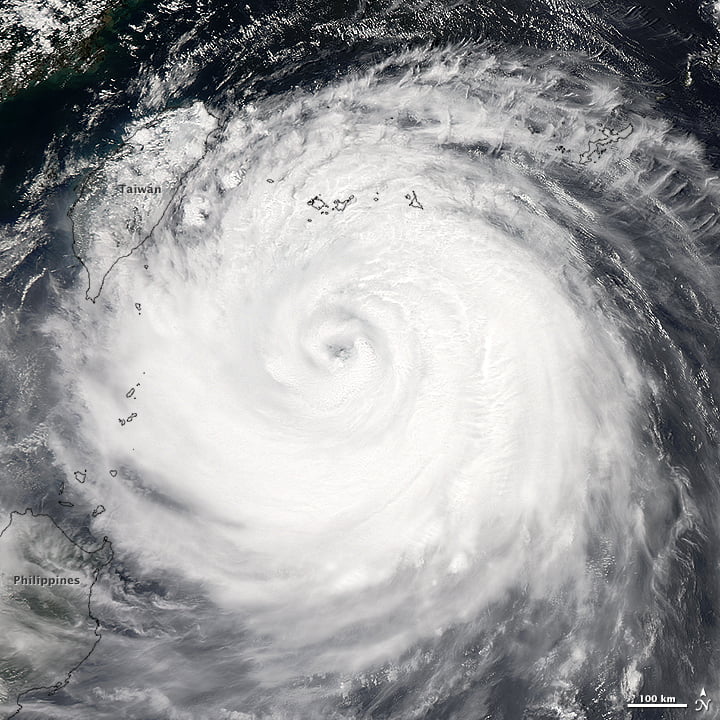
Whenever severe torrential downpours strike or typhoons sweep in from the Western Pacific, knowing how to remediate flood-damaged properties and prevent infectious disease outbreaks is vital public health knowledge in subtropical and tropical regions.
The Centers for Disease Control (CDC) recommends three essential environmental sanitation principles following heavy rainstorms:
1. Clean Up with Waterproof Boots and Heavy-Duty Gloves
Post-flood cleanups generate debris, sewage, and mud accumulation. When clearing standing muck, always wear rubber rain boots or waterproof tall boots, puncture-resistant rubber gloves, and protective face masks. Exercise extreme caution against stepping on rusted nails or sharp metal debris to prevent contracting leptospirosis, melioidosis, and tetanus.
If you develop fever, headache, muscle aches, abdominal pain, diarrhea, jaundice, or severe fatigue after cleanup, seek medical care immediately. Inform your physician of your exposure to floodwaters, injuries sustained, and wound contamination history to facilitate timely diagnosis and antibiotic therapy.
2. Drain, Clean, and Disinfect to Halt Vector-Borne Diseases
Because summer storm surges coincide with peak dengue fever season, eliminating mosquito breeding sites after typhoons is paramount. Proactively inspect surroundings to overturn and discard water-holding containers—such as discarded tires, tin cans, tarpaulins, plastic bottles, and potted plant trays.
Wash walls, tiled floors, and waterlogged furniture with soap and clean water. For flooded kitchenware, utensils, and indoor living surfaces, disinfect using a 1:100 dilution of standard household bleach (5–6% sodium hypochlorite).
3. Boil Drinking Water and Ensure Food Freshness
Storm runoffs frequently contaminate municipal reservoirs and private rooftop water cisterns. Ground storage tanks and overhead water towers must be thoroughly drained, scrubbed, and disinfected before refilling, and drinking water must be brought to a rolling boil before consumption.
Never consume food that has been immersed in floodwater or thawed in defunct refrigerators during power outages. Always boil kitchenware and tableware in hot water prior to food preparation.
Support Independent Perspectives & In-Depth Insights
Every thoughtful analysis and candid critique comes from our dedication to truth and quality. We choose not to follow sensational algorithms or clickbait headlines.
Sustaining independent research requires reader support. Make a one-time or monthly contribution, securely processed by Google.
Payments secured by Google · Manage or cancel anytime in your Google Account

Comments