
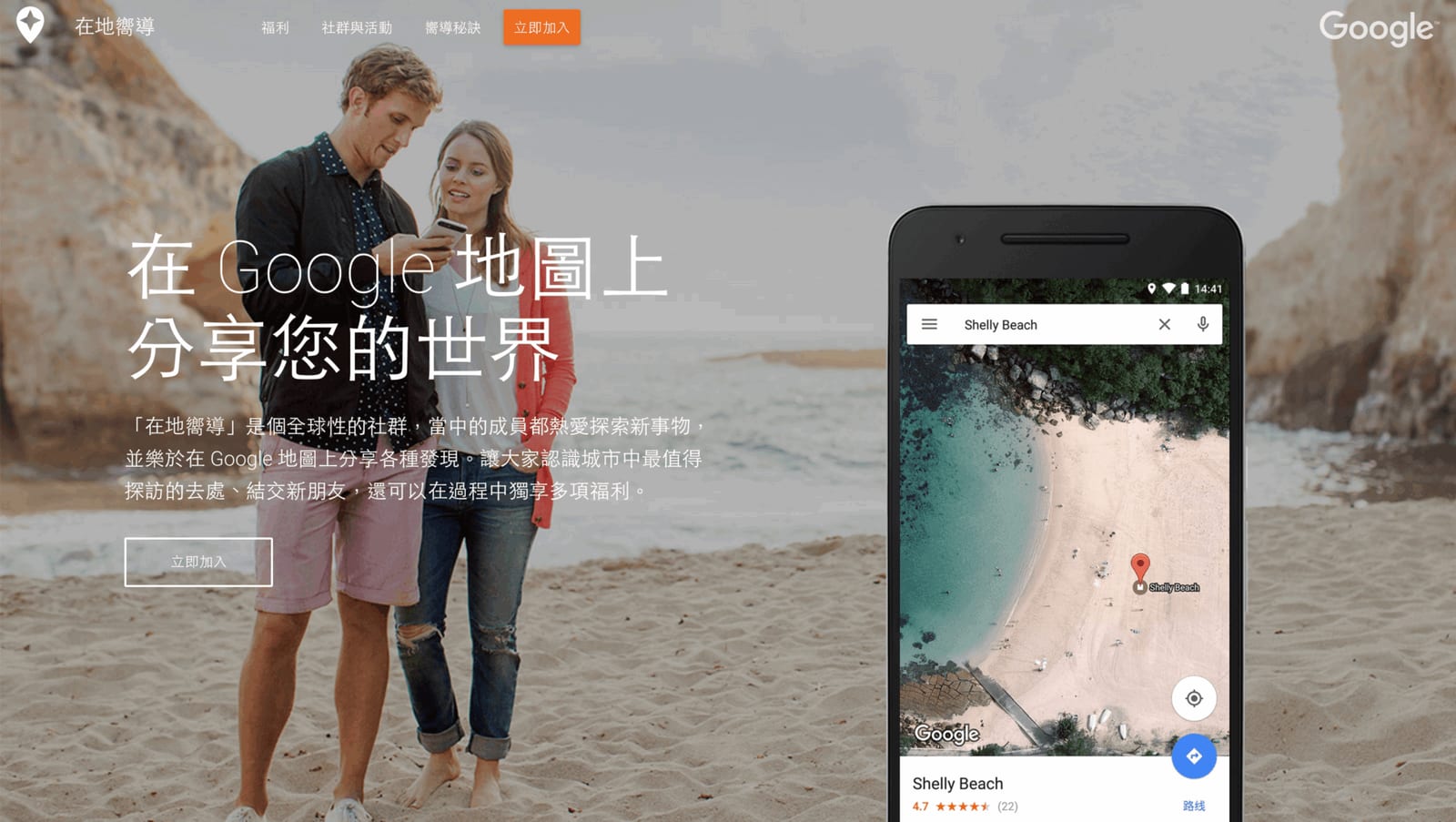
When traveling, hunting for culinary hidden gems, or looking for everyday services, opening Google Maps to inspect star ratings and customer reviews has become an automatic reflex for modern consumers. Establishments rated 4.5 stars and above are celebrated as must-visit destinations, while those slipping below 3.8 stars are routinely avoided.
Ever since Google launched its Google Local Guides program, gamified incentives—such as points, badges, and status tiers—have motivated millions of users worldwide to upload photos and reviews, driving exponential growth in Google’s geospatial big data.
However, crowd-sourcing cuts both ways. When review systems become intertwined with virtual vanity, point farming, and personal grievances, the objective credibility of Google Maps star ratings quietly begins to erode. Based on long-term observation: You can at best trust Google Local Guide ratings 70% of the time; the remaining 30% demands your own independent thinking and common sense.
1. A Restrained Rating Philosophy: Appreciating Strengths Over Playing Web Judge
Personally, my Local Guide profile is relatively low-key: Level 4, around 300 points, over a hundred photos uploaded, but only six public written reviews.
Among those few reviews, aside from a single 1-star rating given years ago for an appalling customer experience, virtually all the rest are full 5-star ratings. As the years go by, I have increasingly approached public review systems from the perspective of "**appreciating the strengths of others**". If I encounter an unsatisfactory establishment, unless it involves egregious misconduct or food safety deception, I usually choose not to leave a review at all.
After all, a newly hired restaurant server might be having a difficult day or learning on the job, but that hardly means the kitchen’s culinary craft, ingredients, and hard work over a decade are worthless. Demolishing a small family business’s reputation with a few spiteful keystrokes is unnecessarily harsh and devoid of empathy.
2. A Gallery of Bizarre Reviews: When Local Guides Become Arenas for Venting Prejudice
While some users approach reviews with restraint, others review obsessively. When Google introduced status tiers and gamified badges, many reviewers lost sight of helping the community, turning reviews into "**point-farming for XP**" or weapons for flaunting superiority.
Case 1: The “Manager” Reviewer at McDonald’s
Looking for late-night food, I checked whether a nearby McDonald’s was open 24 hours. In the review section, a Level 6 Local Guide (with 4,300 points and over 300 reviews) who called himself “Manager” left a scathing 1-star review:
"In America, only uneducated fools eat McDonald's, yet in Taiwan it's treated like a delicacy. Their food is packed with MSG, artificial flavorings, and chemical preservatives!"
Setting aside the vitriol, this statement collapses under factual examination:
- Factual Reality: High-profile figures including Warren Buffett, Bill Gates, Mark Zuckerberg, and several former US presidents are famously devoted fans of McDonald’s—are they all “uneducated fools”?
- Food Science: Multinational fast-food supply chains enforce strict traceability, oil monitoring, and microbiological testing, making them far more standardized than many unregulated street vendors. Furthermore, McDonald’s burger patties and fries do not contain added MSG.
- When a prominent Level 6 Local Guide simply regurgitates content-farm myths, what credibility remains in their ratings?
Case 2: Rating Tamsui Mazu Temple for “Noise and Air Pollution”
Looking through this reviewer’s public history reveals striking cultural intolerance. He awarded a 1-star review to the historic Tamsui Mazu Temple, complaining:
"True gods do not command people to produce air and noise pollution. Most people around the world don't burn firecrackers, ghost money, or incense, and are they worse off than people in Taiwan? Visit developed countries and ask how many attend temple festivals."
This commentary ignores the cultural evolution of folk traditions. Developed Western nations host vibrant carnivals, saint day processions, Independence Day fireworks, and street parades. Dismissing centuries of communal folk heritage reflects narrow prejudice rather than helpful guidance for travelers.
Case 3: Fluctuation Over Convenience Store Clerks
Even more illustrative was his recurring commentary on a local convenience store:
- First review: 1 star, criticizing a female clerk’s attitude.
- Months later: edited to praise a new male clerk, but stating he
"would only raise the score to 5 stars once the female clerk resigned". - Six months later: encountered another clerk he disliked, dropping it back to 1 star.
- Other 1-star reviews included: “Dessert was too sweet (sugar is bad for health)”, “Could not taste the difference between $2,000 and $500 fish at the aquarium”, “Wheel cakes cost NT$15 each which is too expensive”, and “The cashier didn’t say thank you”.
3. Three Systemic Flaws in Google Maps Reviews
Such eccentric reviews proliferate because of structural issues within the platform:
- The Gamification Trap: Points and badges turn reviews into an RPG grinding experience. Users race to level up by leaving superficial or uninformed remarks on places they barely visited.
- Negativity Bias: Psychological research indicates people are over five times more motivated to vent online following negative experiences than to praise positive ones. Satisfied patrons quietly walk away, while disgruntled customers write lengthy diatribes, statistically inflating negative signals.
- Sluggish and Passive Dispute Moderation: Automated algorithms filter spam, but AI struggles to detect subjective spite devoid of profanity. Merchants facing malicious 1-star reviews find the appeals process sluggish and unresponsive.
4. How to Read Google Reviews Smartly: 4 Practical Filters
To filter out the noise and find reliable establishments:
- Filter 1: Look at Review Volume, Not Just Average Stars: A 4.2-star restaurant with 1,500 reviews is generally far more dependable than a 4.9-star venue with only 30 reviews (which often stems from friends or check-in freebie promotions).
- Filter 2: Sort by “Newest” and Check “Lowest”: When reading 1-star reviews, ignore subjective gripes like “the clerk didn’t smile” or “the line was too long”. Focus instead on substantive issues: spoiled ingredients, sanitary concerns, or billing discrepancies.
- Filter 3: Inspect Reviewer Profiles: If a reviewer’s history shows 40 out of 50 reviews are 1-star rants, their feedback can safely be discounted.
- Filter 4: Beware of Five-Star Freebie Promotions: A sudden cluster of short, generic 5-star reviews with identical photos often indicates a “leave a 5-star review for a free side dish” marketing campaign.
Conclusion: Trust 70%, Explore 30% Yourself
Online reviews are a helpful starting point, but they are not infallible truth.
Missing out on a charming neighborhood bistro because of someone’s personal pet peeve is an unfortunate travel outcome. Trust Google reviews for about 70% of your decision; reserve the remaining 30% for your own taste buds and instincts, embracing the real joy of discovering the world firsthand.
Support Independent Perspectives & In-Depth Insights
Every thoughtful analysis and candid critique comes from our dedication to truth and quality. We choose not to follow sensational algorithms or clickbait headlines.
Sustaining independent research requires reader support. Make a one-time or monthly contribution, securely processed by Google.
Payments secured by Google · Manage or cancel anytime in your Google Account




Comments