
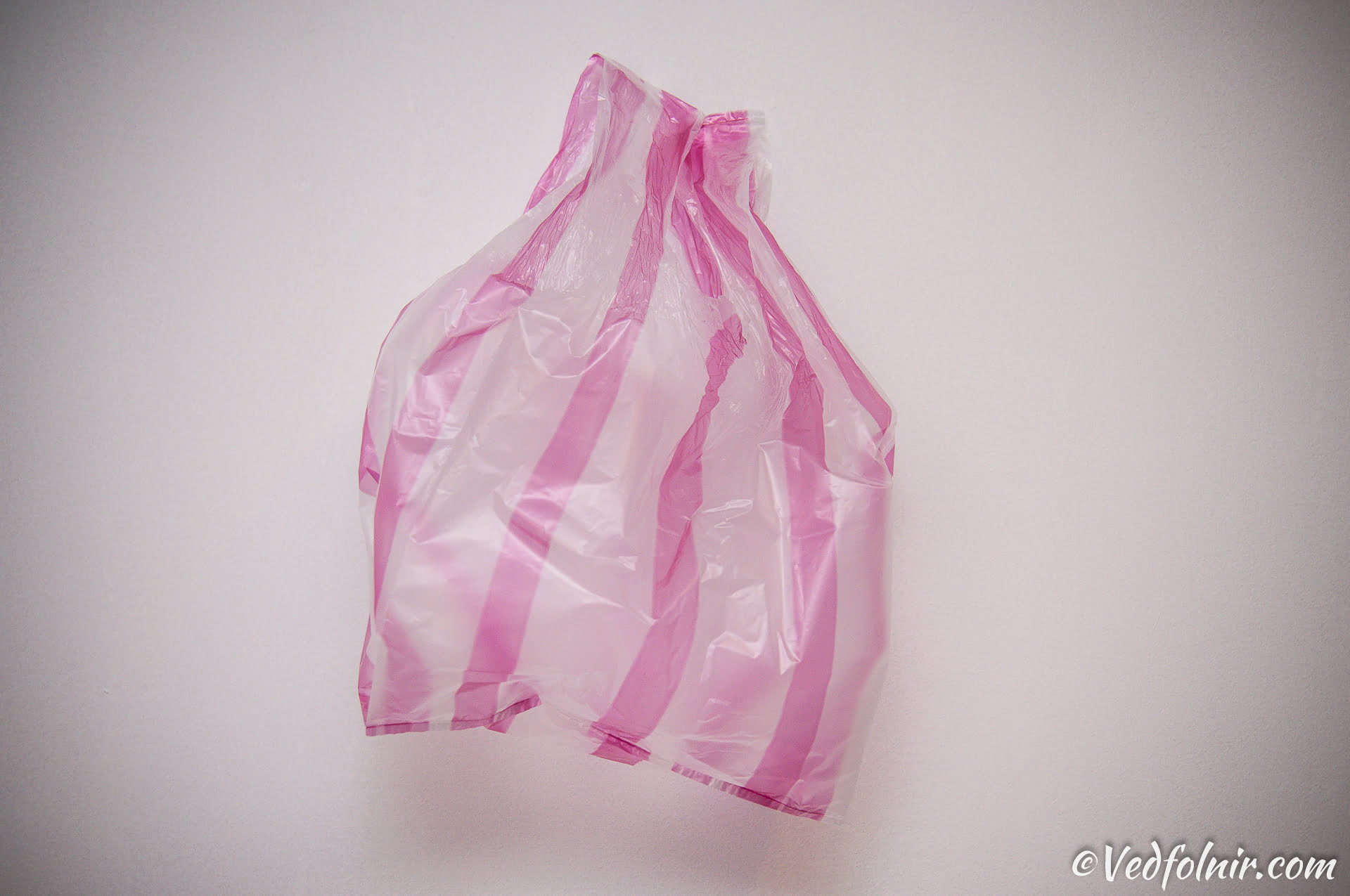
The Environmental Protection Administration (EPA) stated today that the public is often unclear about which plastic bags can be recycled, often discarding them directly without sorting. In fact, recyclability can easily be distinguished by light transmission: only translucent plastic bags can be recycled.
Plastic bags are primarily made of polyethylene (PE) or polypropylene (PP), which enhance convenience in daily life. However, if casually discarded, plastic bags—which do not decompose easily in nature—not only clog drainage ditches but also drift into rivers and marine environments where aquatic creatures mistake them for food, severely impacting the ecosystem.
Lai Ying-ying, Deputy Director of the Department of Waste Management at the EPA, Executive Yuan, stated that striped shopping bags commonly seen in traditional markets, lightweight raincoats, and transparent outer packaging bags for products or vegetables can all be recycled. On the other hand, non-translucent plastic bags made of composite materials—such as instant noodle packaging, tea bags, or biscuit bags with an inner foil or aluminum coating—cannot be recycled.
Lai Ying-ying noted that the simplest way to identify whether a plastic bag can be recycled is by checking whether it lets light pass through. If it is an opaque, non-translucent plastic bag, current technology cannot recycle it even if a recycling symbol is printed on the packaging, and it must be disposed of as general trash.
The EPA urged: “While sorting and recycling are important, avoiding use altogether is even better.” Shoppers should actively refuse plastic bags and bring their own shopping bags whenever possible. For instance, beverage cups can be carried directly by hand; breads do not necessarily need to be wrapped individually; books or stationery can be put straight into a backpack; and people dining out can bring reusable tableware to reduce the use of disposable plastic utensils.
“If everyone can use just one less plastic bag a day, millions of plastic bags could be saved daily across Taiwan,” the EPA said, adding that when everyone pays attention to the small details of daily life and actively refuses plastic bags, they are taking real action to protect the Earth’s environment.
Support Independent Perspectives & In-Depth Insights
Every thoughtful analysis and candid critique comes from our dedication to truth and quality. We choose not to follow sensational algorithms or clickbait headlines.
Sustaining independent research requires reader support. Make a one-time or monthly contribution, securely processed by Google.
Payments secured by Google · Manage or cancel anytime in your Google Account




Comments