
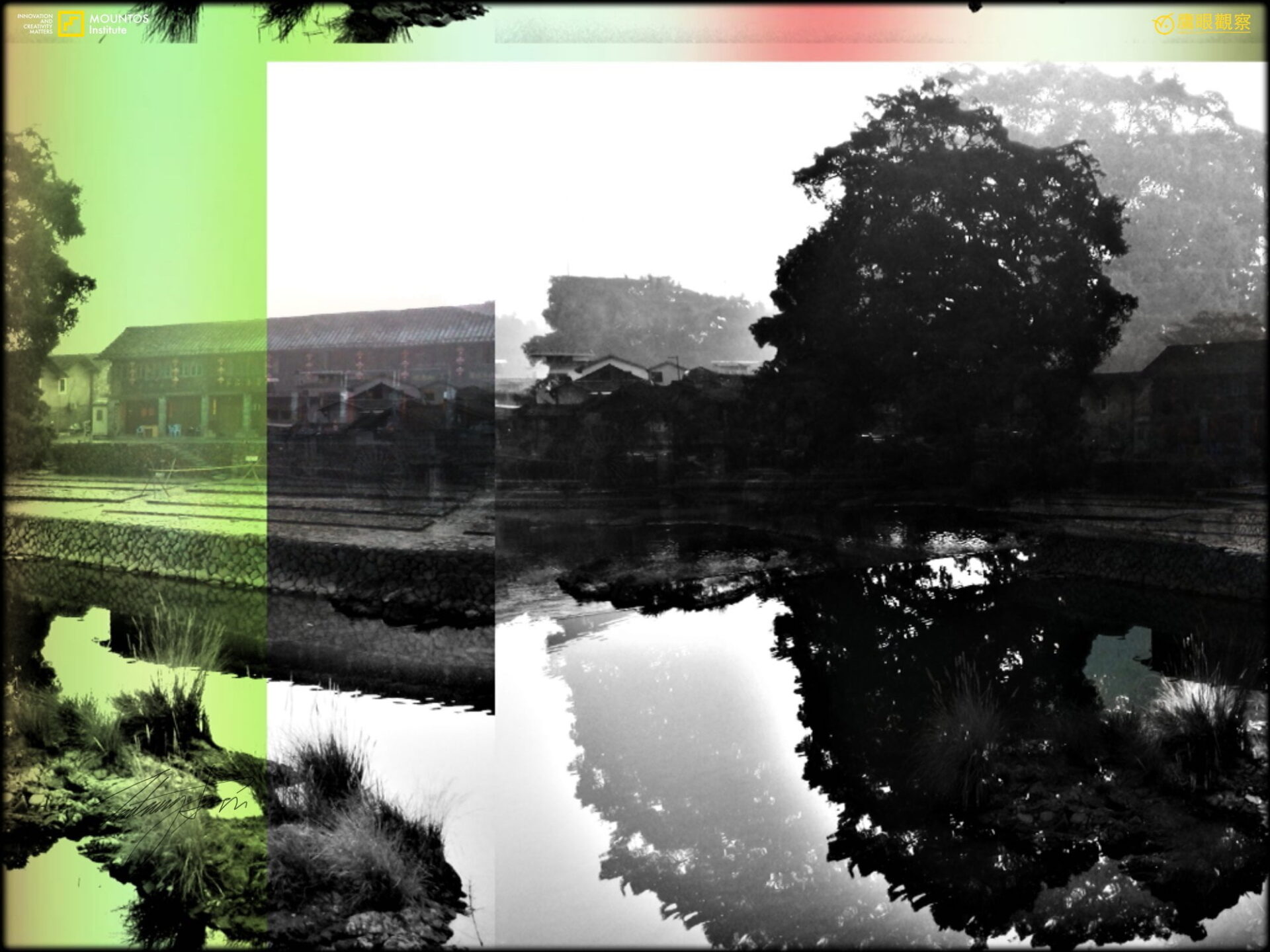
In Nanjing County, Fujian Province, Mainland China, along the serene riverbanks of the ancient town of Yunshuiyao in Meilin Town, stands a row of weathered old merchant shops that have endured untold years of sun and rain.
Modern real estate brokers love to quote the classic trio: “Location, Location, and Location”.
This line of shops on the front row overlooking the river would undoubtedly be the prime real estate of the area. Even though they are merely two-story wooden structures, their rustic exteriors are etched with marks of history.
They are situated within the Cultural Landscapes recognized by the United Nations Educational, Scientific and Cultural Organization (UNESCO) as World Cultural Heritage, blurring the line between whether the houses themselves are old or the heritage itself is ancient.
Chatting with local residents revealed that only a few years ago, this entire row of roughly ten or so buildings could all have been bought for a mere 200,000 RMB—if anyone had been willing.
The catch was: if someone was willing.
Back then, people felt this place was terribly remote. City folks paid it no heed, and rural residents were desperately seeking urban household registration.
Until recent years, a merchant from the city offered one million RMB just to buy one single small wooden shop.
From 200,000 RMB for an entire row to one million for a single shop might seem like a phenomenal return on investment to locals, yet that urban merchant left empty-handed with his offer rejected.
In less than a few years, such an astonishing transformation took place in a secluded haven once detached from the worldly rush.
The primary reason for this massive disparity was that when the mainland Chinese government applied to UNESCO for the World Cultural Heritage listing of the Nanjing Tulou cluster, it bundled the Yunshuiyao scenic area into the package.
Naturally, Yunshuiyao was swiftly promoted to a 5A scenic area—mainland China’s highest tourism rating. With such prestige, property values could hardly do anything but skyrocket.
Even so, the business carried on inside these old shops baffles me completely. They sell trifles and outdated everyday sundries. Even I only bought a novelty wooden die, which could be purchased on Taobao for a fraction of the cost. Could running such a shop genuinely offer more sweetness than cashing out for a million RMB upfront?
Then again, deep-seated attachments to home, land, and human bonds are perhaps matters that we outsiders have no right to question.
Further Reading
Support Independent Perspectives & In-Depth Insights
Every thoughtful analysis and candid critique comes from our dedication to truth and quality. We choose not to follow sensational algorithms or clickbait headlines.
Sustaining independent research requires reader support. Make a one-time or monthly contribution, securely processed by Google.
Payments secured by Google · Manage or cancel anytime in your Google Account



Comments