
When traveling abroad or doing overseas photography, a set of stable and lightweight carbon-fiber tripods, monopods, or the ubiquitous selfie stick (selfie神器) is often an indispensable tool for capturing magnificent scenery and group photos.
However, in the minds of many photography enthusiasts and ordinary travelers, there has always been a classic yet anxiety-inducing question:
Can my camera tripod and selfie stick actually go into my carry-on luggage and onto the plane? Or must they all be stuffed into checked baggage?
In the past, many veteran flyers had painful experiences: after finally spending tens of thousands to buy a top-tier lightweight carbon-fiber travel tripod, they were stopped on the spot by airport police at the X-ray machine, told that the length exceeded the limit and it had to be checked; helplessly, they could only watch their beloved tripod being thrown and scratched on the baggage carousel, or even be forced to voluntarily abandon and discard it at the boarding gate.
In fact, Taiwan’s Civil Aeronautics Administration (CAA) under the Ministry of Transportation and Communications has long relaxed the standards for carrying camera tripods and selfie sticks on board. But in actual practice, the devil still lies in the details of airline terms and airport security in various countries.
This article will thoroughly interpret the latest aviation regulations and share practical strategies to avoid getting stuck at the customs security line.
Interpreting the CAA’s Latest Regulations: The 60 cm Golden Dividing Line
According to the latest regulations issued by the Civil Aeronautics Administration of the Ministry of Transportation and Communications, “Other Suspicious Objects That May Affect Flight Safety (Items Prohibited from Carry-On but Allowed in Checked Baggage)”:
Sticks, tools, and agricultural implements: sticks of various materials, hoes, hammers, axes, screwdrivers, metal rakes, awls, saws, chisels, ice picks, iron chains, metal rulers thicker than 0.5 mm, photography (camera) tripods (with a tube diameter of 1 cm or more, retractable, and with a folded height exceeding 60 cm) and metal vernier calipers, and other instruments that can be used for striking or piercing.
This seemingly awkward regulation, once broken down into plain language, has a very clear judgment standard:
- Mandatory checked baggage standard: As long as a camera tripod or selfie stick has a “tube diameter of 1 cm or more, a retractable structure, and a folded height exceeding 60 cm,” it will be classified by civil aviation security as a potentially dangerous blunt instrument capable of striking or piercing, and must never be carried on board—it must be checked.
- Legal boarding standard: Conversely, if a tripod or selfie stick has a “folded length of 60 cm (inclusive) or less,” it fully complies with carry-on luggage boarding regulations in principle, and can be placed in a carry-on backpack or cabin suitcase and brought into the cabin!
Old 25 cm vs. New 60 cm: A Big Relief for Photographers
Before the regulation was amended, the old standard adopted by Taiwan’s CAA was an extremely strict “25 cm.” However, the vast majority of professional tripods on the market, even reverse-folding ones, generally have a folded limit length of between 30 and 45 cm, which meant that in earlier years almost no tripod could be carried on board. Since the new standard was fully relaxed to 60 cm, general portable tripods, small desktop tripods, monopods, and the vast majority of handheld selfie sticks have all gained legal boarding space when departing from Taiwan’s airports.
The Devil Is in the Details: Why Can You Still Be Stopped Even If You Meet the 60 cm Rule?
Although the civil aviation regulations are written clearly in black and white, in actual airport operations, many travelers still encounter difficulties from ground staff or security personnel. There are mainly three major blind spots behind this:
1. Length Measurement Includes the “Most Protruding Point of the Tripod Head”
Many photographers, when measuring with a tape measure at home, often only measure the length of the three metal leg tubes (for example, a marked 48 cm), but overlook the ball head, handle, or quick-release plate clamp mounted on top of the tripod. In the eyes of security personnel, the length is measured from the very bottom rubber foot pad all the way to the very top of the tripod head’s locking knob! If adding the tripod head makes it exactly 61 or 62 cm, even if it’s off by just 1 cm, security personnel have the legal authority to require you to exit the controlled area and check it in.
Practical solution: Before boarding, “unscrew and detach the ball head and quick-release plate” and store them separately, or loosen the ball head locking knob and let the ball hang down to its lowest reverse-folded state, ensuring that the total length including the tripod head is firmly kept within 55 cm, leaving ample buffer for error.
2. Airlines’ Transport Contract Terms May Be Stricter
The CAA’s regulations are the “bottom line” of national safety standards, but airlines, based on freedom of commercial transport contracts, have the right to set stricter baggage restrictions in their own “Passenger Transport Guide.”
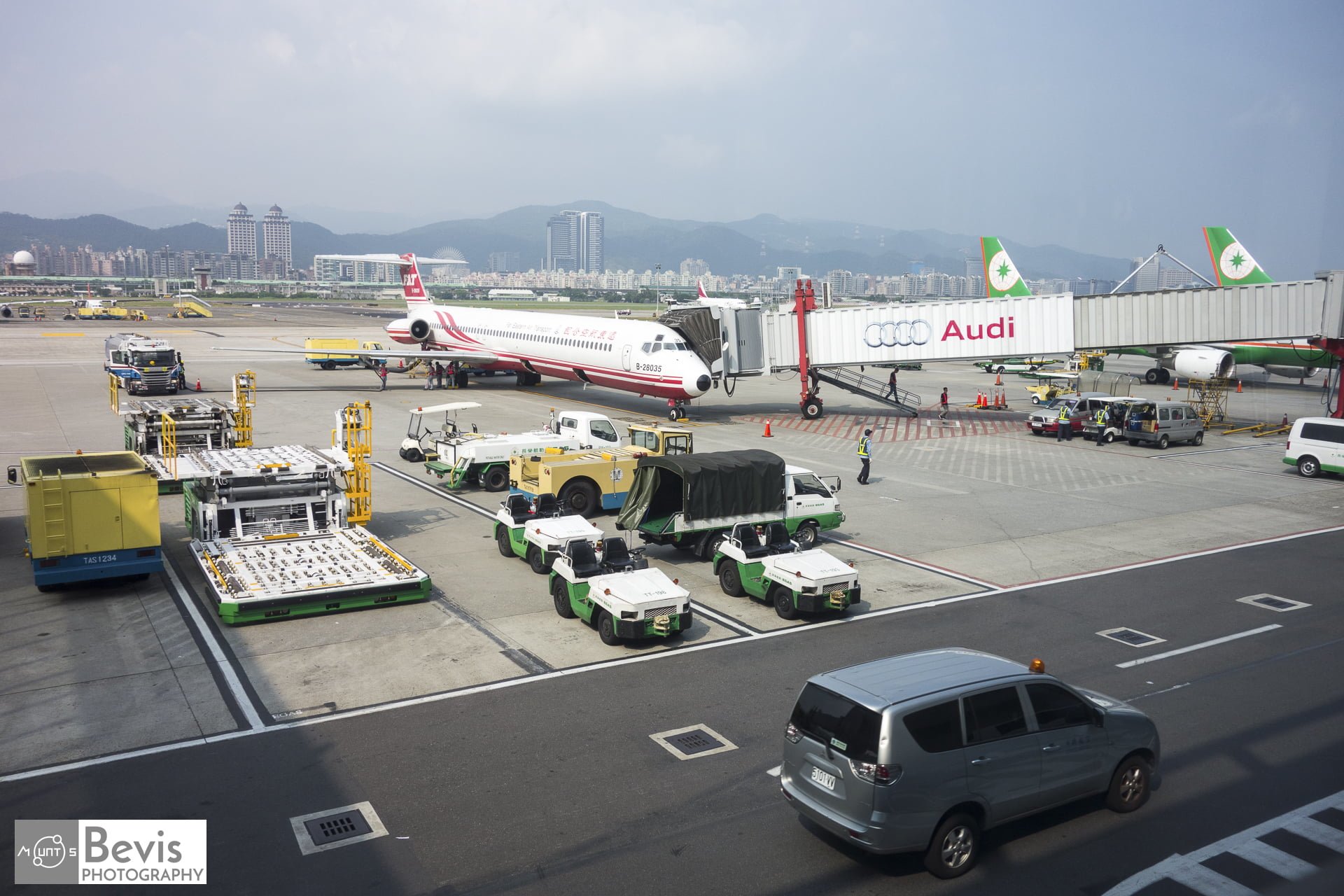
- For example, before it ceased operations, Far Eastern Air Transport (FAT) had long maintained the old “over 25 cm must be checked” rule in its official checked baggage specifications;
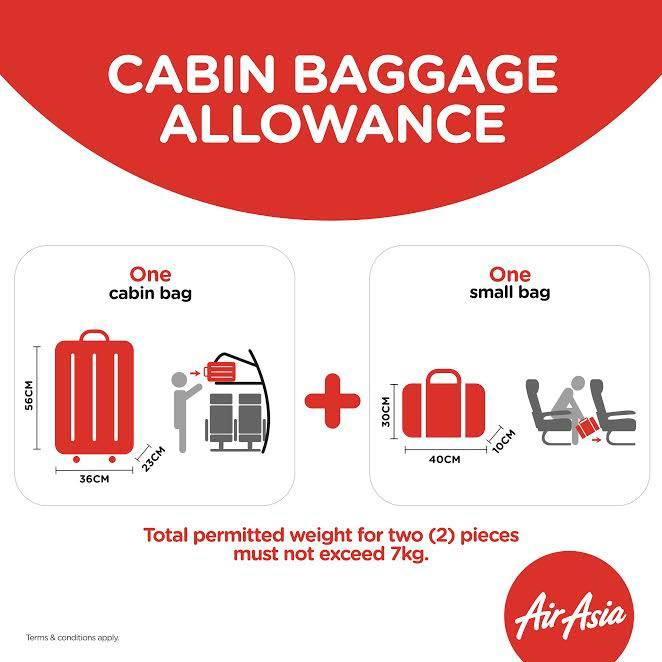
- Some foreign low-cost carriers (LCCs, such as Peach, Scoot, Jetstar, etc.) are extremely strict about the total number of carry-on items (usually strictly limited to 2), total weight (not exceeding 7 kg combined), and the length, width, and height of the luggage box (usually within 56 x 36 x 23 cm). If the tripod is less than 60 cm but is inserted diagonally into the cabin suitcase causing the zipper to bulge and it can’t fit into the airport’s metal measuring frame, ground staff will still force you to pay extra to check it.
3. The “Double Standard” of Airport Security in Various Countries: Cleared on the Outbound Trip, Seized on the Return Trip
This is the most painful point that catches international travelers off guard. Taiwan’s airport outbound security clears items according to Taiwan’s CAA standards, **but that doesn’t mean that when you arrive at a foreign airport on your return trip, the…
Support Independent Perspectives & In-Depth Insights
Every thoughtful analysis and candid critique comes from our dedication to truth and quality. We choose not to follow sensational algorithms or clickbait headlines.
Sustaining independent research requires reader support. Make a one-time or monthly contribution, securely processed by Google.
Payments secured by Google · Manage or cancel anytime in your Google Account



Comments