
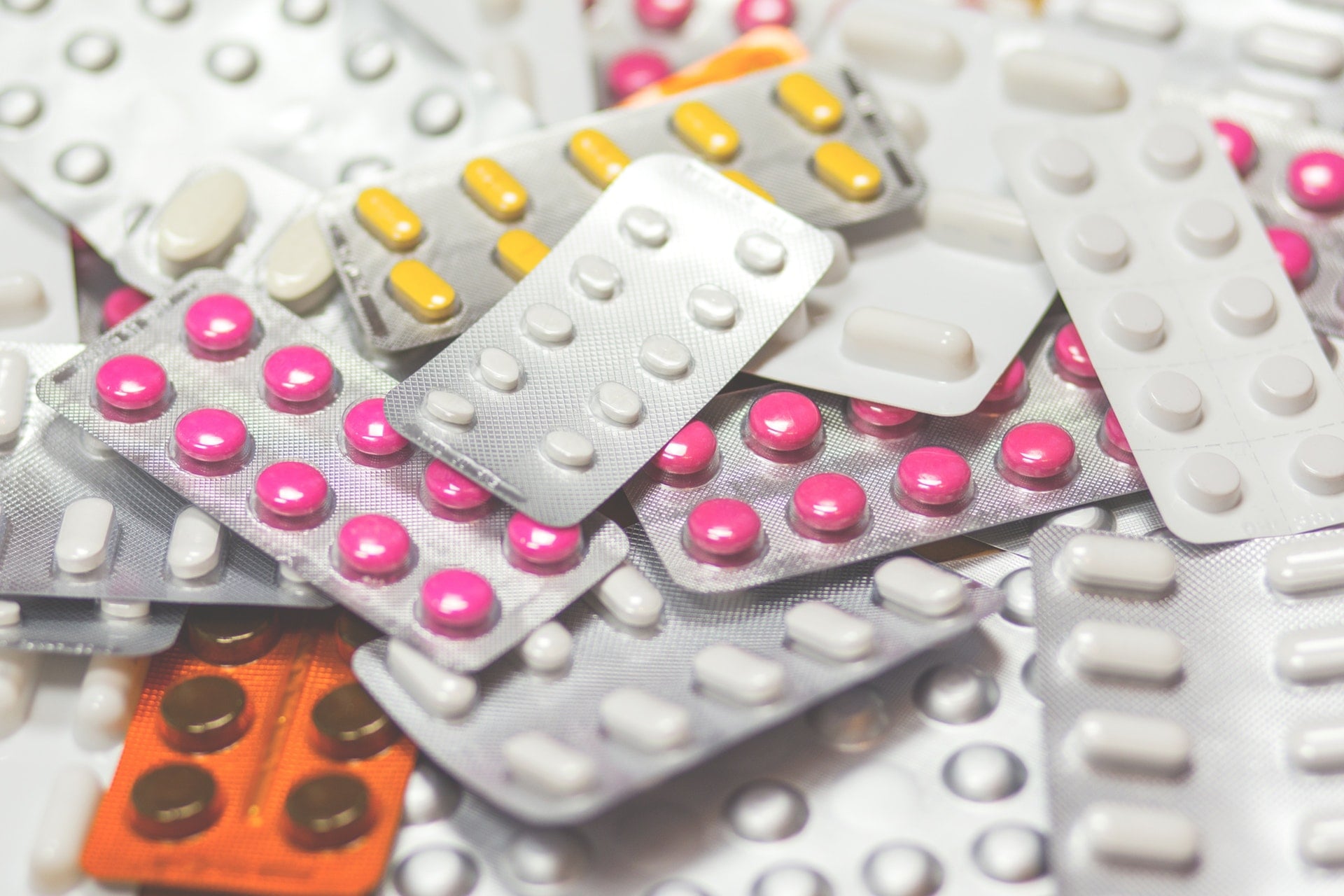
In the “Directions for Medicament Recall Operations” under the “Regulations for Medicament Recall,” the Food and Drug Administration of the Ministry of Health and Welfare, Republic of China (ROC) (hereinafter referred to as the TFDA), assigns a recall classification index when recalling defective drugs and medical products, clearly defining the severity of drug hazards and stipulating recall and disposal procedures for each hazard level.
Through this straightforward classification system, the public can properly return or dispose of drugs based on their corresponding hazard level, avoiding risks associated with expired medicines, substandard raw materials, or inadequate drug instructions and labeling.
According to Article 3 of the amended “Directions for Medicament Recall Operations” promulgated on August 17, 2012 (Year 101 of the Republic of China), recalls are divided into three classes according to the degree of medicament hazard, including:
Class 1 Medicament Hazard
A Class 1 hazard refers to medicaments exhibiting any of the following circumstances:
- Medicaments whose licenses were originally issued but whose manufacture or importation has been publicly banned pursuant to Subparagraph 1, Paragraph 1, Article 80 of the Pharmaceutical Affairs Act.
- Medicaments licensed for manufacture or importation that are determined to present a risk of causing serious harm in accordance with Articles 33 and 38 of the Consumer Protection Act.
- Substandard drugs, defective medical devices, or medicaments referred to in Subparagraph 4, Paragraph 1, Article 80 of the Pharmaceutical Affairs Act that present a risk of causing serious harm.
- Counterfeit drugs, prohibited drugs, or medical devices manufactured or imported without prior approval.
Class 2 Medicament Hazard
A Class 2 hazard refers to medicaments exhibiting any of the following circumstances:
- Substandard drugs, defective medical devices, or medicaments referred to in Subparagraph 4, Paragraph 1, Article 80 of the Pharmaceutical Affairs Act, but without presenting a risk of causing serious harm.
- Medicaments licensed for manufacture or importation that are determined to present a risk of causing non-serious harm in accordance with Articles 33 and 38 of the Consumer Protection Act.
Class 3 Medicament Hazard
A Class 3 hazard refers to medicaments that present a risk of compromising user safety, health, or other rights and interests, but do not belong to Class 1 or Class 2 hazards.
Disposal Regulations for Each Medicament Hazard Class
Class 1 and Class 2 Hazards:
The central competent health authority or the municipal/county (city) competent health authorities shall order drug manufacturers or importers to recall commercially available products within a prescribed time limit. For Class 1 hazards, municipal or county (city) health authorities shall conduct spot checks at relevant medical institutions, pharmacies, and pharmaceutical firms within 10 days after competent health authorities at all levels notify the business operators to execute recall operations, ensuring that the hazardous medicaments are indeed removed from shelves.
Class 3 Hazards:
The central competent health authority or the municipal/county (city) competent health authorities may recommend that drug manufacturers or importers recall commercially available products within six months from the date of notification by the health authorities. To stay abreast of drug recall information, competent health authorities at all levels shall notify each other when taking the aforementioned actions.
Support Independent Perspectives & In-Depth Insights
Every thoughtful analysis and candid critique comes from our dedication to truth and quality. We choose not to follow sensational algorithms or clickbait headlines.
Sustaining independent research requires reader support. Make a one-time or monthly contribution, securely processed by Google.
Payments secured by Google · Manage or cancel anytime in your Google Account




Comments