
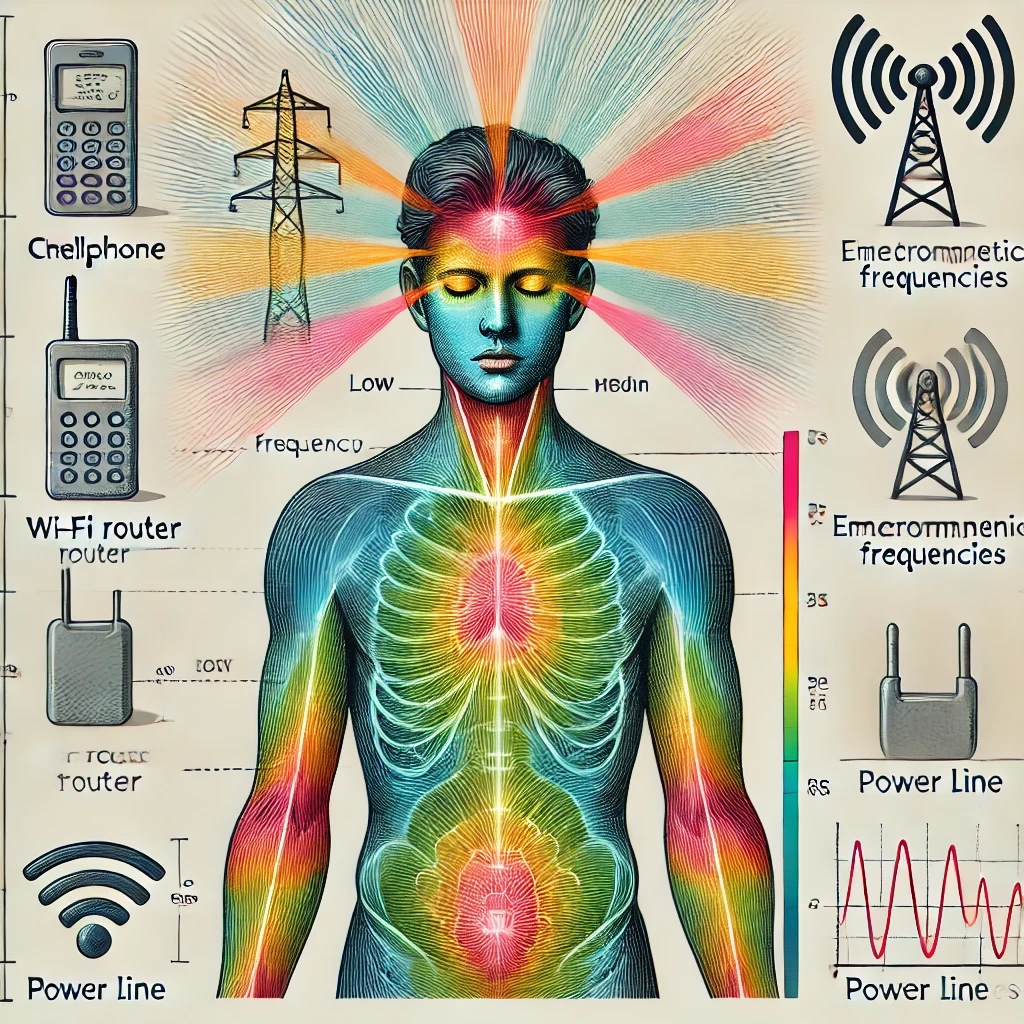
As technology advances, computers, phones, and wireless networks have become daily necessities, but “radiation” safety has become a concern for many.
Do the electromagnetic waves emitted by these devices really harm the human body?
Before worrying that this electromagnetic radiation harms our health, let us first understand the scientific concept of SAR (Specific Absorption Rate), an important safety indicator for evaluating the effects of electromagnetic waves on the human body.
What Is SAR?
SAR, Specific Absorption Rate, is an indicator used to measure the rate at which human tissue absorbs electromagnetic energy per kilogram, with the unit of watts per kilogram (W/kg).
The SAR value is mainly used to evaluate the electromagnetic energy a person may be exposed to when using a phone, computer, or other electronic device. Generally during testing, phones and tablets should be set to transmit electromagnetic energy at maximum power, and SAR is evaluated in real time according to the time interval specified by the applicable national regulations.
Simply put, the higher the SAR value, the more electromagnetic energy the body tissue absorbs.
Countries usually set a safety limit for SAR values to ensure devices do not adversely affect human health under normal use. In countries using 1 gram of human tissue as the basis, the SAR safety limit is 1.6 W/kg; in countries using 10 grams of human tissue as the basis, the limit is 2.0 W/kg.
Absorption Characteristics of Electromagnetic Waves at Different Frequencies
The human body’s absorption of electromagnetic waves varies by frequency. Below are the characteristics of each frequency band:
1. Low-Frequency Electromagnetic Waves (3 Hz to 3 kHz)
Mainly from high-voltage power lines and household appliances. These electromagnetic waves have strong penetration and can pass through the body’s surface layer; but their energy is relatively low, so the impact of human absorption is limited and cell damage is low.
2. Medium-Frequency Electromagnetic Waves (3 kHz to 3 MHz)
Medium-frequency electromagnetic waves are common in radio and industrial equipment. Tissue absorption is slightly higher than low frequency, but the impact remains relatively small.
3. High-Frequency Electromagnetic Waves (3 MHz to 300 GHz)
This frequency band includes wireless communication (such as Wi-Fi and mobile signals) and microwaves. The energy is higher, and human absorption is more concentrated on the surface layer. If you are in close contact with high-frequency electromagnetic waves for a long time, the SAR value of specific parts will be higher; especially the skin and head, which can trigger obvious thermal effects.
For example, I once heard that soldiers at a radar station of the Republic of China, out of boredom, used the microwave from the radar dome to cook a whole chicken, burning off even the feathers 🐔.
SAR Values of Common Devices
1. Mobile Phones (800 MHz to 2.5 GHz)
SAR value range: about 0.1 to 1.6 W/kg.
This frequency band is the main target of SAR measurement. Because phones are used close to the head, most countries have strict limits on phone SAR values.
According to international standards, phone SAR values should not exceed 2.0 W/kg when close to the head or body (using the EU standard as an example; the US FCC standard is 1.6 W/kg).
Note: Most phones’ SAR values are below the maximum standard, but when the signal is poor, the SAR value may approach the limit. So try to have long phone chats only where the signal is full.
2. Wi-Fi Routers (2.4 GHz and 5 GHz)
SAR value range: usually around 0.1 to 0.5 W/kg (this value is based on the strength and distance of the Wi-Fi signal source, measured at close range).
Although the tissue absorption of general Wi-Fi electromagnetic waves is lower than that of phones, there is still a certain SAR value with frequent use. It is recommended to keep an appropriate distance and reduce direct proximity of the body to the Wi-Fi router.
As distance increases, the energy density of electromagnetic waves decays rapidly with the inverse square of the distance, so try to hide the router in a remote corner of the home.
3. Microwave Ovens (2.45 GHz)
SAR value range: theoretically should be 0.
Although the frequency of a microwave oven is close to Wi-Fi, its energy density is extremely high, so a metal casing (Faraday cage) is needed to prevent electromagnetic leakage.
Microwave ovens are not directly SAR-tested on the human body because they are designed with protective shielding and should not have significant electromagnetic leakage.
General regulations require that electromagnetic leakage at 5 cm from the external surface of a microwave oven not exceed 5 mW/cm²; under normal use, the microwave oven’s impact on the human body’s SAR value is extremely low.
The above examples of SAR values for several common household devices illustrate the specific absorption rates of different devices under normal conditions. Phone SAR values attract attention because they are close to the head or body, Wi-Fi router SAR values are relatively low, and microwave ovens ensure safety through casing shielding.
Factors Affecting SAR Values
SAR values are affected by many factors; understanding these factors can help us use electronic devices reasonably:
1. Frequency
The higher the frequency, the higher the absorption rate usually is. High-frequency electromagnetic waves are more easily absorbed by the body’s surface layer, but can also be shielded through technological coatings, at the cost of a higher price; low frequency penetrates deeper but has low energy.
2. Tissue Characteristics
Different parts of the human body have different water content, and parts with higher water content (such as the head and eyes) more easily absorb electromagnetic energy.
Therefore, when electromagnetic waves penetrate tissue with high water content, the SAR values of these parts are relatively higher and more prone to thermal effects. This is also why SAR testing of phones and wireless devices mostly targets the head, to ensure long-term use does not excessively affect sensitive areas.
When I worked at a patent firm, the back of the CRT monitor on my supervisor’s desk happened to face my head, and I would feel a kind of dry heat. This led me to rearrange my desk layout soon after starting work, to avoid the direct radiation from the monitor behind me.
3. Distance
Distance is a key factor affecting SAR values. As distance increases, electromagnetic energy decreases sharply with the inverse square. Therefore, keeping an appropriate distance from devices can effectively reduce SAR values.
4. Usage Time
Long-term contact with high-frequency devices (such as phones or Wi-Fi) increases electromagnetic absorption. It is recommended to use them intermittently and rest appropriately to reduce long-term exposure to electromagnetic waves.
How to Effectively Reduce Electromagnetic Absorption
- Avoid being close to devices for long periods: when the signal of a phone or Wi-Fi router is poor, the device increases output power, so it is recommended to avoid long use when the signal is weak.
- Use headphones or hands-free devices: keeping the phone away from the head during calls can significantly reduce SAR values.
- Keep the sleep environment low-radiation: keep phones and routers away from the sleep area, or turn off unnecessary electronic devices at night.
Conclusion
In a tech-driven life, electromagnetic waves are unavoidable, but properly understanding SAR values and their effects can help us use electronic products with more peace of mind.
By keeping distance and reducing exposure time, we can effectively reduce electromagnetic absorption and achieve a balance between health and convenience.
Therefore, rather than worrying excessively, it is better to manage electromagnetic exposure in life in a rational way.
Support Independent Perspectives & In-Depth Insights
Every thoughtful analysis and candid critique comes from our dedication to truth and quality. We choose not to follow sensational algorithms or clickbait headlines.
Sustaining independent research requires reader support. Make a one-time or monthly contribution, securely processed by Google.
Payments secured by Google · Manage or cancel anytime in your Google Account




Comments