
A few days ago, I drove out to the North Coast to handle a client’s project. On my return journey, I passed by a well-renowned traditional Chinese herbal medicine store in the local area. Their handcrafted herbal throat lozenges, made according to ancient recipes, are famous far and wide; even a longtime friend living down in Kaohsiung regularly asks me to purchase and ship a few batches to him.
Finding our household supply just about depleted, I stepped inside to stock up on a few packs.
While waiting at the counter for the owner to weigh and package the items, out of professional habit, I took a look around at the shop’s interior layout and electrical environment. What I saw gave me an immediate shock: mounted on the wall was a large external multi-socket power strip, crowded with plugs for digital scales, heat sealers, and lighting fixtures. Even more alarming, the entire power strip was coated in a thick layer of dust, grease, and sticky grime—the residue of medicinal steam and ambient humidity accumulated over many years.
Before leaving, while chatting with the proprietor, I offered a sincere reminder: “When grease and dust coat a socket surface loaded with high-power appliances, even if sparks haven’t flown from loose contacts yet, the intense heat trapped inside once summer hits and everything runs at full capacity can easily ignite an electrical fire!”
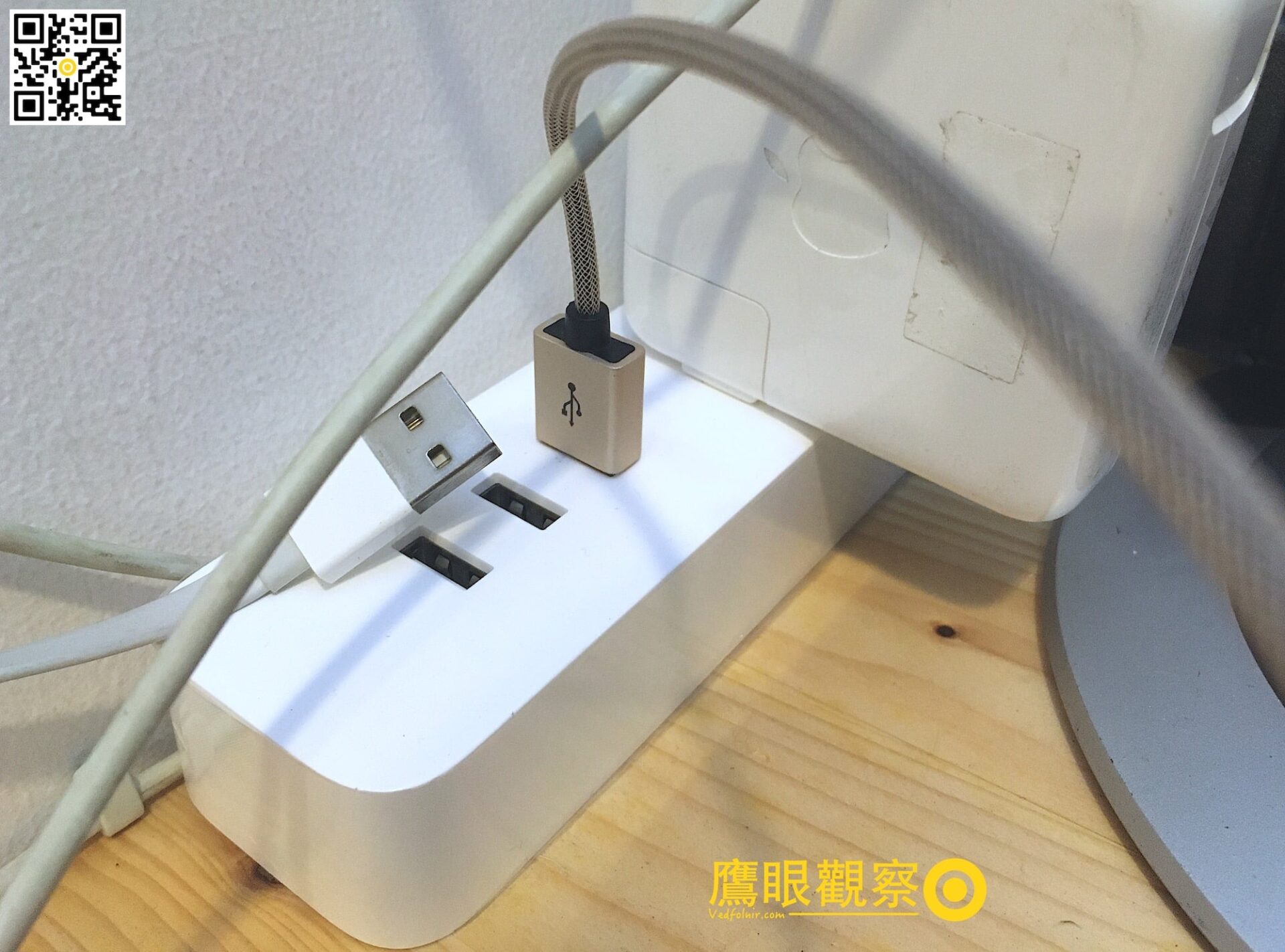
The Invisible Culprit “Tracking”: Why Dust and Grease Trigger Fires
Many believe that electrical fires only result from a “short circuit” or “rodents chewing through the insulation.” However, according to fire department investigative statistics, many electrical blazes originate from a subtle phenomenon most people overlook: “Tracking (dust/grime conduction).”
What Is Tracking?
When plugs remain plugged into sockets or extension strips for prolonged periods without being removed, lint, dust, and airborne grease settle between the two metal prongs.
- Moisture Absorption Creates a Conductive Path: During rainy seasons, humid summer thunderstorms, or in muggy indoor settings, this normally non-conductive buildup rapidly absorbs moisture, forming a weak conductive pathway.
- Micro-Current Discharge and Carbonization: Minute leakage currents trickle through the damp dust, producing continuous micro-sparks. This localized heat progressively degrades the socket’s plastic insulator, carbonizing it into a conductive path.
- Instantaneous Short-Circuit Flashover: Once this carbonized bridge fully connects the live and neutral terminals, a catastrophic short circuit erupts, igniting surrounding plastics and dust into an intense open fire on the wall!
Environments rich in grease fumes, dust, and steam—such as herbal pharmacies, kitchens, eateries, or street-front stores—act as ticking time bombs on walls if sockets are not cleaned regularly.
Why Must Extension Cords Be Thoroughly Inspected Before Summer?
Taiwan’s summer climate is hot and muggy, coinciding with the annual peak in household electrical load:
- Elevated Baseline Ambient Temperature: In sweltering heat, indoor room temperatures frequently exceed 33°C (91°F), dramatically reducing the natural heat dissipation efficiency of wiring insulation.
- High-Power Appliances Running Simultaneously: Air conditioners, electric fans, dehumidifiers, large refrigerators, microwaves, and electric kettles push power strips close to full capacity or severe overload.
- The Vicious Cycle of Resistive Heating: Aging extension cables often suffer partial strand fractures (loose internal connections) from years of bending, twisting, or being stepped on, shrinking the effective copper cross-section and spiking contact resistance. According to Joule’s law (P = I^2 R), higher current through increased resistance causes thermal dissipation to skyrocket exponentially. Once the PVC jacketing melts, disaster strikes.
Extension Cord Health Check: 5 Immediate Replacement Warning Signs
Before the summer electrical peak arrives, take 10 minutes to conduct a comprehensive checkup of every extension cord in your home. If any of the following signs appear, replace the cord immediately without hesitation:
- Cord or plug feels “warm or even hot to the touch”: Under standard loads, an extension cord should remain at room temperature. If it feels noticeably hot, it is overloaded or internal strands have aged and fractured.
- Socket apertures are loose, and plugs slip out easily: Fatigued internal metal contact springs reduce the contact area, raising contact resistance and producing high-temperature localized arcing during operation.
- Cable insulation has turned stiff, cracked, or displays yellowing/scorch marks: The PVC insulation has become brittle from long-term thermal stress, presenting imminent risks of electrical shock, current leakage, and fire.
- The socket is covered in stubborn grime, oil, or dust that cannot be wiped clean: Surface conditions already facilitate tracking conduction. For safety, switch off the breaker and replace it with a new unit, or thoroughly degrease and dry it while completely disconnected from power.
- Outdated strips lacking individual switches and overload circuit breaker protection: Older power strips used for over 3 to 5 years that lack modern safety certifications (such as BSMI standards) and automatic overload trip switches should be completely upgraded to compliant fire-retardant models.
Conclusion: Guarding Home Safety Begins with a Humble Extension Cord
Electrical safety is not about complex theories; it is practiced through small daily habits.
That aromatic herbal shop on the North Coast brings soothing relief to countless visitors, but the dusty, neglected power strip in the corner serves as a stark warning. When you return home today, take a moment to look behind sofas and entertainment consoles. Dust off the sockets, feel their operating temperature, and ensure your entire family enjoys a cool, completely worry-free summer!
Support Independent Perspectives & In-Depth Insights
Every thoughtful analysis and candid critique comes from our dedication to truth and quality. We choose not to follow sensational algorithms or clickbait headlines.
Sustaining independent research requires reader support. Make a one-time or monthly contribution, securely processed by Google.
Payments secured by Google · Manage or cancel anytime in your Google Account



Comments