
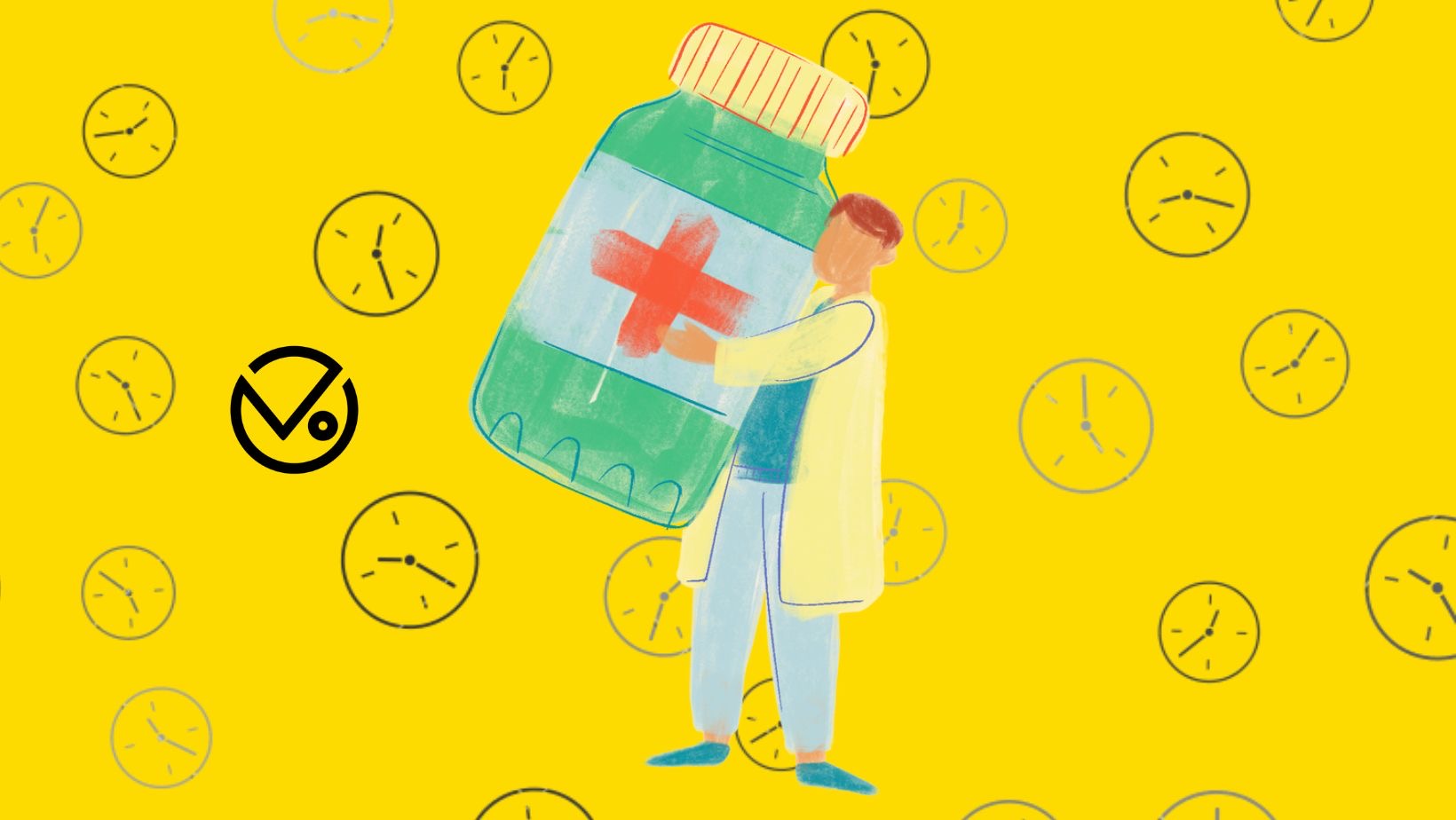
To help the public establish a correct understanding of medication timing, the Food and Drug Administration of the Republic of China (R.O.C. FDA) has shared the correct timing for taking both Western and Chinese medicines, noting that Chinese medicine has just as many precautions as Western medicine. This can be understood through three time points—before meals, after meals, and during meals—to help reduce side effects and improve therapeutic efficacy.
Three Common Medication Timings
Taking Medication After Meals
Taking medication after meals means taking it within one hour after eating.
Some medications cause gastrointestinal side effects; taking them after meals can reduce these effects, such as non-steroidal anti-inflammatory drugs (NSAIDs). In addition, vitamins and iron supplements should also be taken after meals for better absorption.
For Chinese medicine formulas that treat conditions above the diaphragm (such as the heart and lungs), taking them after meals is also recommended, as it can enhance efficacy and reduce gastrointestinal irritation.
Taking Medication Before Meals
Taking medication before meals means taking it 30 minutes to 1 hour before eating, or more than 2 hours after eating.
Some medications are easily affected by food absorption, so they must be taken before meals, such as thyroid medications (levothyroxine). In addition, some Western medicines need to be taken on an empty stomach because it relates to when the drug takes effect; for example, blood sugar medications taken before meals can lower post-meal blood sugar.
Chinese medicines that tonify qi, tonics, and deworming agents are also recommended to be taken before meals, which can enhance efficacy and absorption.
Taking Medication During Meals
Taking medication during meals means taking the medication along with the meal.
Some Western medicines are more effective when taken with food (taking the medicine and then immediately eating, or taking it after the first bite), such as certain blood sugar medications (Alpha-glucosidase inhibitors). In addition, some medications are better absorbed when taken together with food, such as certain hepatitis medications (Tenofovir alafenamide); these medications usually need to be taken with high-fat food to improve bioavailability.
However, it should be noted that some medications combined with specific foods may cause adverse reactions or reduce the absorption rate and effectiveness of the drug. Therefore, when taking medication, you should carefully read the medication instructions and consult a doctor or pharmacist for advice.
Other Medication Timings
In addition, there are some situations that require special attention to medication timing. For example, certain medications cause side effects such as drowsiness and are recommended to be taken before bed at night to avoid affecting daytime work and activities; while some medications that need to be taken at fixed times, such as antibiotics and blood pressure medications, should be taken strictly according to the times instructed by a doctor or pharmacist to ensure efficacy.
In summary, understanding the principles and precautions of taking medication can help us choose the appropriate timing, reduce adverse reactions, improve bioavailability, and maximize the therapeutic effect. Therefore, we should value the way we take medication and follow the advice of a doctor or pharmacist as much as possible.
Support Independent Perspectives & In-Depth Insights
Every thoughtful analysis and candid critique comes from our dedication to truth and quality. We choose not to follow sensational algorithms or clickbait headlines.
Sustaining independent research requires reader support. Make a one-time or monthly contribution, securely processed by Google.
Payments secured by Google · Manage or cancel anytime in your Google Account


Comments