
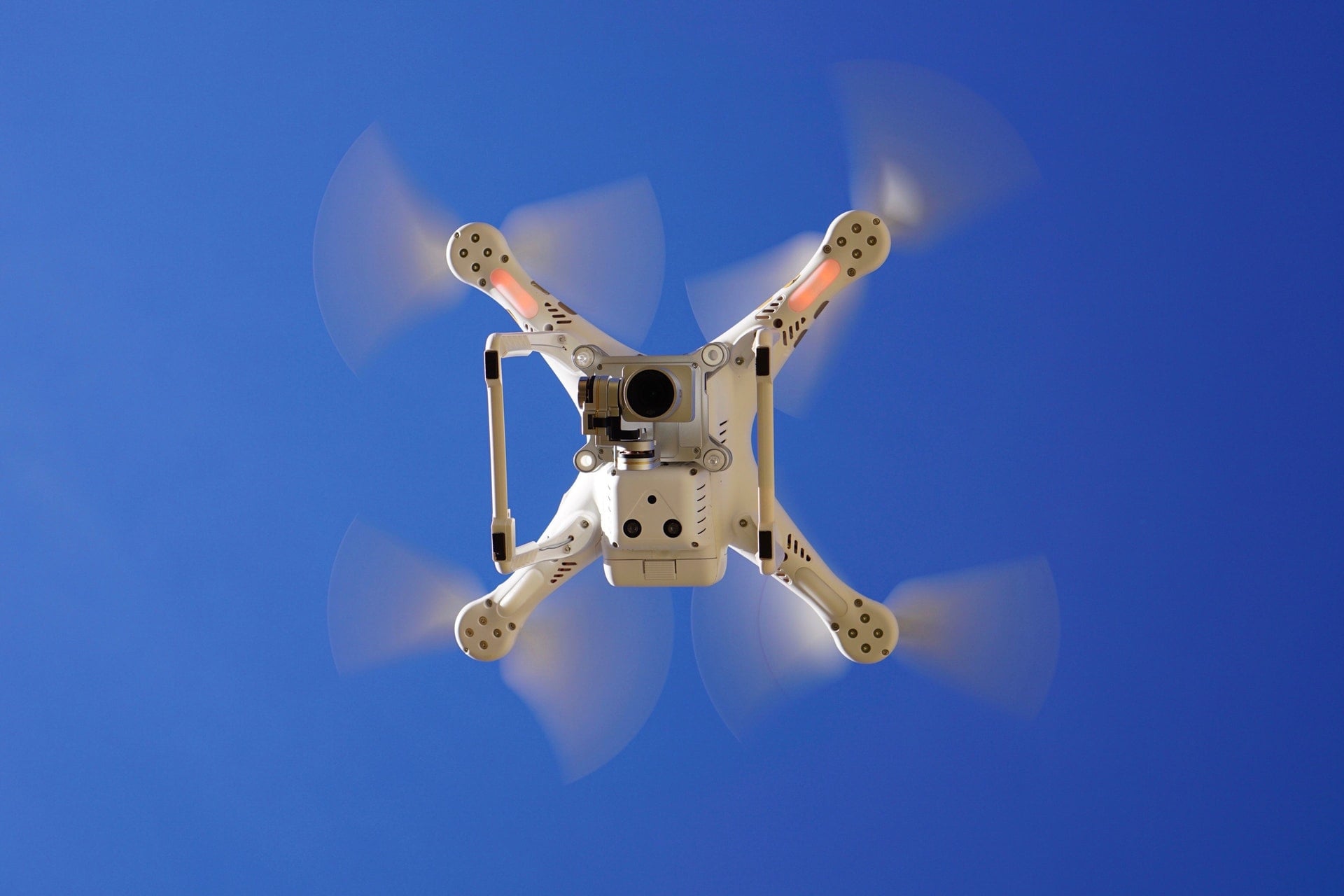
According to local media reports in Matsu, Fujian Province, the Civil Aeronautics Administration (CAA) of the Republic of China announced earlier this year that virtually all airspace across the five main islands—Nangan, Beigan, Dongyin, and Juguang—has been designated as prohibited flight zones for unmanned aerial vehicles (UAVs / drones). Violators are subject to legal fines ranging from NT$300,000 to NT$1.5 million.
Meanwhile, the Ministry of National Defense of the Republic of China stated that if any unauthorized drone intrudes into military restricted zones, armed forces will forcibly intercept or shoot it down on site. In addition, the operator could be prosecuted for violating the Classified National Security Information Protection Act, facing up to 5 years of imprisonment.
Under CAA regulations, operating drones and all flying objects (including kites and balloons) is prohibited within 5 kilometers from runway ends and within 2.5 kilometers on either side across all altitudes. Furthermore, within 5 to 15 kilometers of runway ends and between 2.6 to 6 kilometers of runway sides, drone operations are barred at altitudes above 60 meters. To operate within designated controlled airspace, pilots must submit advance flight applications to the governing authority specifying flight times and locations; unauthorized operations risk fines between NT$300,000 and NT$1.5 million.
Because the no-fly zones delineated by the CAA cover nearly the entirety of the airspace over Matsu’s 4 townships and 5 islands—especially with the heliports on Dongyin and Juguang also falling under control—launching a drone or aerial camera anywhere on land in Matsu easily meets the criteria for severe penalties. Incursion into military installations also risks serious criminal charges under the Classified National Security Information Protection Act.
In January of this year, the Ministry of National Defense implemented the “Response Measures for Illegal Entry of Objects Endangering Flight Safety into Military Installations.” When drones illegally enter military camps or bases for aerial photography, immediately threatening aviation safety, obstructing military missions, or attempting espionage, the military will report them to the CAA, actively disrupt signal frequencies to force interception under the Administrative Execution Act, or shoot them down using defensive weapons. Offenders will be transferred to military police and prosecutors for investigation and criminal liability under the Criminal Code of the Republic of China, the Classified National Security Information Protection Act, and the Civil Aviation Act.
Support Independent Perspectives & In-Depth Insights
Every thoughtful analysis and candid critique comes from our dedication to truth and quality. We choose not to follow sensational algorithms or clickbait headlines.
Sustaining independent research requires reader support. Make a one-time or monthly contribution, securely processed by Google.
Payments secured by Google · Manage or cancel anytime in your Google Account


Comments