
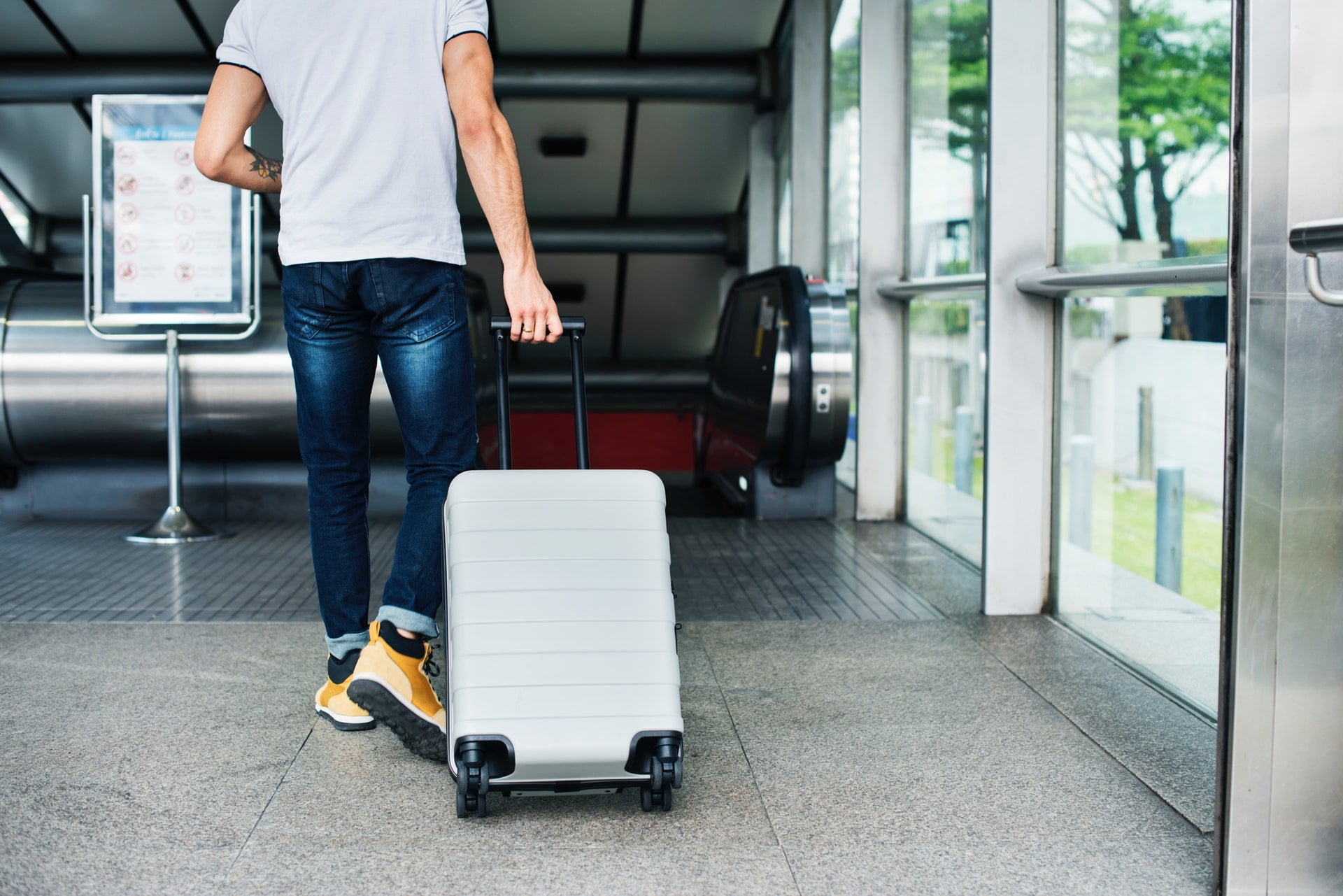
When flying abroad, luggage generally falls into two main categories: one is “Hand Luggage / Cabin Baggage,” which travels into the cabin with you and must be stored in the overhead compartment or under the seat in front of you, subject to strict limits on prohibited items and suitcase dimensions.
The other is “Checked Baggage,” processed at the airport check-in counter. There are fewer restrictions on what can be checked compared to carry-on baggage. However, because luggage handlers manage the baggage entirely until it arrives on the carousel at your destination, security and fragile protection cannot be fully guaranteed; valuable and easily breakable items are therefore not recommended for checked baggage.
A unique item subject to strict customs and security scrutiny is the “Li-ion Battery.” In most cases, lithium batteries must be packed in carry-on luggage and brought aboard personally; built-in device batteries that can be checked with the equipment are among the few exceptions.
As mentioned, security screens this very strictly. This was exactly what happened to Mizuc on a recent trip abroad: a small camera lithium battery was accidentally packed inside my checked baggage, and I was called back right before queuing up for the security line (囧).
Below is the list of prohibited items in carry-on hand luggage! When doing your pre-trip gear check, ensure the listed items are not placed in carry-on bags or carried on your person onto the plane (bold items indicate common mistake areas)!
Category 1: Knives
Hunting knives, fruit knives, scissors, kitchen knives, watermelon knives, sashimi knives, machetes, sickles, utility knives, steak knives, folding knives, scalpels, Swiss army knives, and other implements with cutting capabilities are all prohibited from carry-on luggage.
However, plastic safety scissors (with rounded tips) and butter knives with rounded tips are exempt from this restriction.
Category 2: Pointed & Sharp Objects
Bows and arrows, large fishhooks, metal nails exceeding 5 cm in length, darts, metal knitting needles, nail guns, medical syringe needles, and other implements with puncture capabilities are all prohibited from carry-on luggage.
However, if syringe needles are required during flight for medical reasons, passengers may declare them to the Aviation Police Bureau security inspection officers at the airport security checkpoint and carry them aboard upon receiving approval.
Category 3: Clubs, Tools, and Agricultural Implements
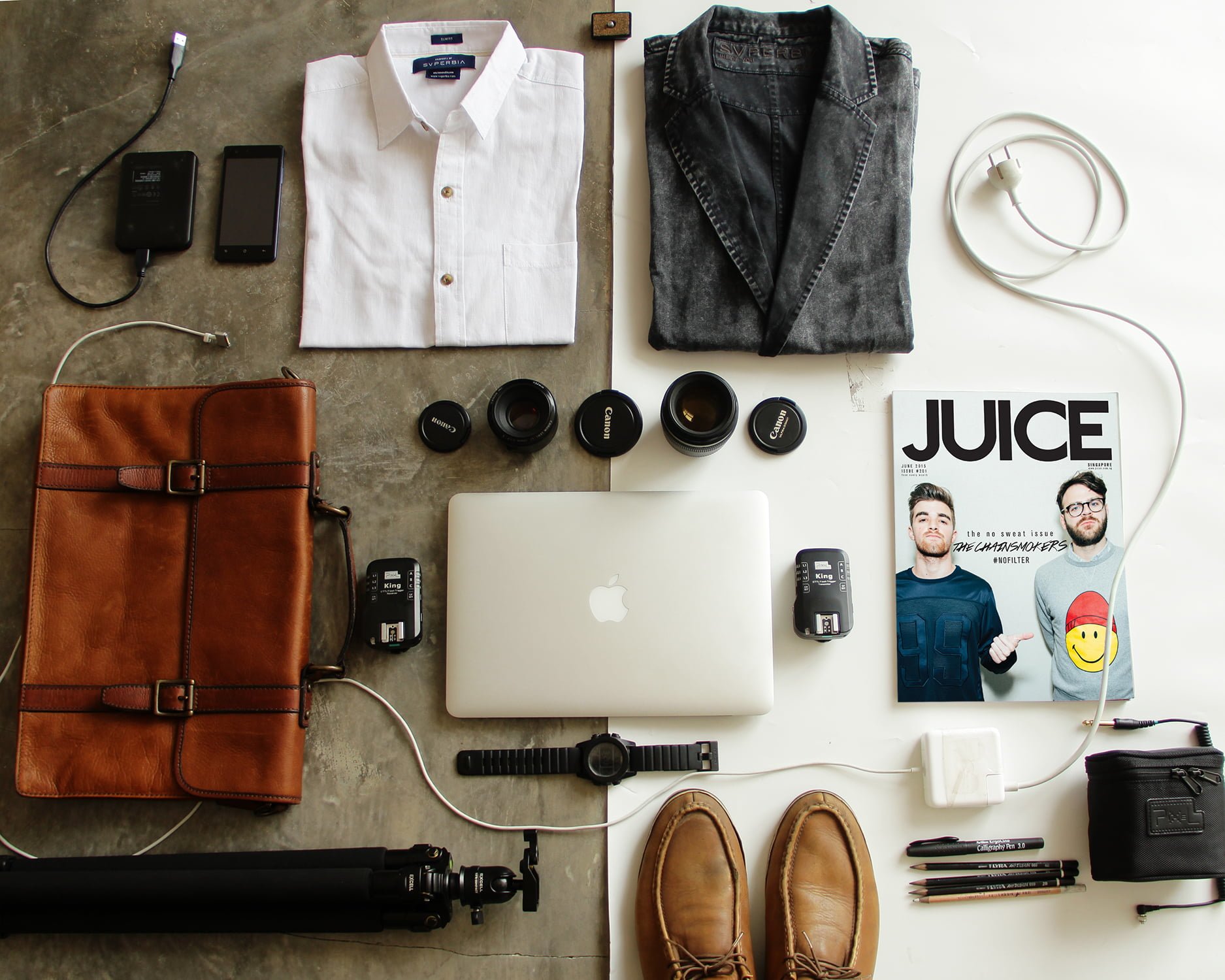
Clubs and batons of all materials, hoes, hammers, axes, screwdrivers, metal rakes, awls, saws, chisels, ice axes, iron chains, metal rulers exceeding 0.5 mm in thickness, camera tripods (with a tube diameter of 1 cm or more, extendable, and exceeding 60 cm when folded), and metal vernier calipers, or any other tools capable of bludgeoning or puncturing, are strictly prohibited from carry-on luggage.
Category 4: Firearms and Weapons
Toy guns of any material, as well as firearms, bladed weapons, police batons, and handcuffs authorized for transportation under the Firearms, Ammunition, and Knives Control Act and regulations governing police gear, are prohibited from carry-on luggage. Unlicensed firearms are illegal contraband outright and cannot be transported at all.
Additionally, stun guns and tasers containing explosives, compressed gas, or lithium batteries cannot be carried on your person, in hand luggage, or in checked baggage.
Category 5: Sporting Goods
Baseball bats, golf clubs, field hockey sticks, cricket bats, billiard cues, skateboards, kayak and canoe paddles, ice hockey sticks, fishing rods, high-powered slingshots, decorative swords, nunchaku, protective batons, and ice skates/cleats, which could potentially serve as offensive weapons, are all prohibited from carry-on luggage.
Category 6: Liquids, Aerosols, and Gels (LAGs)
Passengers on international flights carrying liquids, aerosols, and gels (LAGs) in hand luggage must ensure container capacities do not exceed 100 ml each. All containers must fit comfortably inside a single, transparent, resealable plastic bag with a capacity not exceeding 1 liter (approximately 20×20 cm) for easy security inspection. The bag must be completely sealed, and each passenger is limited to one transparent plastic bag. Items exceeding these limits must be placed in checked baggage.
Essential baby milk/baby food, medications, and medical liquids, gels, or sprays for diabetics or other medical conditions needed during the journey that do not comply with the above limits must be declared to Aviation Police Bureau security personnel at the checkpoint. Once official permission is granted, they may be taken aboard in carry-on luggage.
Category 7: Other Items
This category provides regulatory authority for security and customs to intercept items not explicitly listed above; any other item deemed capable of human manipulation that could jeopardize flight safety is prohibited from being brought aboard.
Last revised: March 22, 2017 (106th year of the Republic of China).
Support Independent Perspectives & In-Depth Insights
Every thoughtful analysis and candid critique comes from our dedication to truth and quality. We choose not to follow sensational algorithms or clickbait headlines.
Sustaining independent research requires reader support. Make a one-time or monthly contribution, securely processed by Google.
Payments secured by Google · Manage or cancel anytime in your Google Account

Comments