
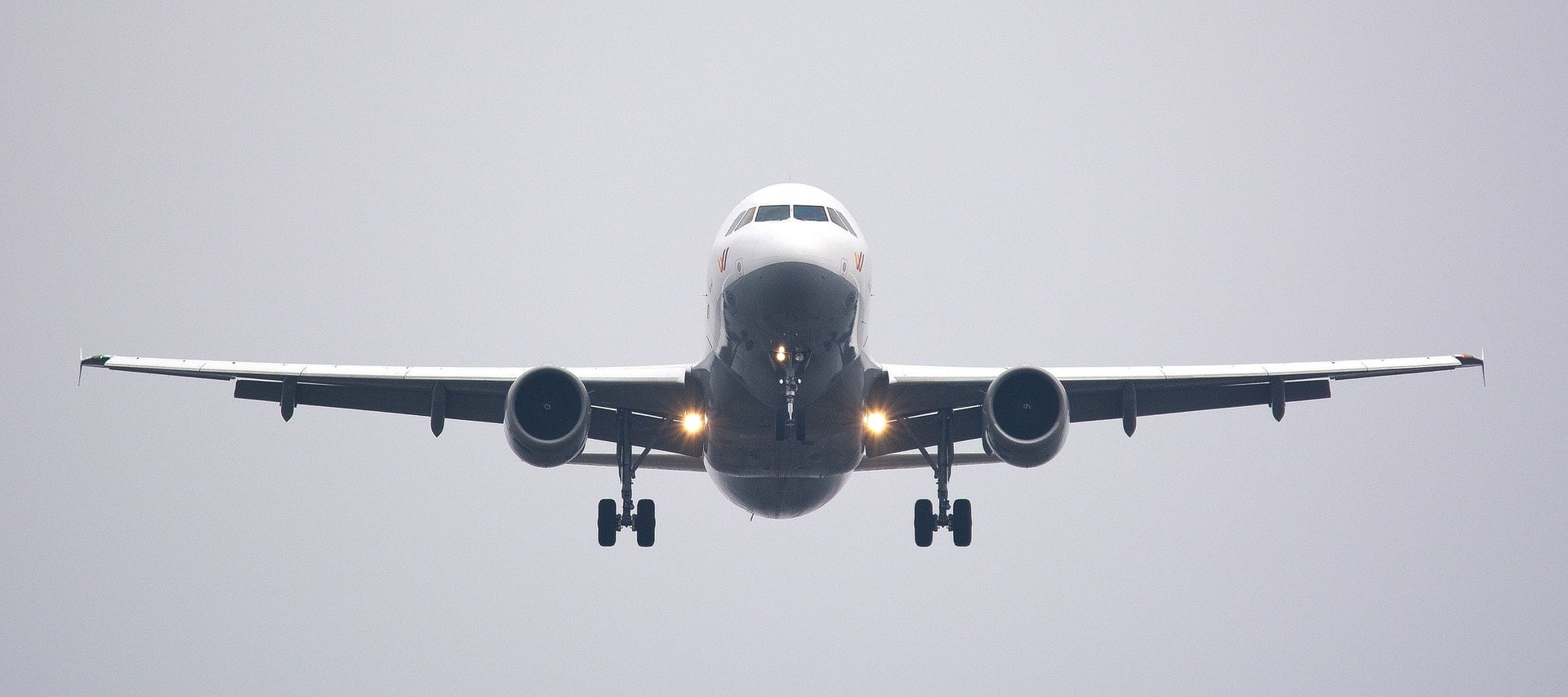
Australia-based AirlineRatings previously conducted a comprehensive safety assessment of airlines around the globe, revealing that the world’s five most dangerous carriers were all based in Asia. In contrast, the Republic of China’s (ROC) carriers, China Airlines and EVA Air, earned top scores with a 7-star safety rating, while TransAsia Airways, which ceased operations last year, had previously held a respectable 5-star rating.
According to the AirlineRatings website, the world’s most dangerous airlines were Nepal Airlines and Tara Air from Nepal, Kam Air from Afghanistan, SCAT Airlines from Kazakhstan, and Lion Air from Indonesia. Out of a maximum score of 7 stars, all five carriers received a critically low safety rating of just 1 star.
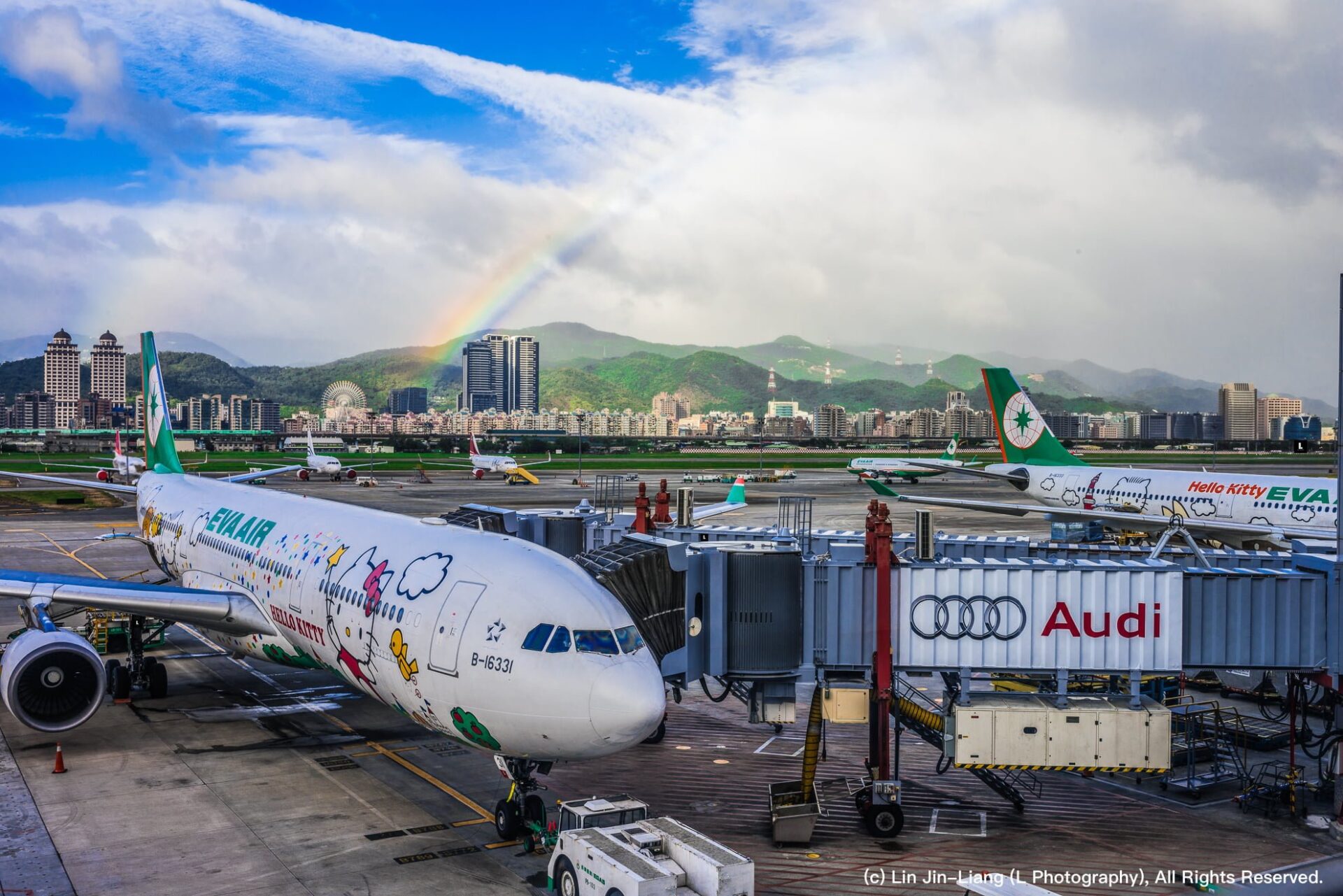
Additionally, both flag carriers of the Republic of China, China Airlines and EVA Air, received 7 stars. TransAsia Airways, which had suffered consecutive fatal crashes before shuttering, maintained a moderately high rating of 5 stars. Malaysia Airlines, which experienced two major aviation disasters in recent years, also received 5 stars, while AirAsia was rated at only 2 stars.
According to statistics from the International Air Transport Association (IATA), 94 fatal aviation accidents occurred worldwide between 2009 and 2013. Africa accounted for 23% of these incidents; while Asian carriers accounted for 18%, that figure remained substantially higher than Europe’s 3% and the Americas’ 13%. Arnold Barnett, a professor of statistics at the Massachusetts Institute of Technology (MIT), also pointed out that between 2008 and 2014, in developing nations primarily across Asia, one fatal crash occurred for every 6.3 million commercial flights. In African developing nations, that frequency rose to one fatal crash for every 1 million flights.
New York aviation attorney Justin Green also observed that while Asian air travel is on average safer than in Africa, aviation safety regulatory frameworks across much of Asia remain "**less advanced**" than those in Europe and North America, lagging behind Western standards by 10 to 20 years. Consequently, flying on carriers in developing Asian nations still carries a comparatively higher risk.
Support Independent Perspectives & In-Depth Insights
Every thoughtful analysis and candid critique comes from our dedication to truth and quality. We choose not to follow sensational algorithms or clickbait headlines.
Sustaining independent research requires reader support. Make a one-time or monthly contribution, securely processed by Google.
Payments secured by Google · Manage or cancel anytime in your Google Account

Comments