
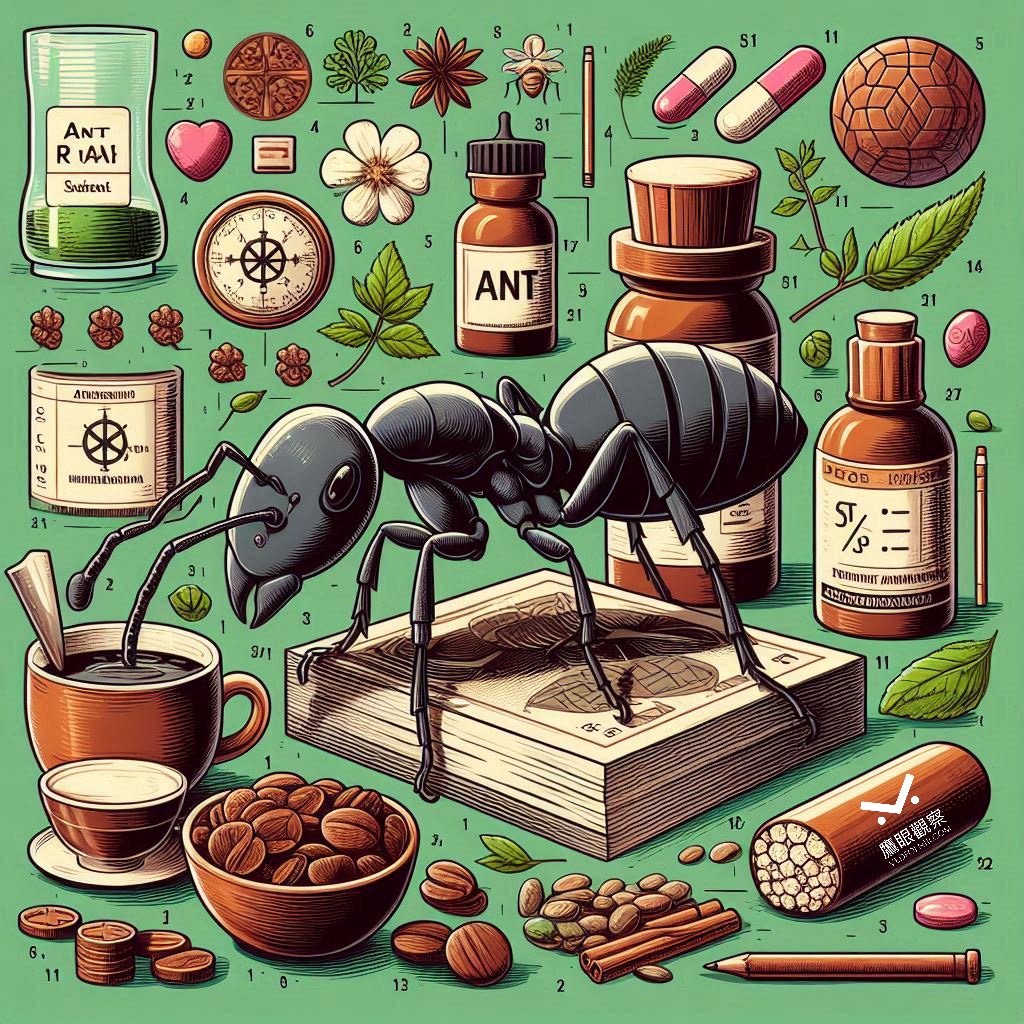
When dealing with common household pests such as mosquitoes, cockroaches, ants, and fleas, everyday physical exclusion methods often need to be complemented by chemical insecticides.
Although retail shelves are lined with dozens of pest control brands, most modern active ingredients belong to a class of synthetic compounds known as 「Pyrethroids」 (擬除蟲菊酯). Differences among these specific compounds determine how quickly they knock down insects, how long their residual protection lasts, and how safe they are around human beings and household pets.
This guide provides a comprehensive comparison of common household insecticide ingredients, along with specialized compounds frequently used in professional pest extermination and landscaping.
1. Common Household Insecticide Active Ingredients
| Active Ingredient | Common Name / INN | Key Characteristics | Target Pests | Human Safety Impact | Pet Safety Impact | Residual Duration | Typical Formats |
|---|---|---|---|---|---|---|---|
| Permethrin (必列寧) | Permethrin | First-generation pyrethroid, stable efficacy | Mosquitoes, fleas, cockroaches | Low mammalian toxicity; prolonged skin/respiratory contact may irritate | Highly toxic and lethal to cats; safe for dogs in topical flea treatments | Moderate (several days to 1 week) | Fabric insect repellent sprays, canine flea drops |
| Cypermethrin (賽滅寧) | Cypermethrin | High knockdown potency; standard environmental insecticide | Cockroaches, ants, fleas | Inhalation of high vapor concentrations may cause dizziness and nausea | Hazardous to both cats and dogs upon direct contact | Long (1 to 3 weeks) | Cockroach sprays, ant barrier treatments |
| Metofluthrin (美特寧) | Metofluthrin | Highly volatile at room temperature; exceptional mosquito repellent | Mosquitoes | Low toxicity; long-term indoor inhalation in unventilated areas may cause headaches | Low risk for dogs; avoid concentrated use in confined pet areas | Short | Electric mosquito vaporizers, insect-repellent hanging plates |
| Prallethrin (普亞列寧) | Prallethrin | Rapid action; instant knockdown power | Mosquitoes, flies | Low toxicity; vapor may mildly irritate sensitive airways | Direct contact should be avoided for cats and dogs | Short (several hours to 1 day) | Liquid mosquito diffusers, aerosol sprays |
| Cyphenothrin (賽酚寧) | Cyphenothrin | Strong knockdown; frequently blended with synergists | Cockroaches, mosquitoes, fleas | Low-to-moderate toxicity; excessive inhalation may cause dizziness | Potential health risk to domestic pets | Moderate (several days to 1 week) | Cockroach aerosol sprays, environmental flea foggers |
| Resmethrin (治滅寧) | Resmethrin | Fast knockdown action, but short residual persistence | Mosquitoes, flies | Low toxicity; heavy inhalation may cause lightheadedness | Direct exposure is discouraged for pets | Short (several hours) | Space sprays, outdoor thermal fogging |
| Cyfluthrin (氯氟氰菊酯) | Cyfluthrin | High potency at low application doses | Mosquitoes, cockroaches, fleas | Low toxicity; may trigger mild skin allergies in sensitive individuals | Potential risk to cats and small animals | Long (over 1 week) | Surface residual sprays, household multi-insect sprays |
These are the primary active ingredients found in consumer products across drugstores, supermarkets, and hardware stores.
2. Specialized Ingredients for Professional Disinfection and Landscaping
The following ingredients are widely utilized in professional pest management for subterranean termites, bed bugs, and structural barrier treatments, but are rarely formulated into over-the-counter home sprays:
| Active Ingredient | Common Name / INN | Key Characteristics | Target Pests | Common Applications |
|---|---|---|---|---|
| Bifenthrin (百滅寧) | Bifenthrin | Non-volatile, highly stable, exceptionally long soil persistence | Ants, termites, fleas | Garden lawns, perimeter soil barriers, structural termite prevention |
| Deltamethrin (戴滅寧 / 氟氯氰菊酯) | Deltamethrin | Highly potent, broad-spectrum, widely used by certified technicians | Bed bugs, fleas, termites | Commercial pest control contracts, public health disinfection campaigns |
These compounds are classified as professional-use chemicals; consumers should avoid attempting do-it-yourself structural treatments without proper personal protective equipment.
3. Targeted Pest Application Summary
- Mosquitoes → Metofluthrin and Prallethrin offer the best vaporization and airborne knockdown performance; Permethrin is ideal for treating outdoor clothing and mosquito netting.
- Cockroaches → Cypermethrin, Cyphenothrin, and Cyfluthrin provide powerful physical knockdown and surface residual action.
- Ants → Cypermethrin for indoor perimeter lines; Bifenthrin for outdoor lawn barriers.
- Fleas → Permethrin for canine veterinary topicals; Cypermethrin and Cyphenothrin for environmental surface sanitization.
- Bed Bugs / Termites → Deltamethrin and Bifenthrin deployed by professional exterminators.
4. Human and Pet Safety Considerations
Human Health
Pyrethroids generally exhibit low acute mammalian toxicity because humans possess liver enzymes that metabolize these compounds rapidly. However, improper use in poorly ventilated spaces can cause skin irritation, tingling, or respiratory discomfort. Always ventilate rooms thoroughly after spraying.
Pet Health
- Cats: Cats are uniquely deficient in glucuronosyltransferase, a key liver enzyme required to metabolize pyrethroids. Compounds like Permethrin and Cypermethrin are severely neurotoxic to felines and can induce seizures, tremors, or fatal toxicity. Never use dog flea products on cats, and keep cats out of freshly treated areas.
- Dogs: Dogs metabolize Permethrin effectively, making it common in veterinary flea formulations. Nonetheless, avoid accidental ingestion or direct spray into eyes and muzzles.
- Fish, Birds, and Reptiles: Pyrethroids are acutely toxic to aquatic organisms and cold-blooded animals. Always cover fish tanks and turn off aerators before treating indoor rooms.
5. What Is a Synergist (Piperonyl Butoxide / 協力精)?
In addition to the primary insecticide compounds, commercial formulations often include a chemical synergist, most commonly Piperonyl Butoxide (PBO).
Synergists do not kill insects directly. Instead, they inhibit the insect’s internal detoxifying enzymes (such as cytochrome P450 monooxygenases), preventing the pest from breaking down the pyrethroid molecules. This dramatically amplifies the lethal potency of the primary active ingredient while allowing manufacturers to use smaller chemical dosages.
For humans and pets, synergists have low acute toxicity, but products containing them should still be used in well-ventilated areas to prevent respiratory irritation.
6. Conclusion
Although most common commercial insecticides rely on pyrethroid compounds, their knockdown speed, residual duration, and safety profiles vary considerably:
- For mosquito control: Opt for Metofluthrin or Prallethrin (low-toxicity, high-volatility diffusers).
- For roaches and ants: Choose Cypermethrin or Cyphenothrin for strong knockdown and barrier durability.
- For flea management: Use Permethrin only on dogs; apply Cypermethrin carefully for ambient floor treatments.
- In homes with cats: Strictly avoid any products containing Permethrin or concentrated Cypermethrin.
Carefully inspecting the ingredient label ensures effective pest eradication while keeping your family and beloved pets completely safe.
Support Independent Perspectives & In-Depth Insights
Every thoughtful analysis and candid critique comes from our dedication to truth and quality. We choose not to follow sensational algorithms or clickbait headlines.
Sustaining independent research requires reader support. Make a one-time or monthly contribution, securely processed by Google.
Payments secured by Google · Manage or cancel anytime in your Google Account


Comments