
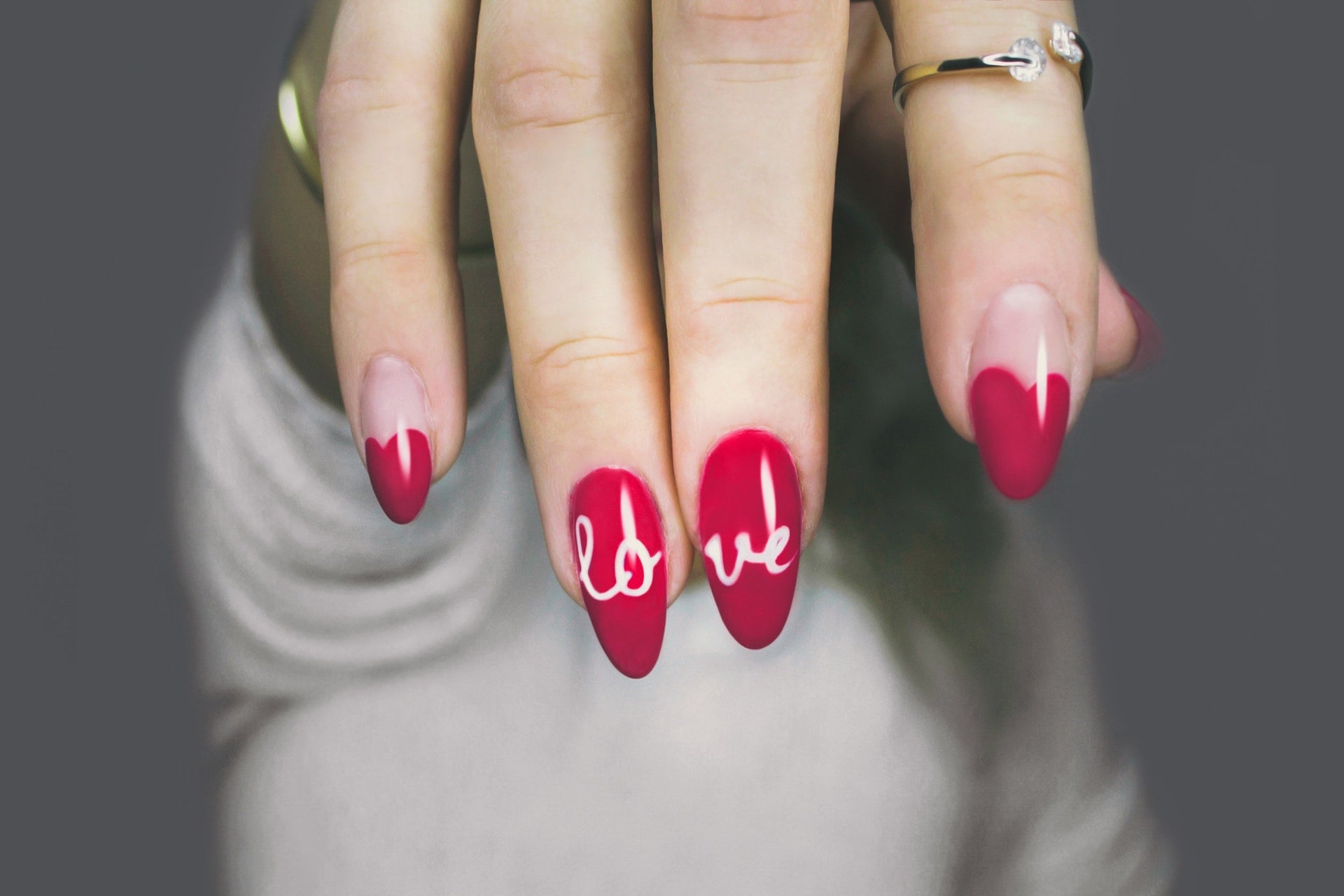
Human nails are composed of densely packed keratin protein sheets, serving as external shields protecting delicate fingertip nerves. However, frequent manicures, acrylic overlays, and low-grade polishes laden with volatile organic solvents and synthetic dyes can severely damage the nail matrix, causing brittle, peeling, and discolored nails.
Standard commercial nail polish contains quick-drying volatile solvents (acetone, ethyl acetate), film-forming resins (nitrocellulose), plasticizers (such as dibutyl phthalate / DBP), and synthetic pigments.
To safeguard consumer health, the Taiwan Food and Drug Administration (TFDA) and Dr. Tseng Te-peng, Director of Dermatology at Taiwan Adventist Hospital, recommend five foundational nail care guidelines (護甲五妙招):
The 5 Dermatologist Principles of Nail Safety
1. Verification of Product Labeling
Carefully inspect product packaging for mandatory statutory labeling: full ingredient declarations, lot numbers, manufacturer details, and expiration dates. Avoid unbranded or suspiciously cheap cosmetic products from unregulated night markets that may contain banned toxic chemicals like benzene, toluene, or high-dose formaldehyde.
2. Hygiene and Tool Sterilization
Regularly sanitize metal manicure tools (cuticle nippers, clippers, nail files) with 75% isopropyl alcohol wipes between uses to prevent bacterial infections and fungal paronychia.
3. Mindful Application
- Never apply polish over inflamed nail folds or infected nail beds.
- Avoid painting directly onto surrounding skin or the eponychium (cuticle).
- Allow nails periodic “rest periods” of several weeks between applications. Continuous back-to-back manicures dehydrate keratin layers, leaving nails paper-thin and prone to cracking.
4. Ventilation
Always apply nail polish in a well-ventilated room or near an open window to prevent inhaling volatile aromatic solvents, which can cause dizziness, headaches, and mucous membrane irritation.
5. Safe Polish Removal
Nail polish removers typically rely on acetone, a potent organic solvent that strips natural lipids and denatures nail keratin, causing yellowing and brittle edges:
- Use cotton swabs or lint-free pads to target the nail plate precisely, minimizing contact with surrounding skin.
- Wash hands thoroughly with mild soap immediately after removing polish.
- Daily application of simple petroleum jelly (Vaseline) or cold-pressed jojoba oil to the cuticle perimeter nourishes the nail matrix far better than chemical “nail hardener” lacquers.
Support Independent Perspectives & In-Depth Insights
Every thoughtful analysis and candid critique comes from our dedication to truth and quality. We choose not to follow sensational algorithms or clickbait headlines.
Sustaining independent research requires reader support. Make a one-time or monthly contribution, securely processed by Google.
Payments secured by Google · Manage or cancel anytime in your Google Account



Comments