
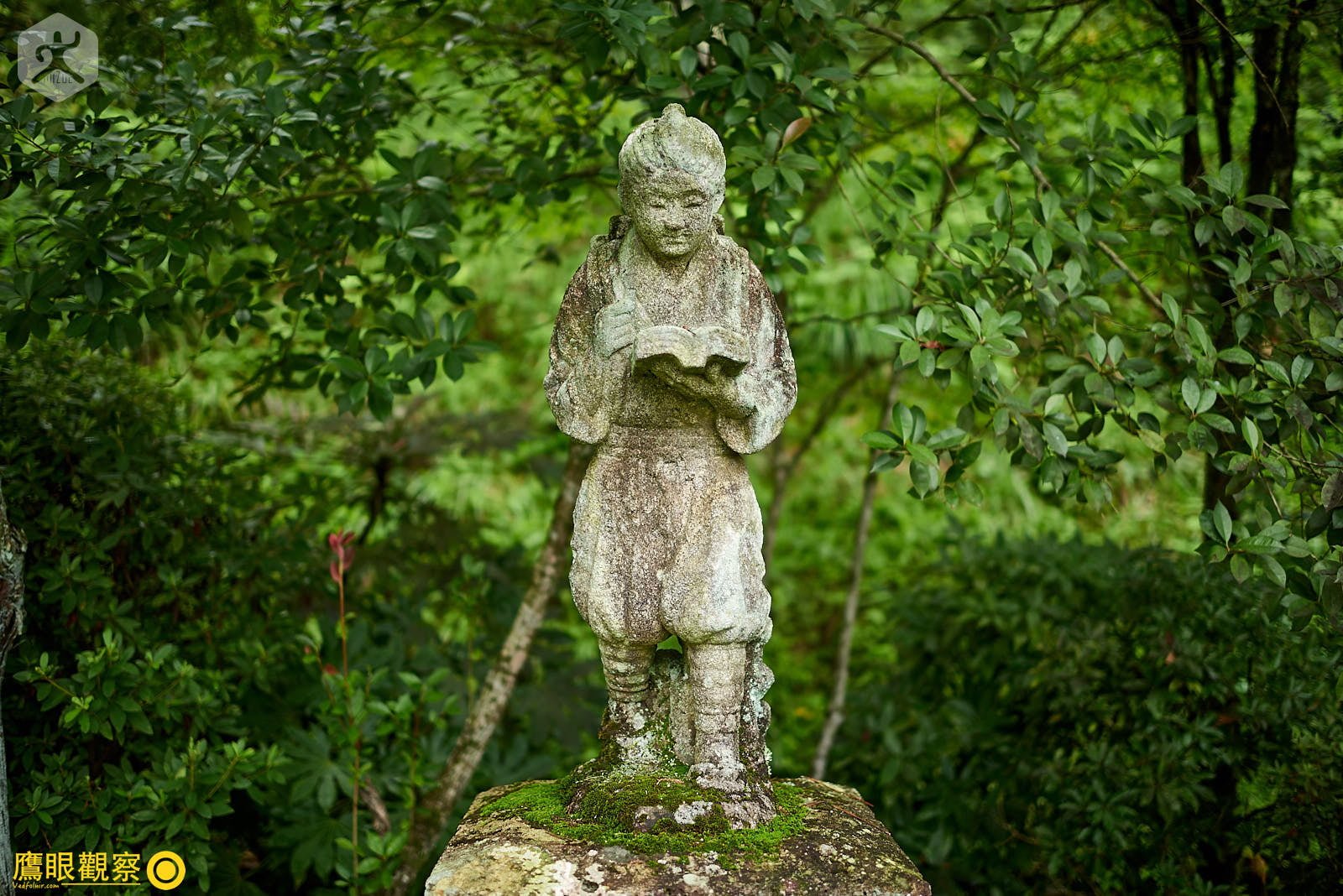
Since the outbreak of the COVID-19 pandemic, countries around the world entered a state akin to closing their borders, and only recently have they gradually reopened. I believe many people have already started buying plane tickets, preparing to travel abroad to the places they have long missed, to relieve the gloom of having stayed home for the past three years.
Because of their geographic proximity, Japan is the first country many people want to visit after the pandemic reopening.
Today Mizuc will introduce what noteworthy changes await when you revisit Japan after 3 years, so that those planning a trip to Japan will not be caught off guard!
Shopping Tax Refunds
For many people traveling to Japan, the most important part of the itinerary is surely shopping up a storm, and I believe what everyone cares about most is the tax refund issue.
Compared with three years ago, the most obvious change is also this point. Now when you check out, the merchant directly registers the tax information online, so you no longer have to staple a thick stack of tax refund slips onto your passport as in the past.
Although going digital means our passports will no longer be full of holes and scars, it seems we have also lost a tiny bit of satisfaction (gazing into the distance).
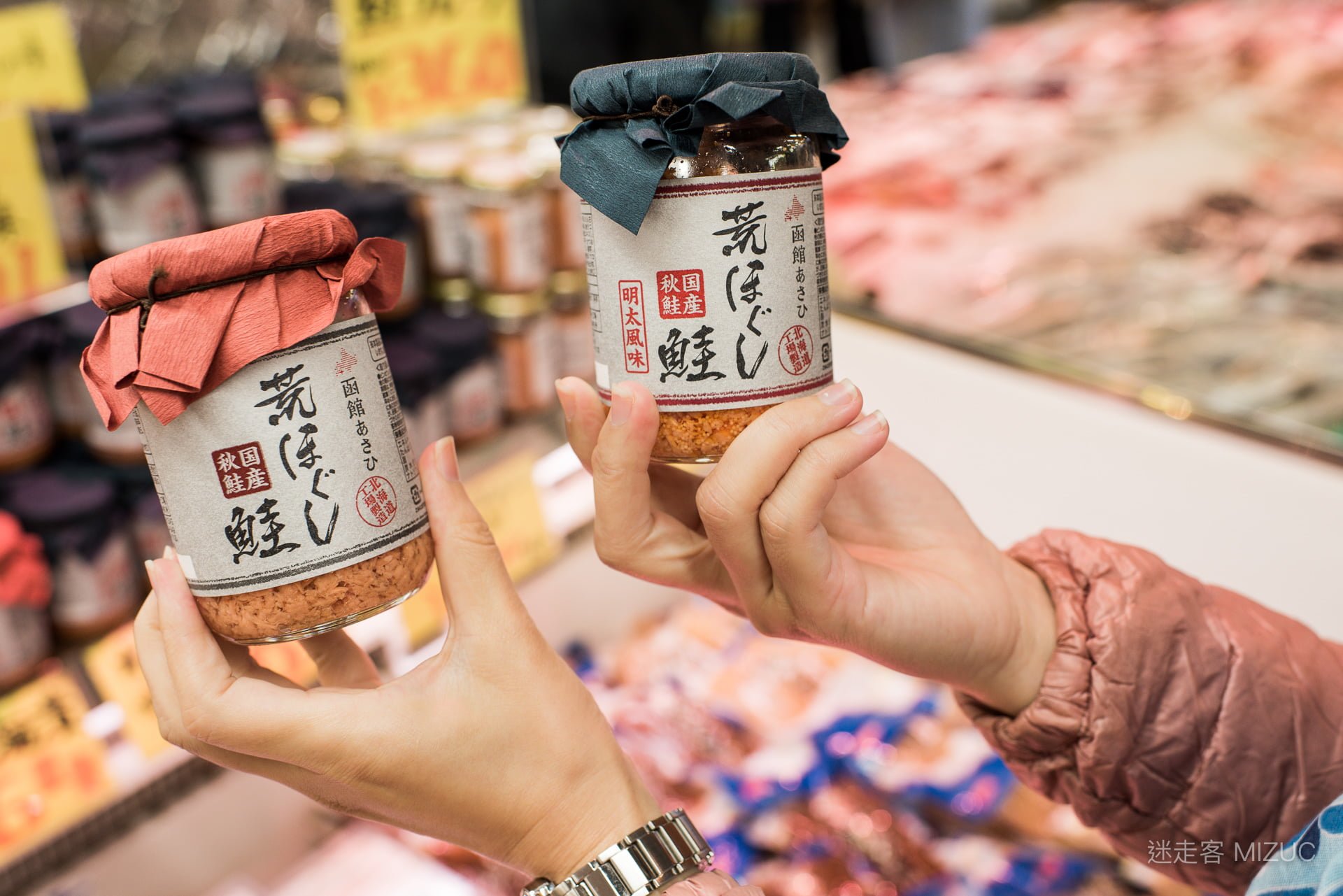
Ibaraki Prefecture fish market, Japan
Different Tax Rates for Dine-In and Takeout
This time at a convenience store in Japan, I discovered something surprising. The consumption tax actually differs by as much as 2% depending on whether you dine in or take out.
Now if you want to eat in the seating area, the consumption tax is 10%. If you take out, the tax rate is only 8%.
Of course, if you want to be a cheapskate, you can buy one item to eat in and the rest to take out, and most of the time the store will charge you the 8% consumption tax rate.
Shopping Plastic Bags
Japan is a country where tradition and advanced development coexist. In fact, although their overall environment is tidy, from an outsider’s perspective there are inevitably some things that seem a bit unbelievable.
For example, when selling goods they provide large amounts of free plastic bags with excessive packaging. However, from the government and private companies to ordinary citizens, Japan’s entire resource recycling chain is carried out very thoroughly, making it more environmentally friendly than many countries that only do things halfway.
In fact, even three years ago before the pandemic, when Mizuc traveled in Japan, I had gradually noticed that some supermarkets and stores had begun requiring an extra fee for plastic bags.
So now, three years later, it feels like no matter where you shop, you need to pay to get a plastic bag.
Well, although this is a bit more environmentally friendly, for us independent travelers it may not exactly be good news.
Drugstores
Drugstores, which many people love most, are actually something Mizuc rarely visits in Japan, at most buying single items for relatives and friends, so most of the time it is settled in one stop at Don Quijote.
However, over the past 3 years, amid the recession caused by the loss of large numbers of foreign tourists, you can feel that drugstores on the streets seem to have largely disappeared.
This is actually the opposite of the streets on the island of Taiwan. Mizuc recently often says that claw, medicine, and wash are the landlords’ favorite trio (claw machines, pharmacies, and self-service laundromats).
Line Pay and Jiekou Payment
Jiekou Payment and Line Pay, which worked hard to break into the Japanese market a few years ago, on this trip to Japan, Mizuc found that although stores offer the service, the payment actually failed to go through when swiped, so in the end credit cards and Japanese yen cash were the safest.
If anyone knows the reason, please be sure to leave a comment and tell Mizuc!
Chinese-Speaking Staff (Duty-Free Shops, Hotels, Car Rental)
In the Japanese tourism market of a few years ago, there were large numbers of Chinese people from mainland China, Hong Kong, and Taiwan, so large duty-free shopping stores like BicCamera and Don Quijote, car rental companies, and large hotels would hire Chinese-speaking staff, so that tourists who did not understand Japanese could smoothly shop, stay[1], and rent cars[2].
Apart from Japanese people who had specially learned Chinese themselves, most of these staff were hired from university cooperative education programs (such as tourism departments) and Chinese students studying (or on short-term study) in Japan.
But during the 3-year pandemic storm, not only was the number of international students affected, but the industry’s demand for Chinese-speaking staff also dropped sharply.
Over the course of a whole trip, whether at car rental companies or duty-free shops, I could not find any staff who could provide Chinese service. So please be prepared to communicate with hand gestures and sign language[3].
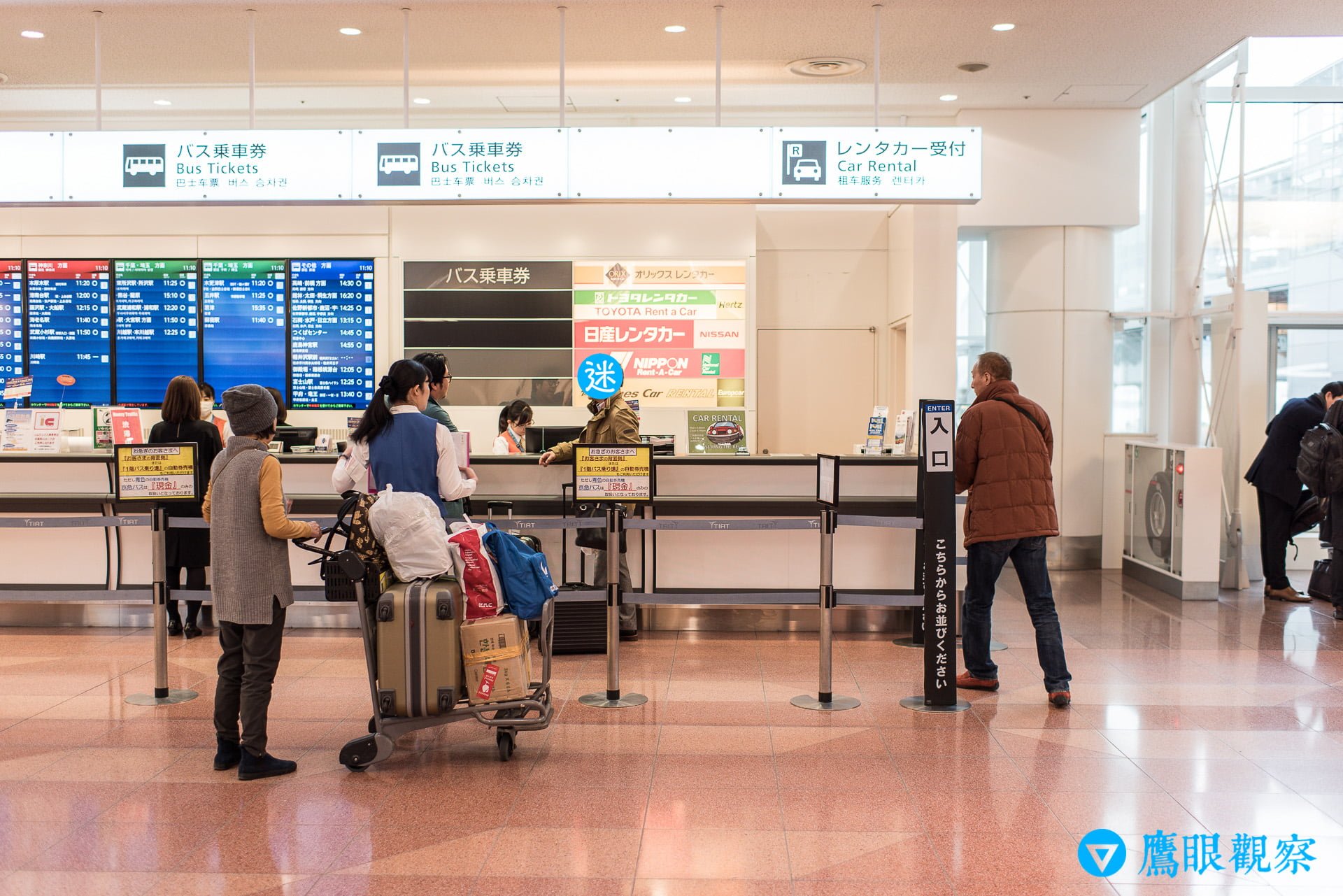
Orix car rental airport counter, Japan
However, after waiting a while longer, once the number of Chinese tourists received by each merchant grows steadily, I believe they will rehire Chinese-speaking staff.
What. You think English will work too?
Well, it depends on your luck. After all, Japan has never had the unrealistic fantasy that randomly forcing bilingual learning would make the country strong.
Electronic Toll Collection at Highway Toll Booths
Due to the impact of the COVID-19 pandemic, in order to avoid direct person-to-person contact, the Japanese government also brought about rapid change at highway toll booths.
Previously, the toll booths at national highway interchanges across the entire Japanese archipelago operated on a dual track of ETC electronic toll collection and manual toll collection.
Mizuc even particularly preferred taking the general manual toll lane, since travel is a chance to enjoy cultural exchange with a foreign country, and of course we cannot miss the toll booth ladies! (Though a lot of them are actually middle-aged men.)
Now, after the reopening, if you go to Japan again, you will find that many interchange toll booths can only use ETC cards for automatic payment, greatly reducing the chance of contact between highway toll collectors and large numbers of drivers.
But if you really could not rent an ETC card, or temporarily lost it, there is no need to worry too much. The current planning of Japanese toll booths still provides on-site staff to assist.
You just need to find a button on the ETC toll machine and press it, and a real person will come out of the machine and give you a payment slip to pay online within 10 days. Then, whether you are back at the hotel or back in your home country, just pay within the deadline.
Pandemic Prevention Strategy
Currently, getting a PCR nucleic acid test in Japan is easier than in the Republic of China. Even department stores can do it, with no queue and no appointment, and it is even free. If you are not paying attention, you might think it is some kind of meeting room.
Although wearing a mask still protects you better, whether on the streets or in indoor spaces, more and more people are not wearing masks. Even when a sticker saying “Please wear a mask when talking” is posted on an indoor table, you can still see some people not complying.
References
- Japan accommodation (Hotel booking of Japan)
- Japan car rental (Japan Car Rental)
- Will an unfamiliar language stop you from becoming a free-traveling backpacker?
Support Independent Perspectives & In-Depth Insights
Every thoughtful analysis and candid critique comes from our dedication to truth and quality. We choose not to follow sensational algorithms or clickbait headlines.
Sustaining independent research requires reader support. Make a one-time or monthly contribution, securely processed by Google.
Payments secured by Google · Manage or cancel anytime in your Google Account



Comments