
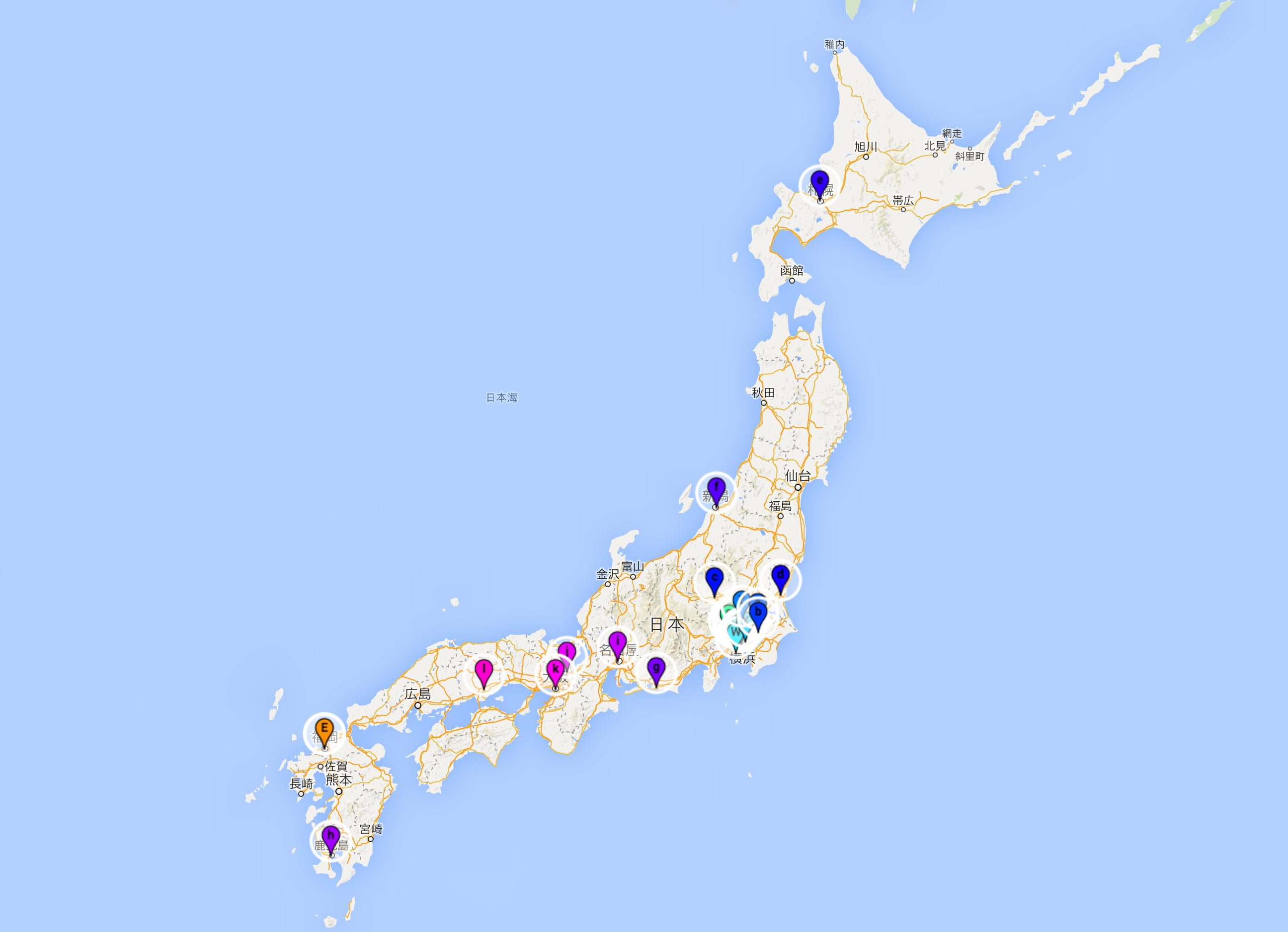
Decades ago, when international travel was less common and electronics tariffs were high, asking friends visiting Tokyo or Akihabara to bring back cameras and lenses offered massive savings.
In today’s era of transparent cross-border e-commerce and competitive domestic parallel import merchants, is buying camera bodies and lenses in Japan still genuinely worth it?
Here is a definitive breakdown of price realities, repair policies, and veteran gear-purchasing strategies across Japan retail, domestic parallel imports (grey market), and official domestic distributor models.
1. Myth Debunked: Are New Cameras Actually Cheaper in Japan?
Novices often assume that major Japanese big-box retailers (Bic Camera, Yodobashi Camera, Yamada Denki) offer camera bodies at massive discounts.
However, calculating the actual numbers tells a different story:
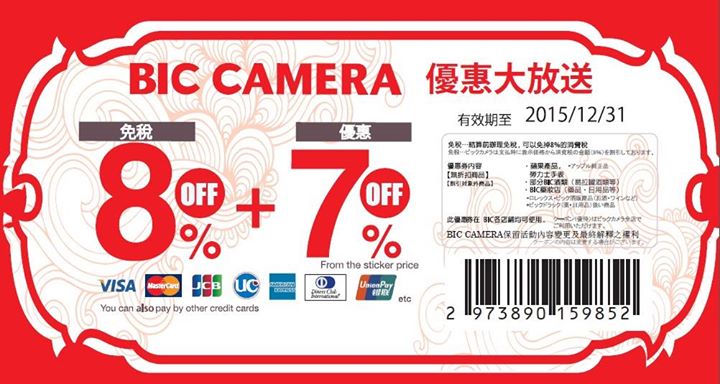
- New Popular Camera Bodies & Lenses: Even factoring in 8%–10% tourist tax-free discounts combined with 5%–7% credit card promotional coupons, converted retail prices in Japanese yen are often identical to—or occasionally higher than—cash prices offered by established parallel importers in Taipei’s historic Bo’ai Road camera district.
- Burning valuable holiday time queuing and price-hunting across crowded department stores just to save a few dollars rarely pencils out.
2. Post-Sales Warranty and Service Pitfalls
The biggest hazard of buying new camera hardware abroad is warranty support:
- The “Grey Market Inspection Fee” Penalty: Authorized distributors in Taiwan aggressively protect their domestic margins. If you bring an overseas-purchased camera body to an authorized service center for repairs, you are often charged an immediate non-refundable inspection triage fee of NT$2,000 to NT$5,000 before an engineer even opens the casing.
- Shipping Back to Japan: Routing gear back to original Japanese service centers through third-party logistics entails costly international insured EMS freight and turnaround delays spanning 1 to 3 months.
- The Domestic Parallel Importer Advantage: Buying a parallel import from a reputable domestic camera store generally includes a one-year in-store warranty (店保) backed by certified local technicians, avoiding overseas triage penalties.
3. The Veteran’s Golden Gear Strategy
Seasoned photographers in Taiwan follow a time-tested procurement formula:
Rule 1: Always Buy Camera Bodies with Official Domestic Warranties (公司貨)
Modern mirrorless bodies are sensitive digital computers packed with complex IBIS sensor shifts, delicate electronic shutters, and microchips. They suffer the highest rates of firmware and hardware faults. Official distributor units come with localized warranties, free lifetime sensor cleaning services, and retain far better resale value on secondhand markets.
Rule 2: Buy Lenses via Parallel Import or Japanese Used Markets
Lenses consist primarily of optical glass elements, metal barrels, and focus actuators. They rarely fail without direct drops or moisture mold. Renowned independent repair workshops in Taiwan repair mechanical lenses quickly and affordably, making the 15%–25% savings on grey-market or used lenses an excellent economic trade-off.
4. What Is Genuinely Worth Buying in Japan?
- Pristine Used Cameras and Vintage Optics (Map Camera, Fujiya Avic): Japan’s secondhand camera ecosystem is world-renowned for meticulous grading. Items graded “Grade A/AB” are virtually indistinguishable from brand new, with transparent pricing.
- High-End Japanese Accessories:
- Bags & Straps: Handcrafted Artisan & Artist silk cords and Yoshida Porter camera bags offer extensive color selections at attractive tax-free rates.
- Optical Filters: Premium brass filters and polarizers (Marumi EXUS, Kenko Zeta, Hoya HD) typically retail 20% to 30% cheaper in Tokyo than overseas.
Support Independent Perspectives & In-Depth Insights
Every thoughtful analysis and candid critique comes from our dedication to truth and quality. We choose not to follow sensational algorithms or clickbait headlines.
Sustaining independent research requires reader support. Make a one-time or monthly contribution, securely processed by Google.
Payments secured by Google · Manage or cancel anytime in your Google Account




Comments