
Once, while flying to National Taitung University (NTTU) for a conference, I used a break to take a walk around the neighborhood and snapped the photo below. This short trip in eastern Taiwan was centered on National Taitung University, tracing a circular route along the main avenues and narrow lanes just outside the campus perimeter.
This walking route is one of the best ways to save time while gaining a deep feel for the surrounding environment. It keeps your perspective broad, and by piecing together the everyday neighborhood elements, you can mentally reconstruct the local way of life. It remains my favorite observational method when traveling independently on foot.
If you are not pressed for time while traveling, I highly recommend adopting this approach to observe your surroundings—you will undoubtedly discover novelty in things previously overlooked.
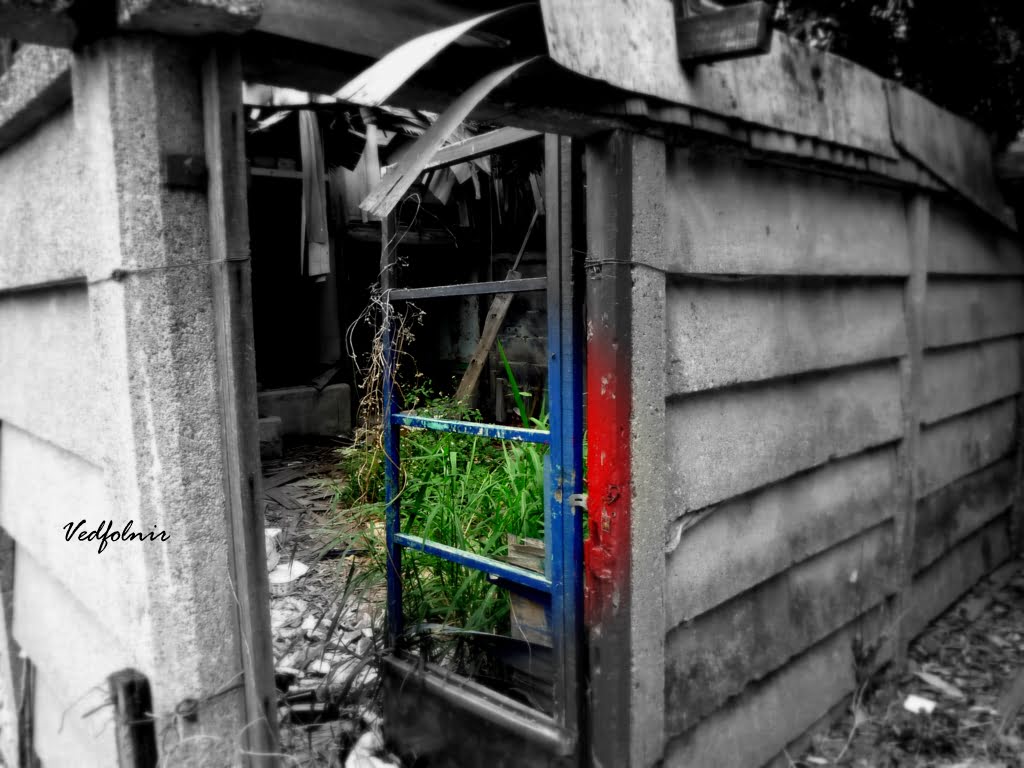
Old building beside the Railway Art Village (Photo / Chin-Liang Lin)
After walking along the outer edge of National Taitung University for a while, I noticed that the surrounding land had not yet caught up with urban development (perhaps state-owned public land?). As a result, dilapidated and unoccupied wooden houses from the Japanese colonial era stood scattered across the area.
A few years ago, after relocating the train station to a distant new facility, the local Taitung government revitalized the old train station and defunct railway lines. Centered along Tiehua Road, both sides were transformed into the sprawling green expanse of the Taitung Railway Art Village.
Perhaps because the local population is relatively small, and because I visited right around midday, you could hardly spot any living soul while walking through (inner voice: don’t misuse vocabulary), which made the atmosphere feel all the more tranquil and secluded.
As for whether the scenery transforms into something completely different at night, I cannot say for certain (laughs).
Perhaps due to this quiet solitude, although most of these aging homes have partially collapsed from decades of exposure, their weathering carries a surprisingly refreshing, rustic charm. I still remember that day being the height of summer in Taitung; the weather in eastern Taiwan was impossibly clear and radiant—so bright that even images captured by Google Street View cars looked remarkably striking.
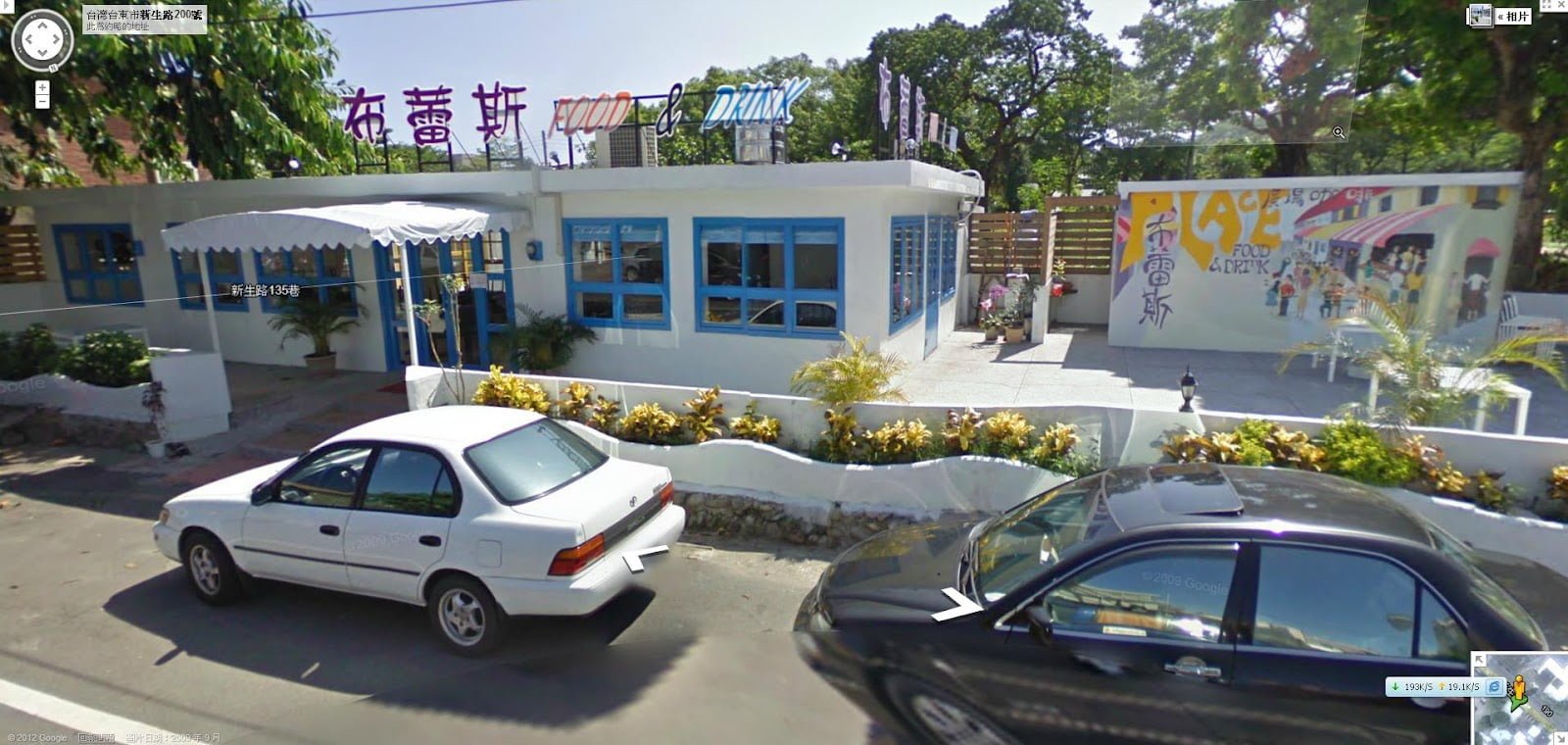 Google Street View: “Taitung Brace”
If these historic homes in the area could be carefully restored and preserved, I am certain they could host numerous highly creative and innovative cultural projects.
I only hope the Taitung authorities show some wisdom and avoid following Tamsui’s example of systematically demolishing historic houses just to put up another strip of cookie-cutter cafes.
Support Independent Perspectives & In-Depth Insights
Every thoughtful analysis and candid critique comes from our dedication to truth and quality. We choose not to follow sensational algorithms or clickbait headlines.
Sustaining independent research requires reader support. Make a one-time or monthly contribution, securely processed by Google.
Payments secured by Google · Manage or cancel anytime in your Google Account


Comments