
In 2000, UNESCO designated Katsuren Castle (Katsurenjo Ato) in Okinawa, Japan, as a World Heritage site. Recently, archaeologists excavating the site uncovered ten ancient bronze coins. Following detailed X-ray fluorescence analysis, experts identified them as ancient currency originating from the Roman Empire dating back to 300–400 AD, sending shockwaves through the global archaeological community.
According to reports by the British Daily Mail, Katsuren Castle was established in the late 13th to early 14th century and abandoned roughly two centuries later. The excavation team, which has been conducting fieldwork at the site since 2013, uncovered Roman coins there for the very first time. Archaeologist Hiroki Miyagi remarked, “At first I thought they were one-cent coins dropped by American soldiers. But after washing them in water, I realized they were far older, which left me utterly astounded.”
The discovery of ancient Roman coins in Okinawa, Japan, has fascinated researchers. X-ray examinations revealed that several dime-sized coins bear relief carvings of Latin letters, along with depictions believed to represent Roman Emperor Constantine I and spearmen soldiers. Other coins discovered at the site date from a later era, originating from the 17th-century Ottoman Empire. This marks the first time that genuine Roman Empire currency has been excavated in Japan, thousands of kilometers away from its point of origin.
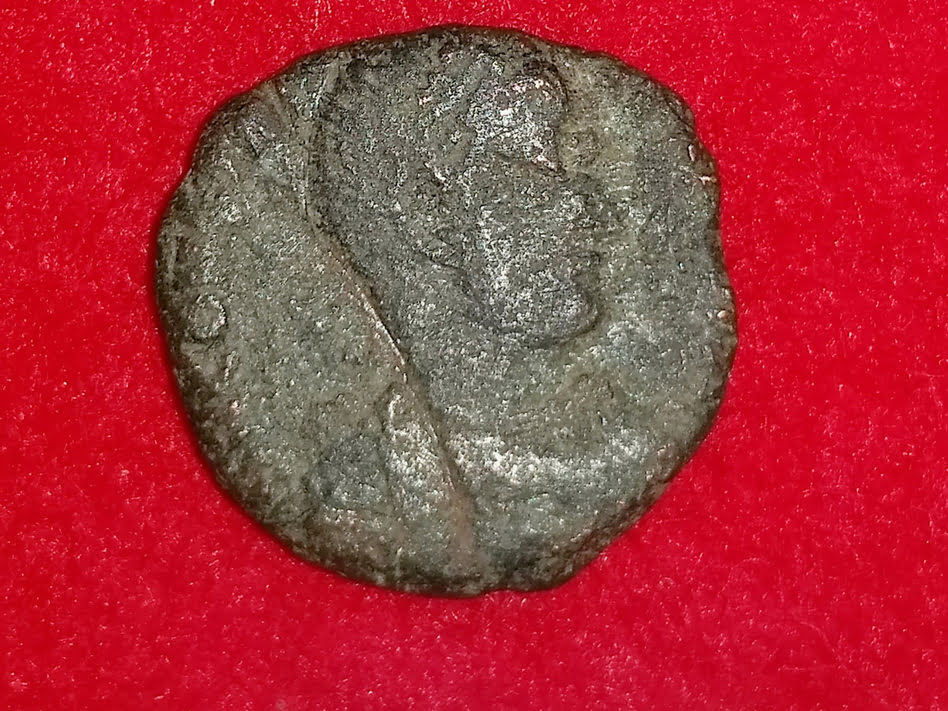 Ancient Roman coins discovered in Okinawa, Japan, astonishing archaeologists.
Historical records indicate that the Ryukyu Kingdom maintained friendly ties with China and engaged in vibrant maritime commerce across East and Southeast Asia. Researchers noted that this is a captivating historical puzzle: while it remains uncertain how these ancient coins traveled across oceans to reach a distant Okinawan castle, their presence suggests that Japan and Europe may have had indirect trade links earlier than previously recognized.
The archaeological team is carrying out further metallurgical tests, and the coins were put on public display at the Uruma City Museum through late November. As scholars puzzle over how 4th-century Roman coins journeyed to ancient Ryukyu, playful netizens quipped: “They must have traveled through a Roman bathhouse!” (referencing the popular time-travel bath comedy Thermae Romae).
Support Independent Perspectives & In-Depth Insights
Every thoughtful analysis and candid critique comes from our dedication to truth and quality. We choose not to follow sensational algorithms or clickbait headlines.
Sustaining independent research requires reader support. Make a one-time or monthly contribution, securely processed by Google.
Payments secured by Google · Manage or cancel anytime in your Google Account




Comments