
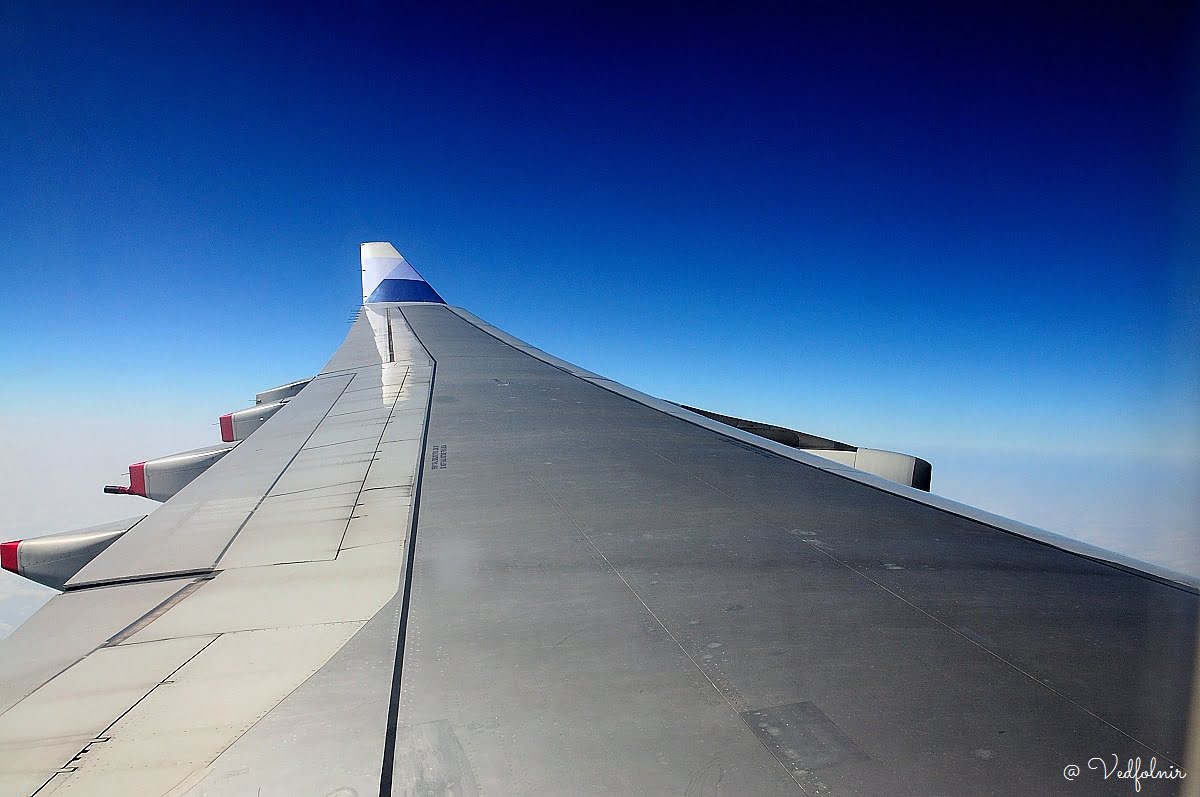
Last night, I came across a piece of news that caught Mizuc by surprise. According to breaking news published on the Companies China website titled “Air China to acquire Cathay Pacific Airways”, Mainland China’s flag carrier Air China may officially acquire Hong Kong’s Cathay Pacific Airways, an airline with a 71-year history.
With total assets reaching NT$685.7 billion, if Cathay Pacific is indeed acquired by Air China—which boasts total assets of NT$990.6 billion—it would undoubtedly be the most monumental merger in Asia’s aviation sector in recent years.
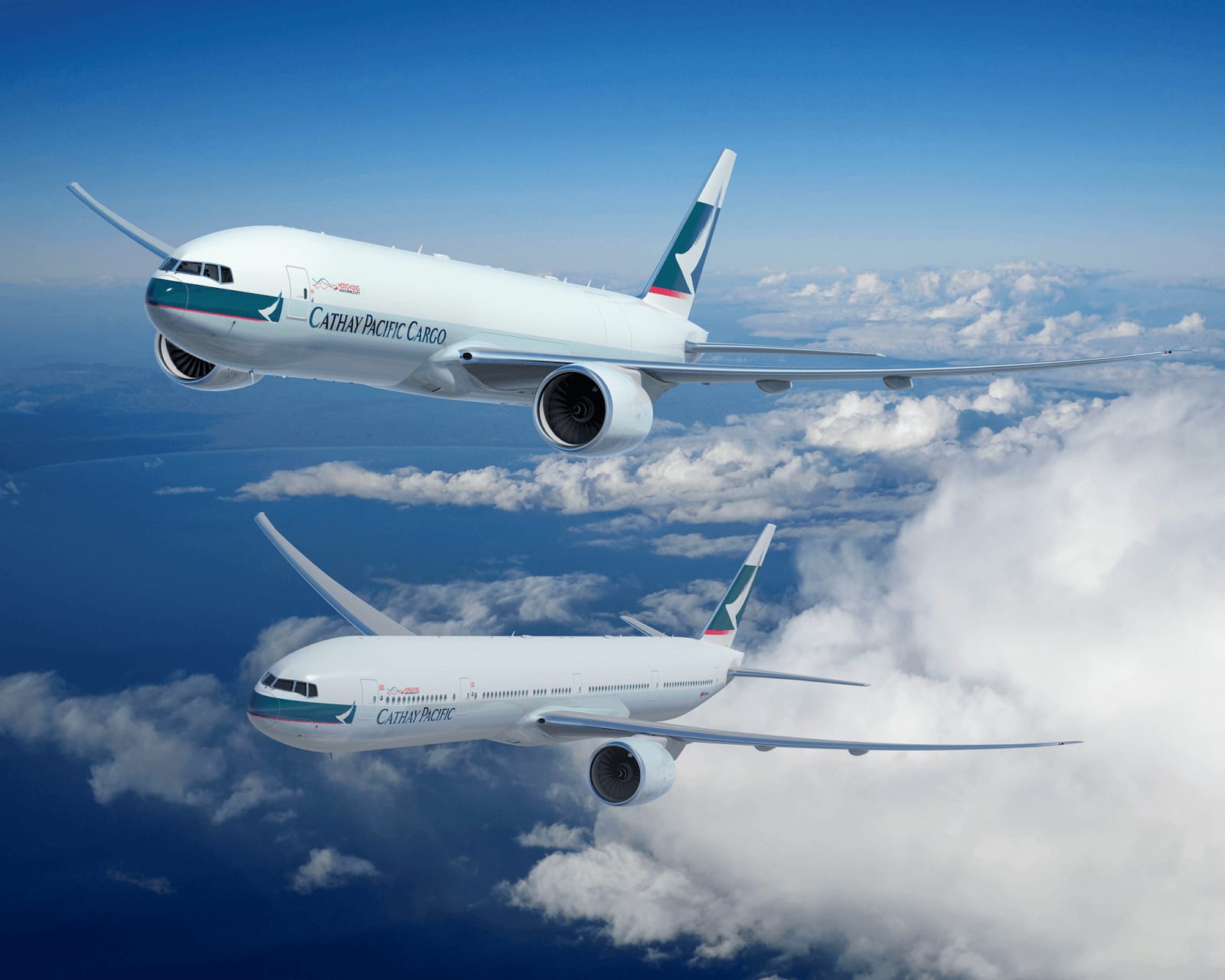
Cathay Pacific has long enjoyed an excellent reputation in the global aviation market. Over the years, it has won the authoritative aviation rating organization Skytrax’s “Airline of the Year” award multiple times and has been rated as one of its “5-Star Airlines”. Its service quality is widely trusted, and it frequently offers attractive international airfares, making it the top choice for many travelers flying to the Southern Hemisphere, Central Asia, and Europe.
In contrast, while Air China’s flight safety and service have gradually improved in recent years, its ratings remain at an average of three to four stars. However, with the boom of low-cost carriers and the narrowing perceived difference between service quality and price ratios, Cathay Pacific suffered a loss of NT$2.2 billion last year. On the other hand, Air China continued to generate profits as high as NT$30 billion within its broad niche markets.
In fact, as early as 2009, Air China spent NT$6.3 billion to purchase 490 million shares of Cathay Pacific, representing 12.5% of Cathay’s equity, bringing Air China’s total holding to 29.99%.
If this acquisition is successfully concluded with Swire Group, Cathay’s subsidiaries Cathay Dragon and AHK Air Hong Kong may also be brought under Air China’s wing. As a result, the local aviation landscape in Hong Kong would become a three-way contest among Air China, China’s Hainan Airlines (Hong Kong Airlines), and the local Stanley Ho family’s Hong Kong Express Airways (HK Express). Moreover, through a deep realignment of flight routes and aircraft exchanges, Air China could maximize the group’s profitability across aviation markets.
Official Website: Cathay Pacific
Support Independent Perspectives & In-Depth Insights
Every thoughtful analysis and candid critique comes from our dedication to truth and quality. We choose not to follow sensational algorithms or clickbait headlines.
Sustaining independent research requires reader support. Make a one-time or monthly contribution, securely processed by Google.
Payments secured by Google · Manage or cancel anytime in your Google Account

Comments