
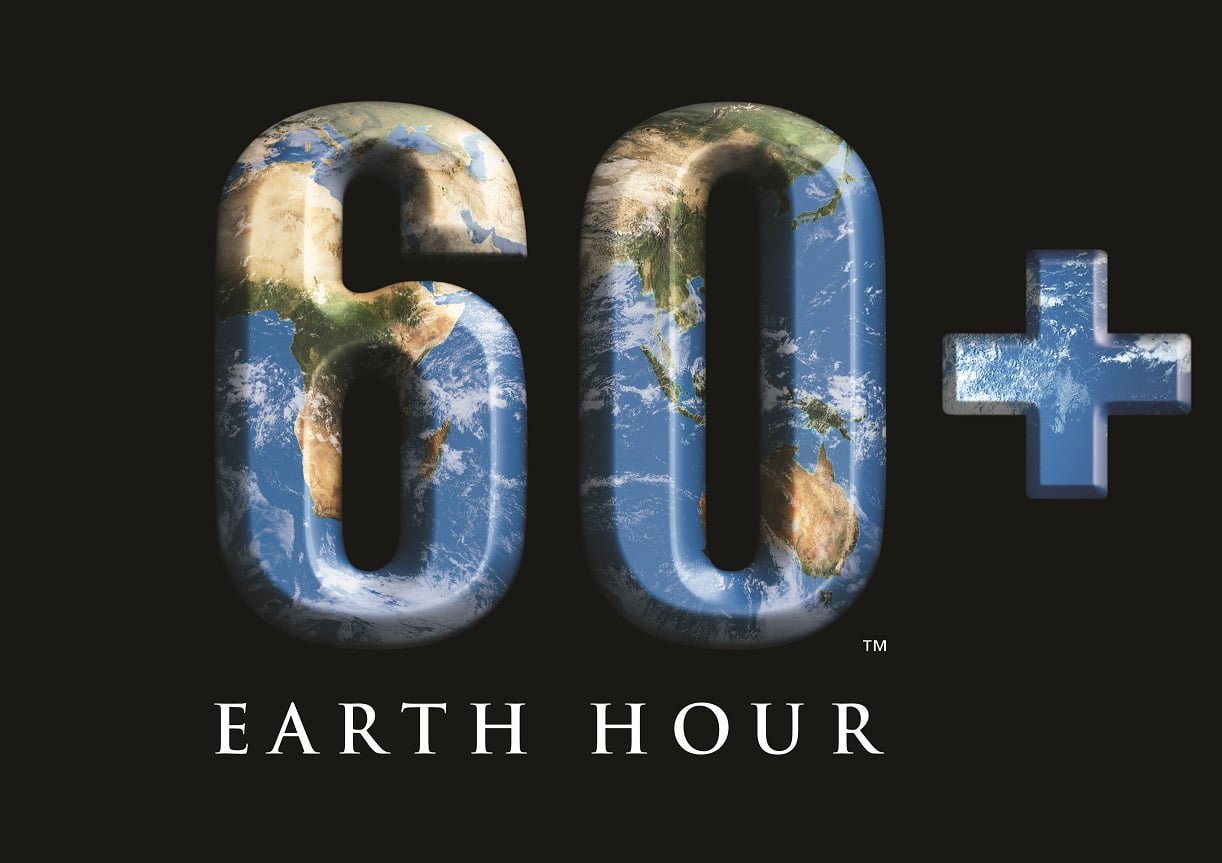
Earth Hour is a global benchmark day for the energy-saving movement, held on the last Saturday of March each year. Starting at 8:30 p.m. that evening, all lights in the home or office (and possibly more unnecessary power-consuming products) are turned off together for 60 minutes. This year’s (2015) Earth Hour day will be held on March 28 (Saturday).
This year’s Earth Hour slogan is “Change Climate Change”, focusing the event on the issue of climate change. This is also the original purpose of the World Wildlife Fund (WWF), which first organized this event.
Official website: “Earth Hour”
Currently, more than 170 countries and regions, 1,200 well-known landmarks, and nearly 40 UNESCO World Heritage sites have officially confirmed participation together with WWF, and will turn off all light sources between 8:30 p.m. and 9:30 p.m. in their respective local times.
In addition, apart from official units, whether you are an individual or a business, you can find the nearest related event on the “Tracker” page, or even register your personal or group information to participate in an event.
Among the personal information there is a country field. When I filled it in previously, I found they had added “Province of C.” after Taiwan. I sent them a fairly strongly worded letter demanding it be corrected to “Republic of China”—I don’t know whether they’ll change it though (shrug).
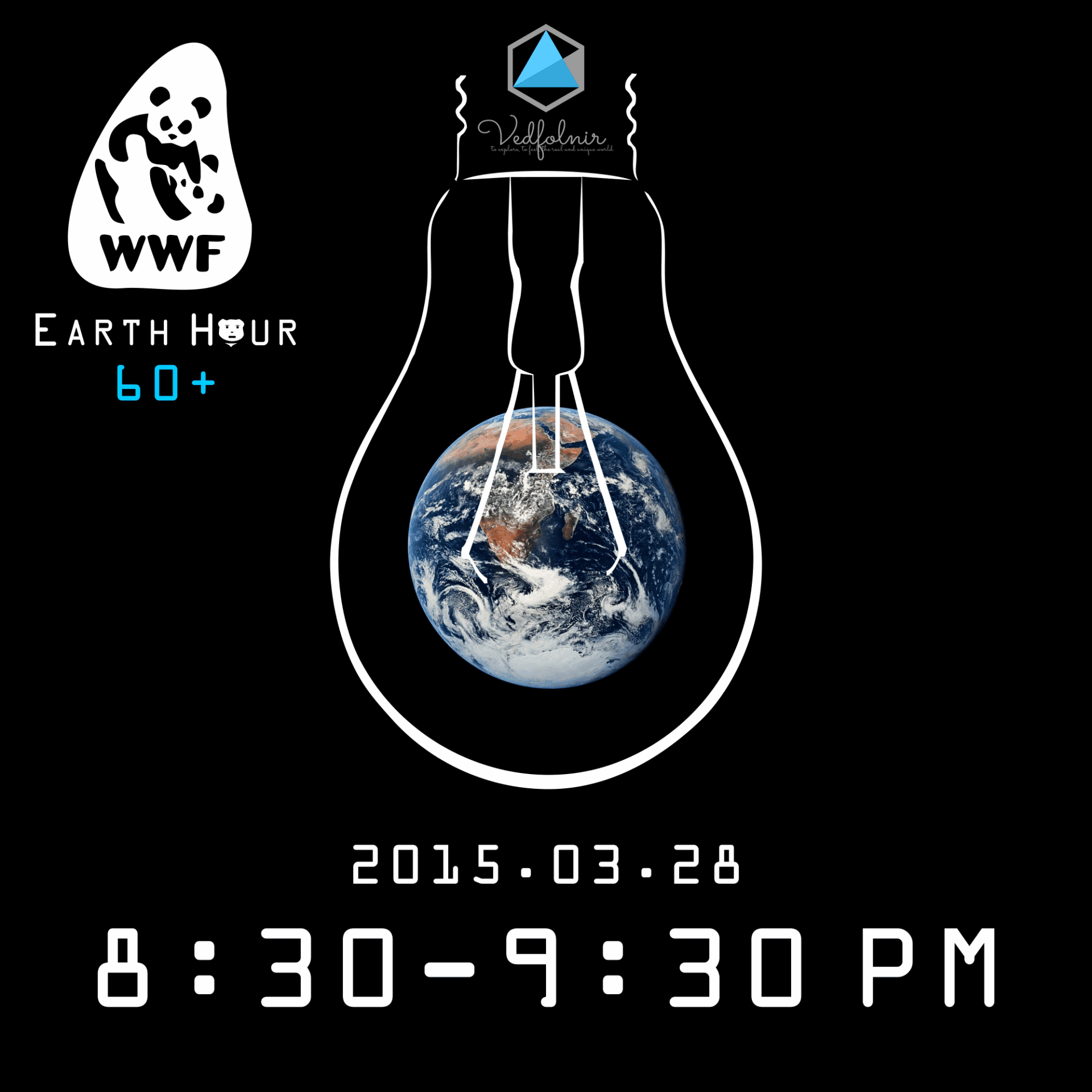 Earth Hour event poster design
The original and primary purpose of this event is to hope that people can proactively realize in their daily lives that just a simple power-management action on their part can achieve energy saving and even contribute to protecting the Earth’s environment.
Therefore, on the annual event day, through diverse event designs and the infectious power of the internet, media, and word-of-mouth marketing, discussion momentum is generated in communities of different scales, allowing people to proactively form an internalized awareness of energy saving, while attracting more groups and organizations to participate together, thereby expanding the event’s influence. And Earth Hour, under all kinds of conditions, is undoubtedly one of the rare, highly successful world-class events on a global scale.
WWF also raises funds for different projects through this event. Friends willing to sponsor can check the relevant details on the official website’s sponsorship page[2]. In fact, since WWF launched this event in Australia in 2007 in cooperation with the Sydney Morning Herald, the funds WWF has raised have been actually applied to numerous projects in countries such as the Philippines, India, Colombia, Uganda, Indonesia, the Great Barrier Reef, China, and Madagascar. (Mysterious voice: they should sell crystal panda figurines—they’d surely raise money easily to build temples.)
Support Independent Perspectives & In-Depth Insights
Every thoughtful analysis and candid critique comes from our dedication to truth and quality. We choose not to follow sensational algorithms or clickbait headlines.
Sustaining independent research requires reader support. Make a one-time or monthly contribution, securely processed by Google.
Payments secured by Google · Manage or cancel anytime in your Google Account



Comments